Multibillion-dollar contract secures ‘major step forward’ for GCAP fighter jet
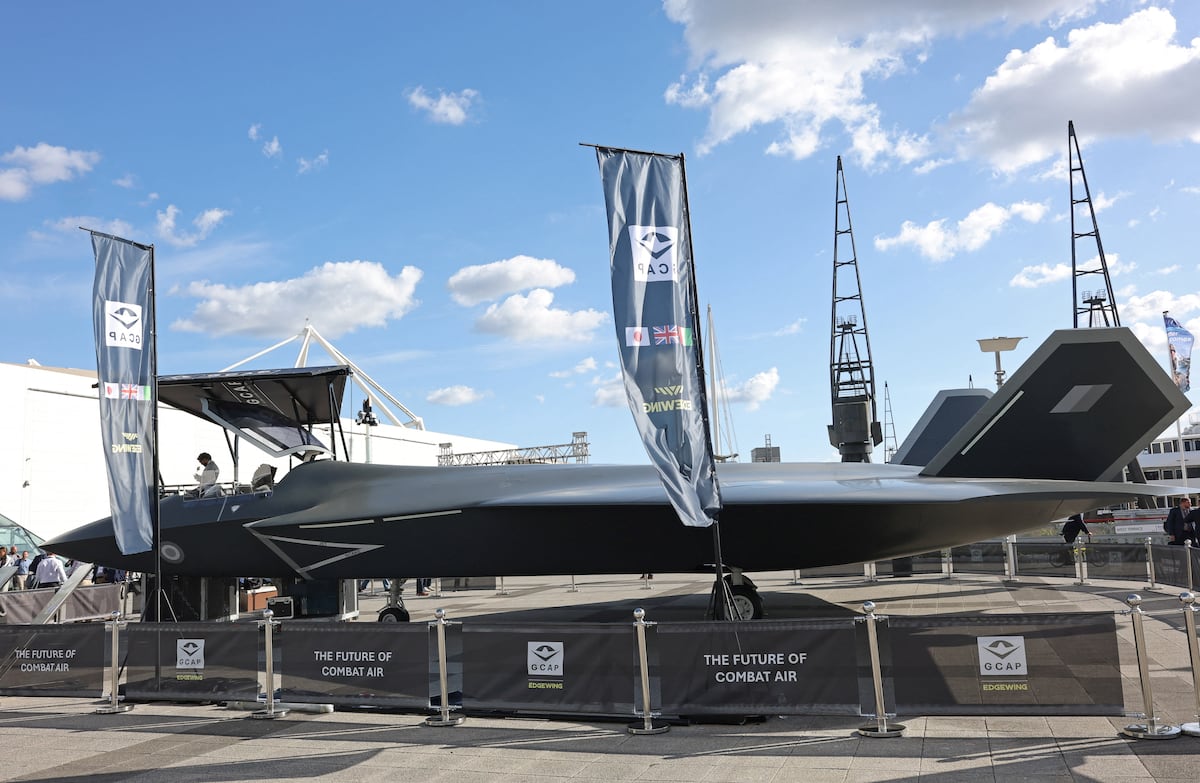
Japan, Italy, and the United Kingdom have finalized a £4.6 billion ($6.1 billion) development contract for the Global Combat Air Programme (GCAP), marking a pivotal phase in the creation of the sixth-generation fighter jet. The 18-month agreement was awarded to the Edgewing industrial consortium following the U.K.’s commitment of £8.6 billion in defense funding over the next four years. This milestone ensures the program remains on schedule for its 2035 delivery target while supporting thousands of skilled defense manufacturing jobs across the partner nations.
The £4.6 billion development contract awarded to the Edgewing consortium enables the completion of the advanced concept and assessment phase for the GCAP fighter, as well as the commencement of joint detailed design work. Edgewing serves as the primary industrial vehicle for the project, bringing together national aerospace leaders BAE Systems, Leonardo, and Japan Aircraft Industrial Enhancement Co. Ltd. (JAIEC). The signing of this 18-month contract follows a period of industrial anxiety where a £686 million stop-gap contract was utilized to maintain momentum until the U.K. government finalized its broader defense spending plans.
The contract was secured just days after the U.K. released its delayed Defence Investment Plan (DIP), which allocated £8.6 billion ($11.4 billion) to the fighter program over a four-year period. This funding level exceeded the £6 billion originally expected by industry analysts and partner nations. The delay in the DIP had previously caused significant diplomatic friction, with Japanese officials expressing concern over the project's timeline and the U.K.'s financial commitment to the 2035 delivery goal, which is viewed as a critical deadline for Japan’s national security requirements.
With the primary development contract now in place, Edgewing is expected to begin issuing secondary contracts to specialized tri-nation consortia that will manage the jet’s propulsion and electronics systems. U.K. Defense Procurement Minister Luke Pollard characterized the deal as a "major step forward," noting that the investment provides the Royal Air Force with necessary next-generation tools while stabilizing the defense industrial base. The program's progression into the detailed design phase is a strategic win for the involved contractors, signaling long-term stability for one of the world's most ambitious international defense collaborations.
Summary generated by RabbitReport AI from public reporting. The full article and original reporting belong to Defense News.