Property owner sues insurer and broker over $10,000 freeze-claim cap
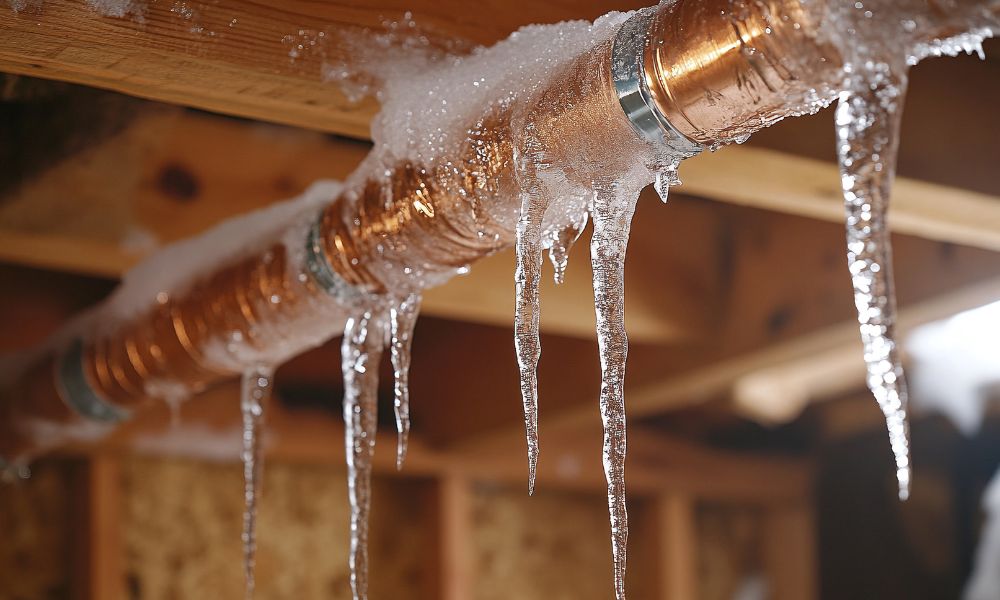
A Pennsylvania property owner has filed a lawsuit against Summit Specialty Insurance Company and its broker after a $157,000 burst-pipe claim resulted in a payout of only $10,000. The legal action centers on the application of a restrictive seasonal endorsement versus broader policy sublimits, raising significant questions about coverage interpretation for freeze-related losses. This case is particularly relevant for the property insurance sector as it examines the duty of brokers to disclose coverage changes during renewals and the enforceability of condition-based sublimits.
Under the Mountain LLC filed the lawsuit in the US District Court for the Eastern District of New York on July 3, 2026, naming Summit Specialty Insurance Company and brokers Integrated Brokerage Services (The IBS Group) and Alkeme as defendants. The dispute originated from a February 5, 2026, incident where a pipe burst in a generator room at a Kunkletown property, causing water damage to an adjacent barn and destroying personal property. While the owner documented total losses of $156,915.79, including mitigation and personal property costs, Summit’s adjuster valued the actual cash value of the loss at $17,286.55 before the insurer applied a strict $10,000 cap.
Summit justified the $10,000 payment by citing a Seasonal Safeguards Endorsement, which requires insureds to maintain heat at 60 degrees Fahrenheit or shut off the water supply between October and March. The insurer argued that this specific condition-based endorsement takes precedence over the policy's general $25,000 water damage sublimit. However, the property owner contends that the endorsement should not apply to the barn, which it argues is not part of the "residence premises," and that the $150,000 personal property limit should remain unaffected. The plaintiff also points out that the $10,000 cap is lower than Summit’s own adjuster's net claim calculation, supporting a claim of statutory bad faith.
The litigation also targets the insurance brokers for alleged negligence and breach of fiduciary duty regarding policy renewals. The complaint asserts that the restrictive Seasonal Safeguards Endorsement and water sublimits were added during the 2023-2024 and 2024-2025 cycles without the owner being notified of the reduced coverage. For the property insurance market, the case highlights the risks of "shrinking coverage" at renewal and the potential for brokers to be held liable under a duty-to-advise theory. The court's eventual ruling could establish a precedent for how overlapping and conflicting endorsements are prioritized in complex property claims.
Summary generated by RabbitReport AI from public reporting. The full article and original reporting belong to Insurance Business.