California Home Insurance Premiums Spike 84% as Wildfire Risk Grows, Stanford Researchers Say
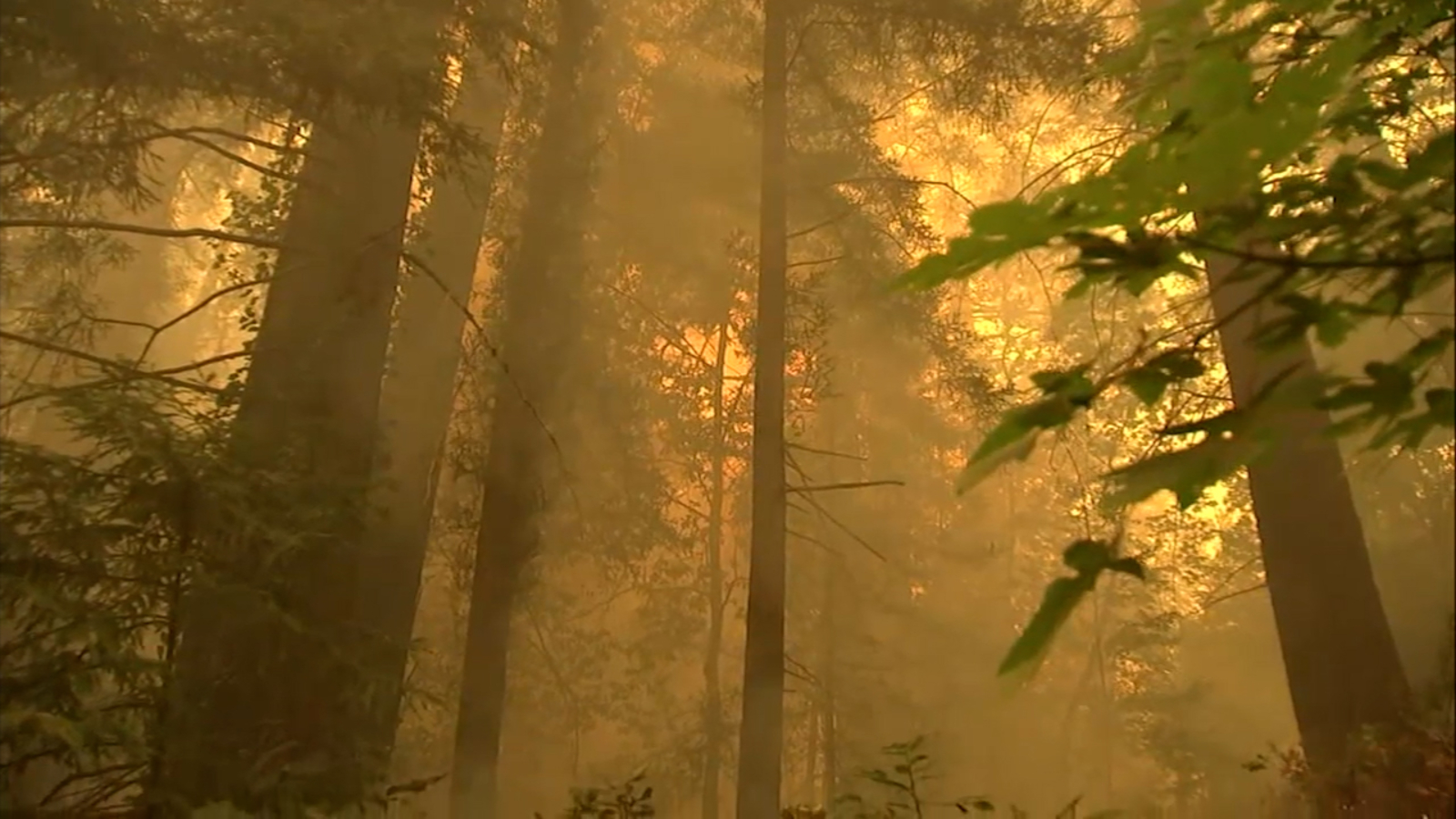
A new study from Stanford University reveals that average homeowners' insurance premiums in California have surged by 84% over the last five years, primarily driven by escalating wildfire risks. While approximately 80% of the state’s low-risk market remains stable, the high-risk segment is experiencing severe availability issues and a shift toward the state-mandated FAIR plan. This trend highlights a deepening crisis for the property insurance sector as insurers and regulators grapple with rising costs and the necessity of new risk-mitigation strategies.
Researchers at Stanford University, led by Michael Wara of the Woods Institute for the Environment, report that the 84% premium spike is concentrated in regions with high wildfire exposure. While the majority of the California market remains under control, roughly 10% to 20% of the state faces significant insurance availability problems. This volatility has forced an increasing number of homeowners into the FAIR plan, California’s insurer of last resort, which offers more expensive and barebones coverage. The study notes that the percentage of new mortgages backed by FAIR plan coverage has quadrupled to 5%, creating a significant financial barrier for new homebuyers trying to enter the market.
To address these market pressures, the Newsom administration has introduced reforms allowing insurers to utilize advanced risk modeling, a move that is slowly beginning to influence the sector. However, Stanford researchers argue that policy changes must be accompanied by massive investments in physical risk reduction. Marshall Burke, another Stanford researcher, emphasizes the effectiveness of prescribed burns in preventing extreme wildfires from reaching populated areas. His research suggests that controlled burns can reduce extreme wildfire likelihood for over a decade, though the state is currently only meeting about one-fifth of its 500,000-acre annual prescribed burn goal.
Beyond land management, the study recommends increased funding for fire-hardening homes in high-risk zones to mitigate potential losses. These recommendations represent a set of policy actions that require substantial funding but are framed as essential to preventing billions of dollars in future wildfire-related insurance claims. For the property insurance industry, these findings underscore the urgent need for a multi-faceted approach combining updated actuarial models with aggressive state-led mitigation efforts to stabilize the market and ensure long-term viability in fire-prone regions.
Summary generated by RabbitReport AI from public reporting. The full article and original reporting belong to ABC7 Bay Area.