California Homeowners Insurance Costs Still 41% Below National Average, Report Shows
A new report from LendingTree reveals that California homeowners pay an average of $1,413 annually for insurance, which remains 41% below the national average of $2,395 despite significant recent rate hikes. While the state has seen a 53.7% increase in premiums since 2020, it still ranks significantly lower than high-cost states like Oklahoma and Nebraska. This pricing dynamic is critical for the property insurance sector as it grapples with massive losses from the January 2025 Los Angeles wildfires and subsequent regulatory reforms designed to stabilize the market.
According to the LendingTree State of Home Insurance: 2026 report, California’s average annual premium of $1,413 stands in stark contrast to the national average of $2,395. Nationally, homeowners insurance rates rose by a cumulative 46.8% between 2020 and 2025, with annual increases peaking at 12.7% in 2024 before easing slightly in 2025. While California's costs are lower than the average, other states have seen much more dramatic surges; for instance, Colorado experienced a 100.8% increase over the same period, reaching an average rate of $4,310. Oklahoma currently holds the highest average rate in the country at $5,298, followed by Nebraska at $4,956, while Hawaii remains the lowest at $801.
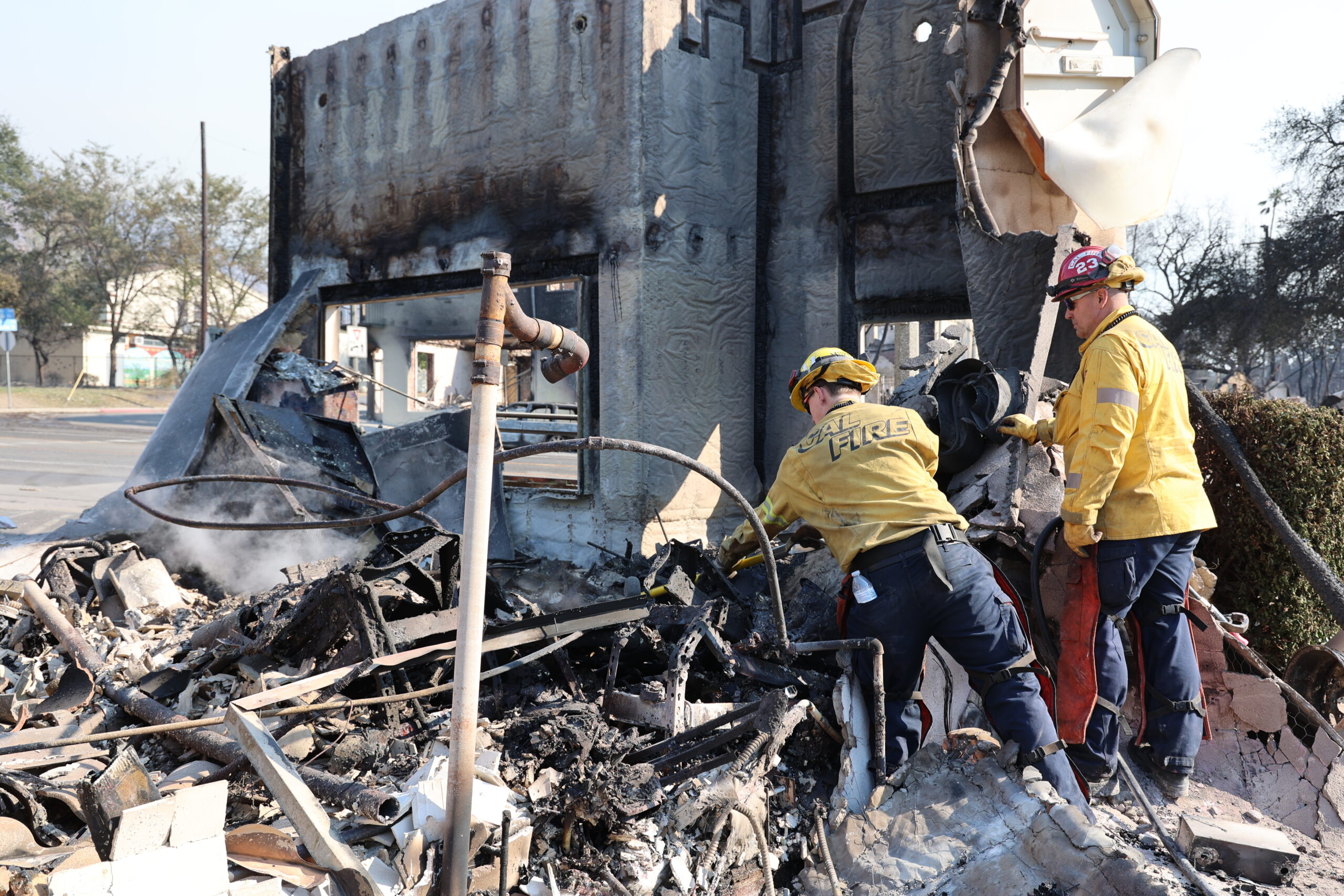
The report attributes the nationwide climb in rates to a combination of severe weather losses and rising costs for labor, materials, and repairs. In California, the property insurance crisis reached a critical point following the January 2025 Los Angeles wildfires, including the Eaton and Palisades fires, which are now ranked as the second and third most destructive in state history. The California Department of Insurance reports that insurers have paid out more than $23.7 billion to residential, commercial, and auto policyholders due to these fires. These events served as a tipping point, as 14 of the 20 most destructive wildfires in the state have occurred within the last decade, costing several large carriers more than $1 billion each.
In response to the volatility, California regulators have implemented the Sustainable Insurance Strategy, which includes measures such as enabling quicker rate request reviews and allowing the use of forward-looking catastrophe modeling. These regulatory shifts have encouraged some major carriers to resume or expand their business in the state after previously pulling back. The Travelers Companies announced plans to expand its offerings, while Farmers Insurance recently eliminated a cap on the number of new policies it will issue. Additionally, CSAA Mercury Insurance received approval for a 6.9% rate hike in exchange for expanding coverage in wildfire-prone regions, signaling a cautious return to market stability for the property insurance sector.
Summary generated by RabbitReport AI from public reporting. The full article and original reporting belong to Insurance Journal.