As wildfires burn across Colorado, here’s an updated insurance breakdown for homeowners
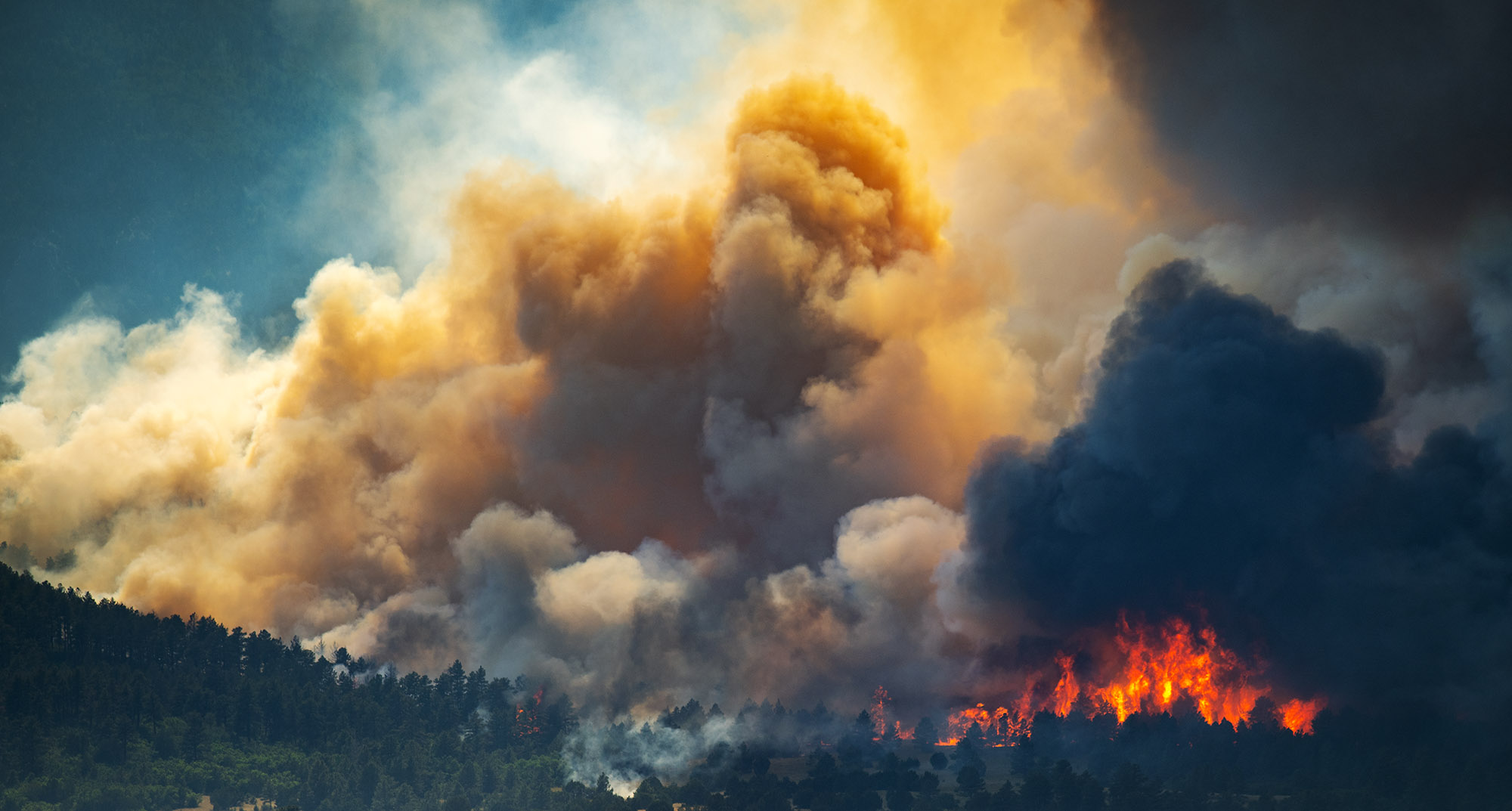
Multiple wildfires across western and southern Colorado have triggered disaster declarations and destroyed hundreds of structures, placing the state's property insurance market under intense scrutiny. State regulators and industry experts are highlighting recent legislative changes designed to increase transparency and expedite claims, even as homeowners face significant affordability challenges. These developments are critical for the sector as insurers implement moratoriums on new coverage in high-risk zones and adjust premiums in response to escalating natural disaster risks.
The Aspen Acres wildfire, which has consumed over 50,000 acres and destroyed approximately 275 homes in Pueblo and Custer counties, is one of several active blazes including the Snyder, Gold Mountain, and Ferris fires. In response to the immediate threat, many insurers—including Colorado’s FAIR plan, the state's insurer of last resort—have implemented moratoriums on writing new policies for properties within specific distances of active fire lines. Independent agents like Emily Trujillo report that carriers are increasingly utilizing advanced aerial imagery and zip-code-based data to assess risk and determine eligibility, often refusing coverage for homes near active burn zones or those lacking proximity to fire stations.
To address consumer protection, Colorado has enacted several laws since the 2021 Marshall fire that significantly alter the claims process. House Bill 111 requires insurers to pay 65% of covered contents without an itemized list if a home is lost in a governor-declared disaster, while House Bill 1322 mandates that carriers provide policy copies within three days of a request. Furthermore, House Bill 1182 requires insurers to provide plain-language explanations of the wildfire risk scores used to set premiums. Division of Insurance Commissioner Michael Conway noted that while these laws provide transparency, the state still faces a severe affordability crisis, with average premiums rising from approximately $2,600 in late 2023 to an estimated $4,000 by the end of 2025.
Beyond the immediate fire damage, the Colorado Division of Insurance is warning homeowners about the secondary threat of flooding and mudflows in burn scars, which are typically excluded from standard property policies. Carole Walker, executive director of the Rocky Mountain Insurance Information Association, emphasized the importance of carrier outreach to ensure residents understand their coverage limits and evacuation benefits, such as temporary housing and living expense reimbursements. As Colorado’s property insurance costs become some of the highest in the nation, the industry is balancing the need for sophisticated risk modeling with the reality that many residents are reducing coverage levels to maintain affordability in a high-risk environment.
Summary generated by RabbitReport AI from public reporting. The full article and original reporting belong to The Colorado Sun.