Trump Takes Credit for Steepest Prescription Drug Price Decline in Over 60 Years
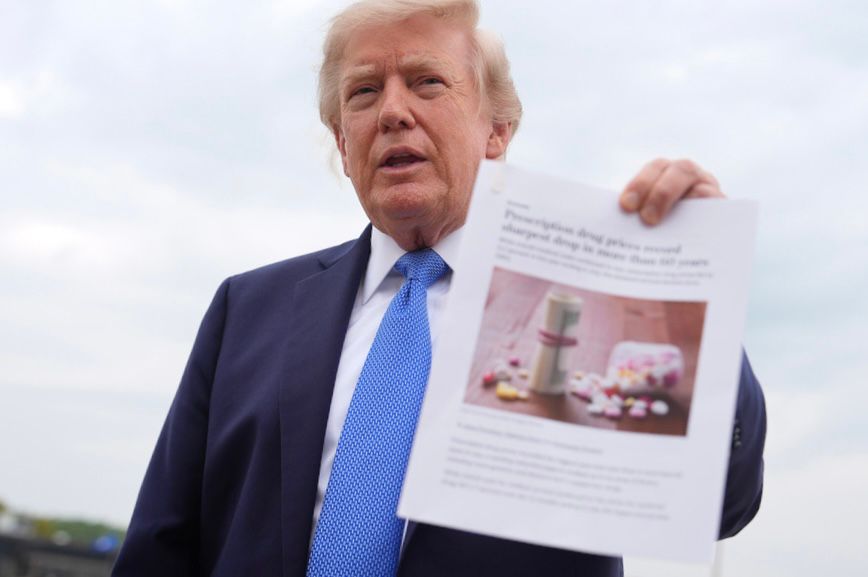
Recent data from the Bureau of Labor Statistics reveals that year-over-year prescription drug prices fell by 3.1% in July, marking the most significant decline in more than six decades. President Donald Trump has claimed credit for the drop, attributing it to administration agreements with pharmaceutical firms and the launch of the TrumpRX direct-to-consumer platform. This development is critical for the pharmaceutical sector as it highlights the intersection of federal policy, market competition, and shifting cost structures for consumers.
The Bureau of Labor Statistics reported a 3.1% year-over-year decrease in prescription drug prices for July, a figure that President Donald Trump highlighted as a major victory for his administration's healthcare agenda. Speaking at Joint Base Andrews, Trump pointed to the decline as evidence that his policies are effectively lowering costs for Americans. The White House specifically identified two drivers for this trend: new negotiated agreements between the executive branch and drug manufacturers to lower specific prescription costs, and the introduction of TrumpRX, a site designed for direct-to-consumer drug purchases.
Industry experts suggest the price drop is the result of a complex mix of factors rather than a single administration's actions. Cynthia Cox of the health policy research organization KFF noted that while Trump’s policies played a role, the Inflation Reduction Act signed by President Joe Biden in 2022 is also exerting downward pressure as its provisions for Medicare price negotiations begin to take effect. Additionally, market dynamics have contributed to the shift, particularly significant price reductions for the widely used class of weight-loss medications known as GLP-1s, which have faced increased market pressure.
Despite the decline in consumer costs, analysts warn that the underlying economics for drug manufacturers remain unchanged. Richard Frank of the Brookings Institution clarified that the BLS data tracks out-of-pocket costs for patients rather than the wholesale prices set by manufacturers, which actually saw a slight increase last month. This discrepancy suggests that insurance companies are currently absorbing the price gap, a situation that Frank warns could lead to higher insurance premiums in the future as payers look to recoup these costs.
Summary generated by RabbitReport AI from public reporting. The full article and original reporting belong to spectrumlocalnews.com.