SpaceX, Hormuz, and the energy valuation gap
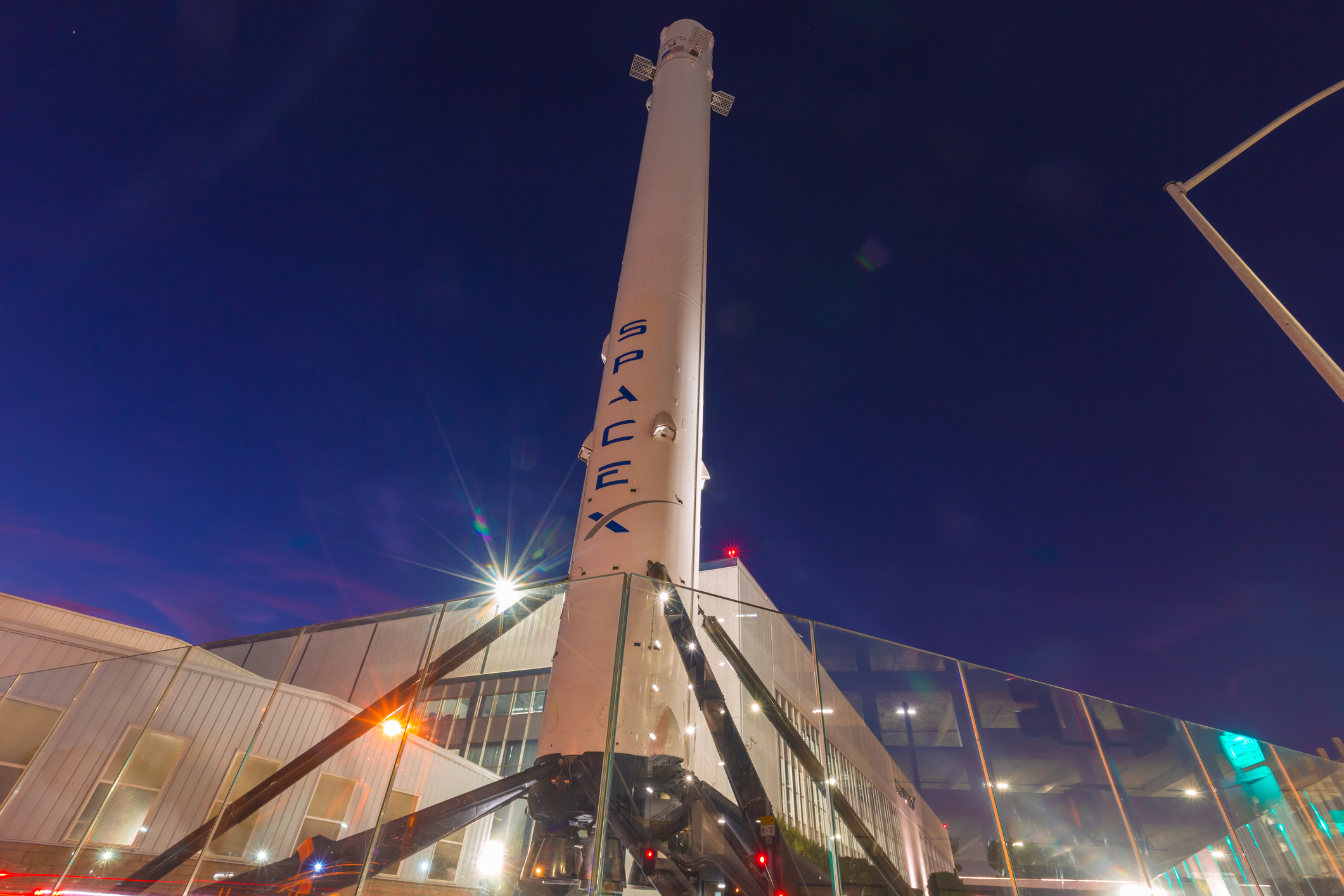
The global financial market is currently experiencing a significant valuation disconnect between speculative technology ventures and the foundational energy sector, exemplified by the anticipated $1.75 trillion IPO of SpaceX. While investors are assigning premium multiples to the unprofitable aerospace firm based on future growth potential, traditional oil and gas companies continue to trade at modest cash-flow multiples despite generating billions in annual profits. This disparity is increasingly stark as geopolitical tensions in the Strait of Hormuz threaten global supply security, highlighting the critical role of hydrocarbons in supporting the modern economy.
The financial markets are preparing for what is expected to be the largest IPO in history, valuing SpaceX at approximately $1.75 trillion. Despite the company remaining unprofitable and trading at valuation multiples rarely seen in public markets, investors are drawn to its transformation of space launch economics and its Starlink satellite communications business. SpaceX is positioned at the intersection of aerospace, artificial intelligence, and national security, leading investors to price the company based on its potential decades from now rather than its current earnings. This stands in sharp contrast to the energy sector, where companies producing the raw materials for global industry are often discounted as cyclical businesses despite their consistent cash generation.
The valuation gap is particularly notable given the ongoing volatility in the Strait of Hormuz, the world’s most vital energy chokepoint. Normal operations see roughly one-fifth of global oil and liquefied natural gas (LNG) trade pass through the narrow waterway, but recent disruptions have significantly reduced flows and increased shipping costs. Analysts warn that prolonged instability could result in one of the largest energy supply shocks in decades, with millions of barrels per day already removed or delayed due to conflict and infrastructure attacks. These events have forced global governments to rethink supply security, yet the market continues to favor aspirational technology over the industries that underpin transportation, manufacturing, and petrochemicals.
Industry experts suggest the market often prices aspiration more enthusiastically than necessity, favoring the imagination-capturing potential of space exploration and AI over the physical infrastructure of oil fields and LNG terminals. However, the source notes that even the most highly valued technologies remain entirely dependent on the energy sector; every satellite launch requires fuel, and every AI data center requires massive amounts of electricity. The current crisis in Hormuz has exposed the lack of redundancy in the global energy system, reminding the market that when flows are interrupted, the foundation of nearly every other economic sector is at risk. This dependency suggests that the current valuation gap may underestimate the long-term indispensability of natural resources.
Summary generated by RabbitReport AI from public reporting. The full article and original reporting belong to Oil & Gas 360.