America’s oil safety net is wearing thin
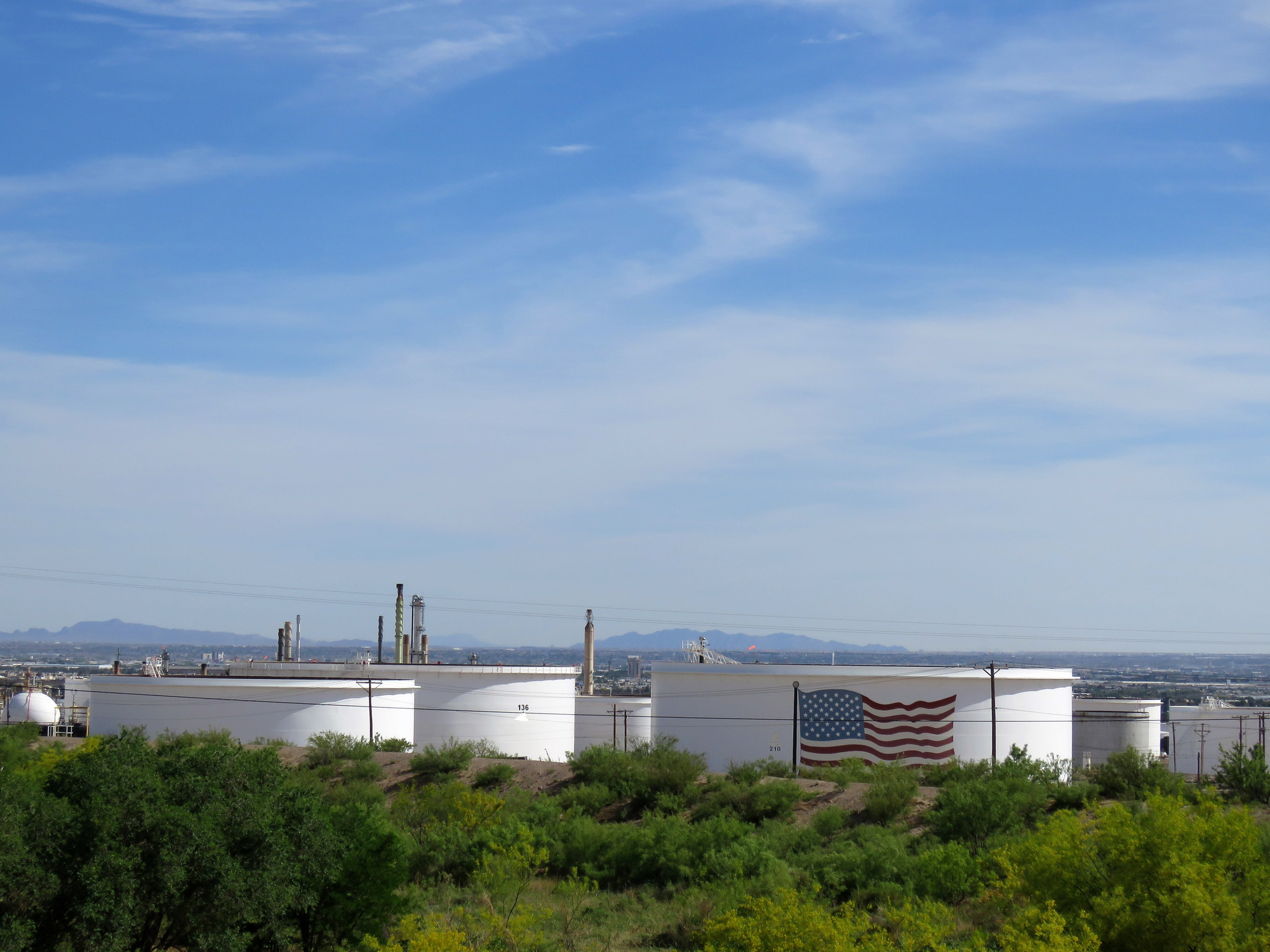
The U.S. Strategic Petroleum Reserve (SPR) has fallen to approximately 316.5 million barrels, its lowest level since 1983, following coordinated releases intended to stabilize markets during the Iran conflict. This decline leaves the reserve at less than half of its authorized capacity and marks a significant shift in the nation's energy buffer as total crude inventories hit 40-year lows. For the Oil & Gas sector, the situation highlights a transition from using emergency supplies to a period of structural demand as the government begins the multi-year process of replenishing these critical stockpiles.
Following a series of coordinated releases tied to the Iran conflict and broader market stabilization efforts, the U.S. Strategic Petroleum Reserve (SPR) currently holds about 316.5 million barrels. This volume represents less than half of the reserve's authorized capacity of over 700 million barrels and is the lowest level recorded since 1983. Total U.S. crude inventories, combining both commercial stocks and the SPR, have similarly dropped to levels not seen in more than four decades, raising concerns among critics about heightened geopolitical risk and market volatility.
During the recent Iran conflict, the SPR served as a vital tool for injecting immediate volumes into the market when shipping through the Strait of Hormuz slowed and insurance premiums surged. These emergency drawdowns helped mitigate fuel price spikes and inflationary pressures while producers and supply chains adjusted to the disruption. While the U.S. is now the world’s largest oil producer and exporter—a major shift from its import-dependent status in the 1980s—the reserve remains essential because oil is a globally traded commodity where international disruptions still dictate domestic prices.
The process of replenishing the SPR is expected to transform yesterday’s emergency supply into tomorrow’s structural demand, potentially adding over 500,000 barrels per day of incremental demand to the global market. This government buying program could provide a long-term floor for crude prices, balancing out potential oversupply as shipping routes normalize. However, the reserve faces internal challenges, as repeated drawdowns and deferred maintenance have aged the infrastructure, reducing withdrawal capacity and necessitating significant modernization and repairs across the Gulf Coast salt cavern system.
Summary generated by RabbitReport AI from public reporting. The full article and original reporting belong to Oil & Gas 360.