U.S. Marine Biofuel Hopes Build Despite Uncertain Global Market
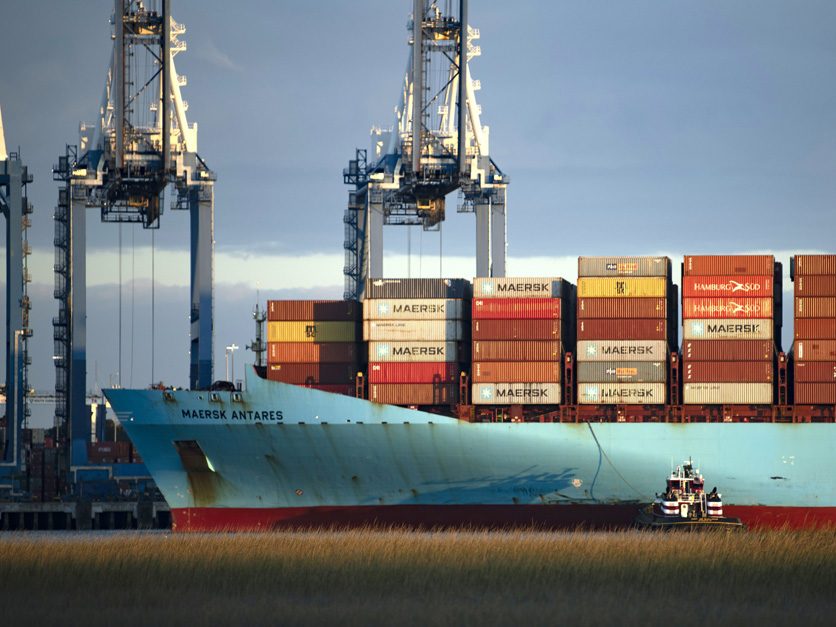
U.S. maritime and agricultural stakeholders are pushing for a greater share of the global shipping fuel market as the International Maritime Organization (IMO) moves forward with emission reduction strategies. The initiative seeks to utilize domestic corn and soybean surpluses to produce ethanol, renewable diesel, and bioLNG for international vessels. Securing this market is viewed as essential for maintaining U.S. energy influence and supporting domestic farmers amid increasing international competition and shifting global demand.
Industry experts warn that the United States must engage with the global maritime fuel transition or risk being excluded from a significant market opportunity. Ben Kruger, COO for Roeslein Renewables, highlighted that U.S. farmers are facing increased export competition from Brazil and changing food consumption patterns, making the maritime sector a critical new demand source. Potential fuel solutions include corn-based ethanol, soybean-heavy renewable diesel, and bioLNG derived from manure or landfill gas. RFA CEO Geoff Cooper estimated that if ethanol captured just 5% of the maritime market, it would create demand for 5 billion gallons of fuel and 1.5 billion bushels of corn.
On the international stage, the IMO’s Marine Environment Protection Committee is working to establish a global shipping emission strategy. While Secretary-General Arsenio Dominguez indicated that Net-Zero Framework (NZF) negotiations are progressing, there is still significant disagreement among delegations regarding policy amendments and alternative options. Domestically, the American Biofuels Maritime Initiative has been launched to work with federal leadership to establish policies that favor American-made energy. This initiative aims to secure U.S. dominance in the international shipping sector despite ongoing political debates regarding the specifics of the NZF.
To support this transition, the U.S. soybean industry has already undergone a multi-billion-dollar expansion, increasing domestic crush capacity by 20% over the last three years with 12 new plants coming online. Devin Mogler of the National Oilseed Processors Association noted that soybean exports have dropped from 60% to 40% of production as more is processed domestically. However, leaders from the Clean Fuels Alliance America and other groups stress that for these fuels to be viable, marine producers and blenders must be integrated into the Renewable Fuel Standard (RFS) program. Access to biomass-based diesel credits, or D4 RINs, is considered a necessary incentive to drive the adoption of biofuels within the maritime marketplace.
Summary generated by RabbitReport AI from public reporting. The full article and original reporting belong to Agri-Pulse.