2026 Manufacturing Industry Outlook: Navigating Trade Uncertainty with Smart Technology and Agentic AI
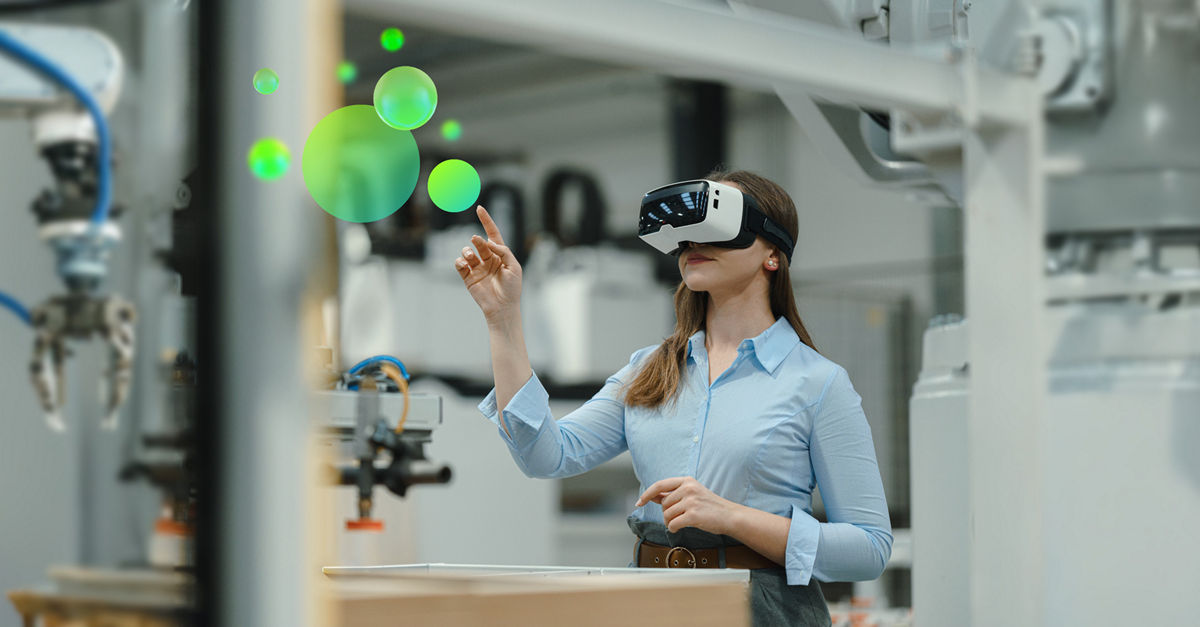
Following a year of economic contraction and trade policy uncertainty in 2025, the U.S. manufacturing sector is preparing for a potential recovery in 2026 driven by legislative tax incentives and emerging technologies. While the industry faced declining construction spending and rising costs, the passage of the One Big Beautiful Bill Act and new trade agreements with partners like the United Kingdom offer a path toward renewed growth. This shift is critical for the Industry 4.0 sector as manufacturers increasingly pivot toward agentic AI and physical robotics to enhance resilience and operational agility.
The U.S. manufacturing sector struggled through 2025, characterized by an Institute for Supply Management purchasing managers’ index that signaled contraction for much of the year. According to Deloitte research led by experts like Steve Shepley and John Morehouse, these headwinds were largely fueled by trade policy uncertainty and tariffs, which more than 75% of manufacturers cited as their primary concern. However, the outlook for 2026 is bolstered by the One Big Beautiful Bill Act, which introduces tax provisions designed to lower costs and stimulate facility investments. Additionally, interest rate cuts and finalized trade deals with nations such as Vietnam and the UK are expected to reignite demand and provide the stability needed for long-term planning.
Investment in Industry 4.0 technologies remains a top priority, with a 2025 Deloitte survey of 600 executives revealing that 80% intend to allocate at least 20% of their improvement budgets to smart manufacturing initiatives. These investments focus on foundational tools like automation hardware, sensors, and cloud computing, which are viewed as essential drivers of competitiveness and productivity. The report also highlights the rise of agentic AI, which moves beyond simple automation to reason and take autonomous action across production and back-office functions. This technology is expected to accelerate the transition from pilot programs to full-scale implementation throughout 2026.
The integration of physical AI, including humanoid robots and robotic dogs capable of navigating unstructured production floors, is set to more than double from 9% to 22% of manufacturers by 2027. These autonomous systems are being deployed to handle complex tasks such as transporting and installing parts, further insulating operations from labor fluctuations. Despite these advancements, supply chain volatility persists, with manufacturers anticipating a 5.4% increase in input costs over the coming year. To mitigate these risks, companies are reevaluating supply chain structures and leveraging digital technologies to manage the ongoing renegotiation of the United States–Mexico–Canada Agreement (USMCA).
Summary generated by RabbitReport AI from public reporting. The full article and original reporting belong to Deloitte.