Social Media Influencer Ordered to Pay £213,000 to LVMH and Dior Over Counterfeit Sales
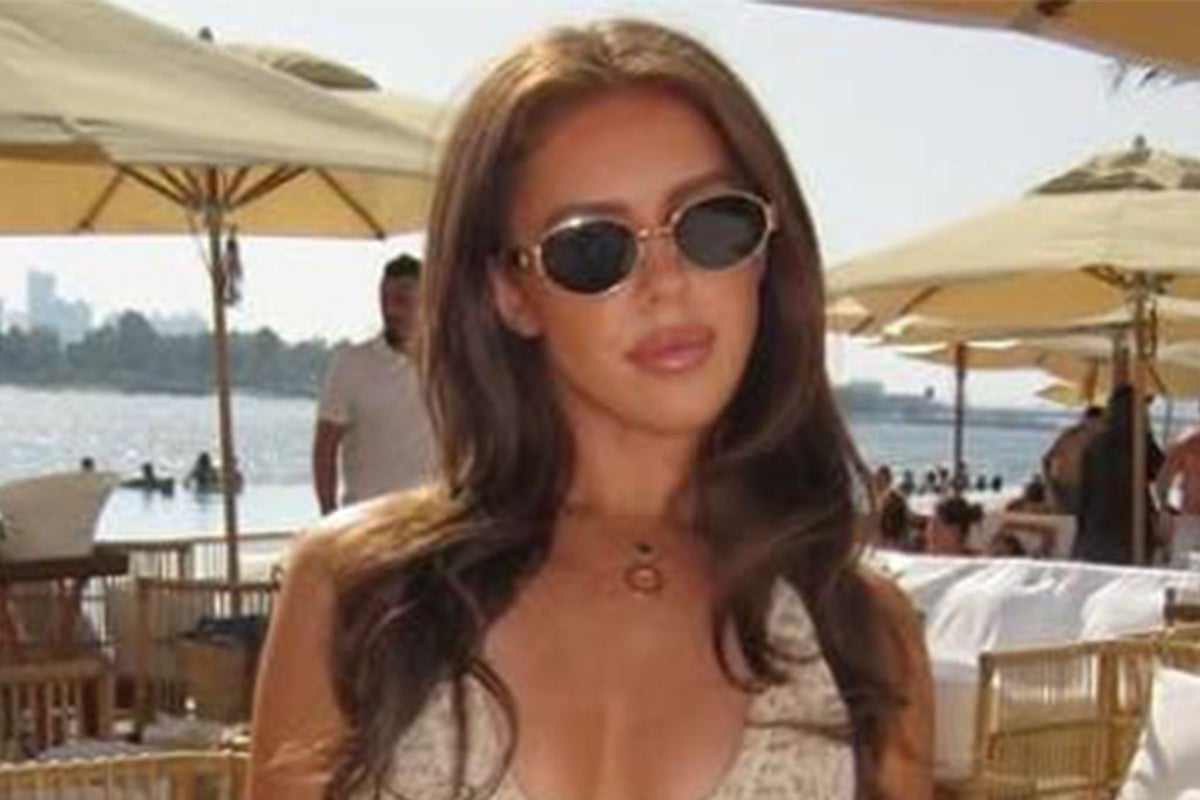
A UK-based social media influencer has been ordered by the High Court to pay £213,000 in damages to luxury conglomerates including LVMH, Fendi, and Christian Dior. Georgia Aldridge was found to have operated a secret dropshipping business that sold counterfeit designer goods, leveraging her online marketing presence to facilitate the illicit trade. This ruling underscores the luxury industry's aggressive legal stance against the rising 'superfake' market and establishes significant financial consequences for influencers who exploit brand trademarks.
Georgia Aldridge, an influencer with over 32,000 Instagram followers and owner of Sloane House Marketing, faced legal action from Fendi Italia Srl, Christian Dior Couture S.A., and their parent company, LVMH Moët Hennessy Louis-Vuitton SE. The High Court heard that Aldridge and her company, Rolo Fashion Ltd, engaged in trademark infringement by selling counterfeit luxury items sourced from the Chinese marketplace Ali Express. The illicit operation, which was halted 18 months ago following a freezing injunction, utilized a dedicated WhatsApp group to distribute fake designer goods to customers under the guise of a side hustle.
Judge Richard Hacon awarded the fashion houses a total of £213,000 after a default judgment was granted in January 2025. The damages were calculated based on two primary categories: lost sales of genuine products and lost licensing revenue. The court determined that Aldridge’s sale of high-quality 'superfakes'—often marketed in online communities as '1 to 1' or 'mirror quality'—resulted in 713 lost sales of authentic items. Using an estimated profit of £280 per item, the judge awarded £200,000 for this loss, while an additional £13,000 was granted to cover licensing fees for over 4,000 transactions involving lower-quality counterfeits that did not directly displace a genuine sale.
Nicolas Lambert, the head of online brand protection at LVMH, provided critical testimony regarding the nature of the 'dupe' market, explaining that high-quality counterfeits are specifically designed to deceive the public through high attention to detail. While the judge accepted the financial losses, he notably rejected the brands' claims for additional reputational damage. Judge Hacon argued that there was no evidential basis to prove the sales harmed the reputation of the trademarks, suggesting that purchasers likely understood they were dealing with counterfeiters rather than being deceived into thinking the products were sourced directly from the luxury houses.
Summary generated by RabbitReport AI from public reporting. The full article and original reporting belong to The Independent.