U.S. Clinical Trial Supply and Logistics Market Size to Hit USD 3.13 Billion by 2035
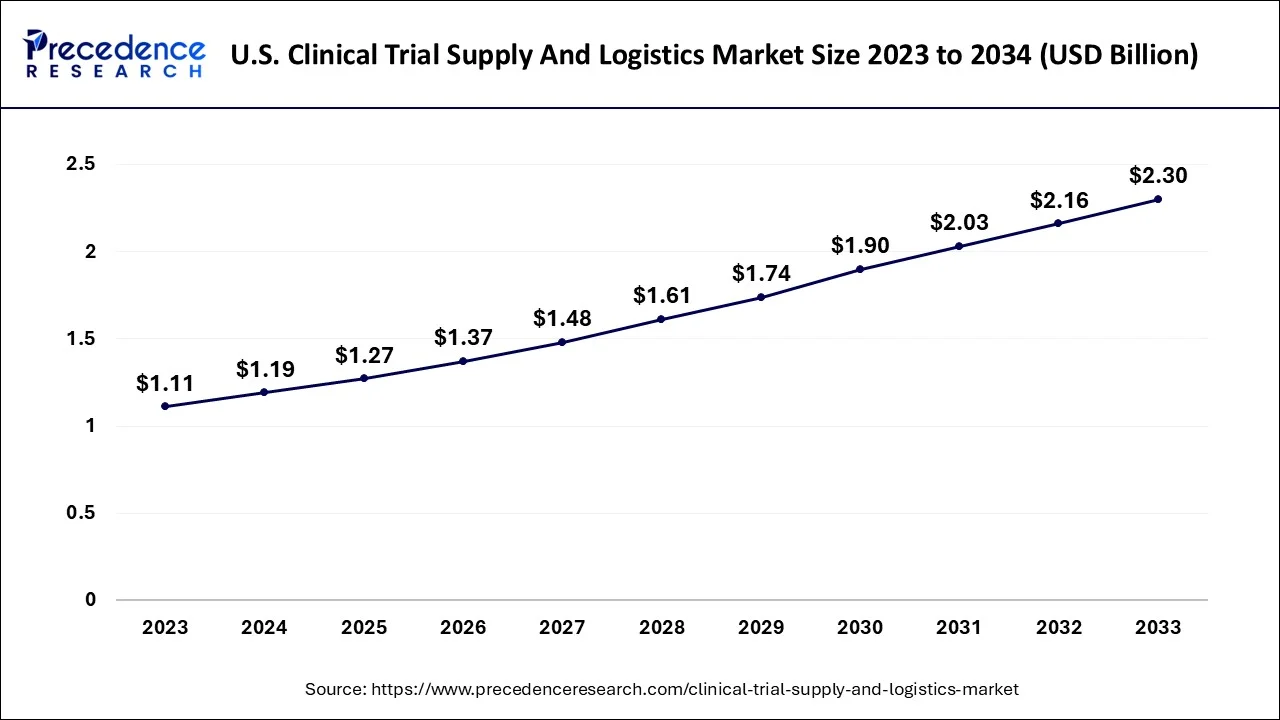
The U.S. clinical trial supply and logistics market is projected to grow from USD 1.54 billion in 2025 to approximately USD 3.13 billion by 2035, representing a compound annual growth rate of 7.35%. This growth is primarily driven by the increasing complexity of clinical trials and a rising demand for biologics and personalized medicine that require specialized, temperature-controlled distribution. For the logistics and supply chain sector, these trends necessitate enhanced infrastructure and the adoption of decentralized trial models to maintain drug integrity across diverse locations.
The U.S. clinical trial supply and logistics market is undergoing a significant transformation, with the logistics and distribution segment holding the largest market share as of 2025. This dominance is supported by increased government investment in road infrastructure and strategic partnerships between pharmaceutical brands and regional distributors to reach isolated trial sites. However, the industry faces headwinds from rising diesel prices, which have significantly increased the cost of cold-chain logistics services, prompting a greater need for efficiency and well-organized supply chain management.
Technology is playing a pivotal role in overcoming these challenges, with artificial intelligence and machine learning shifting supply chains from manual to automated processes. These tools are being utilized to monitor the expiry dates of investigational products and adjust distribution routes to minimize costs and prevent patient-dosing risks. Additionally, the emergence of cryogenic logistics, which provides ultra-low temperature control below -150 degrees Celsius, is creating new opportunities for the transport of highly sensitive biological and pharmaceutical products.
From a trial phase perspective, Phase III trials led the market in 2025 due to their large-scale requirements for regulatory approval, while Phase II is expected to grow at the highest CAGR through 2035. The manufacturing segment is also seeing rapid growth as companies outsource the production of specialized materials for cell and gene therapies to ensure scalability and regulatory compliance. Supporting these developments, the U.S. government, through the National Institutes of Health and agencies like ARPA-H, is providing federal funding and modernizing regulations to ensure supply chain resilience and expand patient access to precision therapies.
Summary generated by RabbitReport AI from public reporting. The full article and original reporting belong to Precedence Research.