Global supply chain shifts boost prospects for logistics industry
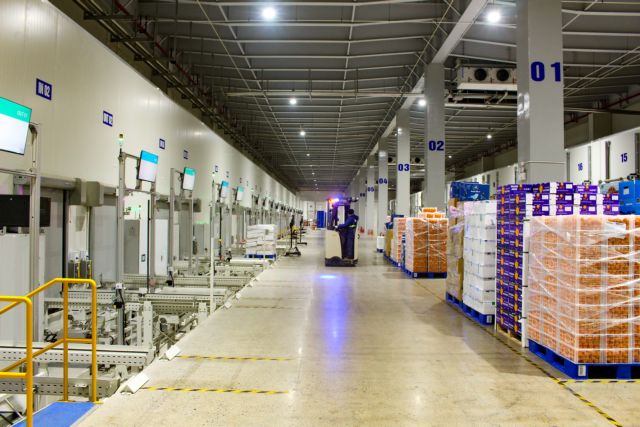
Vietnam is positioning itself as a primary beneficiary of global supply chain diversification as manufacturers seek to enhance resilience against geopolitical and economic disruptions. The government has launched a strategic development plan for 2025-2035 aimed at reducing logistics costs from 17% to 12-15% of GDP while increasing the sector's contribution to national output. This transition is critical for the logistics and supply chain sector as the country evolves from a simple manufacturing base into a regional hub for transit and distribution.
Deputy Industry and Trade Minister Phan Thị Thắng highlighted that geopolitical tensions and the transition to lower-carbon economies are reshaping international trade, allowing Vietnam to leverage its strategic location and network of free trade agreements. Despite global uncertainty, Vietnam's trade maintained growth in the first half of 2026, prompting a government strategy to achieve 12-15% annual growth in the logistics sector. The goal is to raise the industry's value-added contribution to 5-7% of GDP by 2035, focusing on improving competitiveness for exporters by lowering the current high cost of logistics.
Industry leaders from Cushman & Wakefield and DHL report a surge in demand for modern logistics facilities, particularly from the electronics, automotive, and high-tech sectors. Nguyễn Phước Thuận of Cushman & Wakefield noted that investment is increasingly concentrated near seaports, airports, and major manufacturing clusters as Vietnam transitions into a regional distribution hub. Steve Walker, CEO of DHL Supply Chain’s Thailand–Vietnam Cluster, emphasized that businesses are now prioritizing automation-ready warehouses and integrated distribution networks over mere production capacity to ensure faster and more resilient supply chains.
According to the DHL Global Connectedness Report 2026, Vietnam ranks ninth globally in trade connectedness and is expected to see the world's fourth-largest increase in merchandise trade through 2030. However, Maersk Group's Nguyễn Thị Thu Hằng warned that long-term success depends on creating an integrated logistics ecosystem that connects seaports, airports, and digital customs systems. To maintain its competitive edge, the industry must address infrastructure gaps, labor shortages, and the need for green logistics regulations and financial incentives for smart infrastructure.
Summary generated by RabbitReport AI from public reporting. The full article and original reporting belong to vietnamnews.vn.