Five Trends Shaping Healthcare in 2026
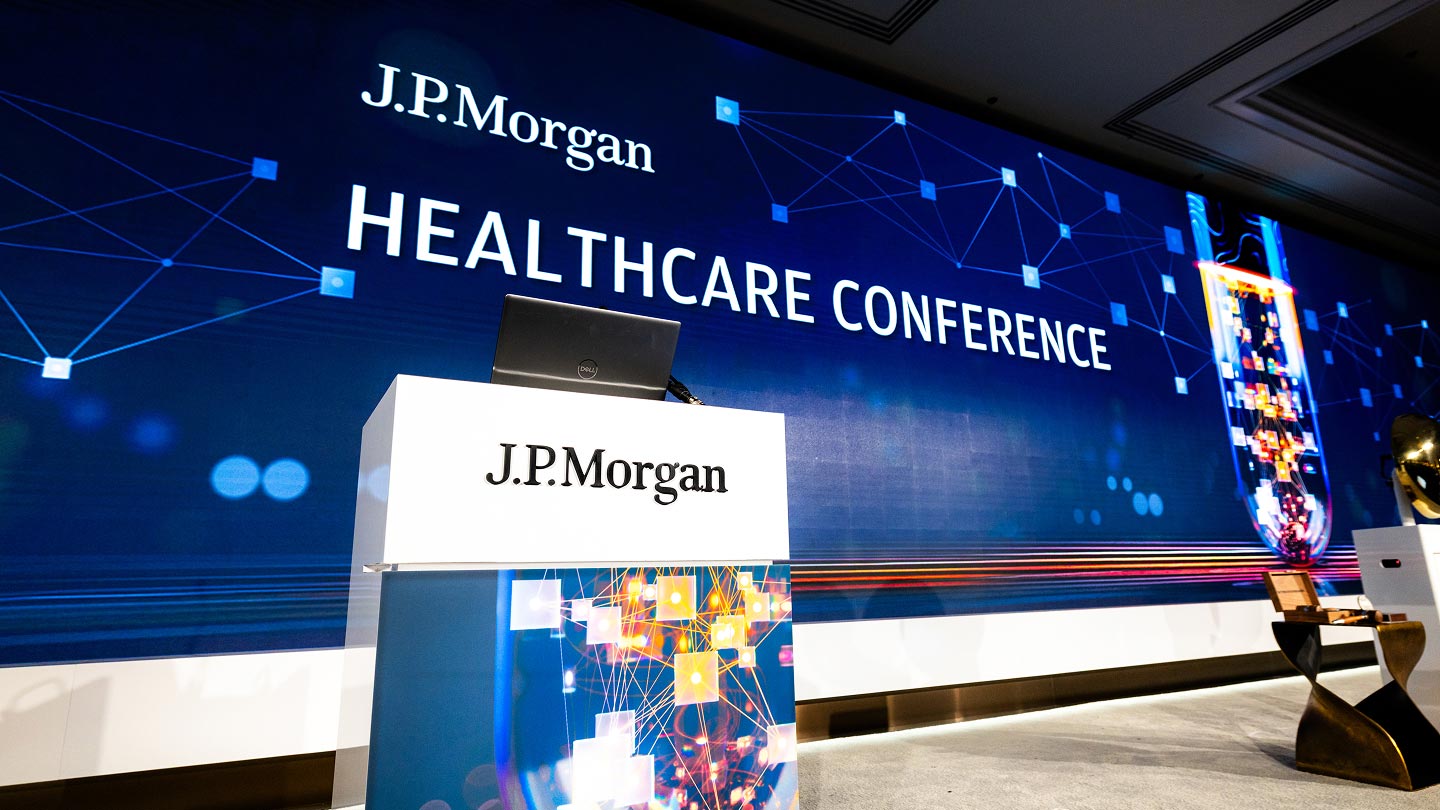
J.P. Morgan’s 44th annual Healthcare Conference highlighted a significant shift toward technology-enabled care and AI integration as primary drivers for the industry heading into 2026. The conference underscored how automation and proprietary data models are being leveraged to reduce administrative burdens and improve patient outcomes, particularly within Medicare and chronic care management. These advancements, coupled with a resurgence in M&A activity and new government-backed digital ecosystems, signal a transformative period for health insurance technology providers and payers.
AI and automation tools are increasingly being deployed across the healthcare sector to alleviate administrative burdens and fortify balance sheets for providers and payers. According to Alexei Gogolev of J.P. Morgan, new AI entrants are focusing on models trained on billions of proprietary clinical and administrative data points, ensuring that solutions are context-aware and deeply embedded in existing healthcare workflows. A notable example of this technological convergence is the partnership between Nvidia and Eli Lilly to build an AI drug discovery lab, which aims to unite pharmaceutical research with advanced computer science.
The public sector is moving toward greater data integration, with senior government officials at the conference advocating for a "health tech ecosystem" designed to give Medicare enrollees easier access to innovative technologies. This initiative prioritizes digital-first solutions for drug development, diagnostics, and data management, while virtual care continues to expand into fields like chronic care management. These government-led efforts are expected to accelerate in 2026, creating a more streamlined environment for technology-enabled care and improving the efficiency of public health programs.
A more favorable regulatory environment is driving a resurgence in M&A activity, particularly as large pharmaceutical companies face "patent cliffs" and seek to bolster their pipelines. In the Asia-Pacific region, biotech and digital health are converging, with $30 billion raised across 25 sector IPOs on the Hong Kong index in 2025 alone. David Lau of J.P. Morgan noted that investors are prioritizing scalable, tech-enabled solutions that deliver both clinical and economic value, suggesting that the future of the market will reward firms capable of executing efficient, data-driven strategies.
The expanding use of GLP-1 medications is being viewed as a strategic investment that could significantly lower long-term healthcare utilization by reducing risks associated with obesity and cardiovascular disease. The Trump administration has reportedly brokered deals with pharmaceutical companies to lower GLP-1 prices for Medicare and Medicaid recipients, which is expected to drive demand as oral versions of these drugs hit the market. For the health insurance technology sector, this shift necessitates robust data platforms to manage increased usage and track the long-term economic impact of these treatments on chronic disease prevalence.
Summary generated by RabbitReport AI from public reporting. The full article and original reporting belong to J.P. Morgan.