Foodservice Industry Trends: Global Consumer Insights
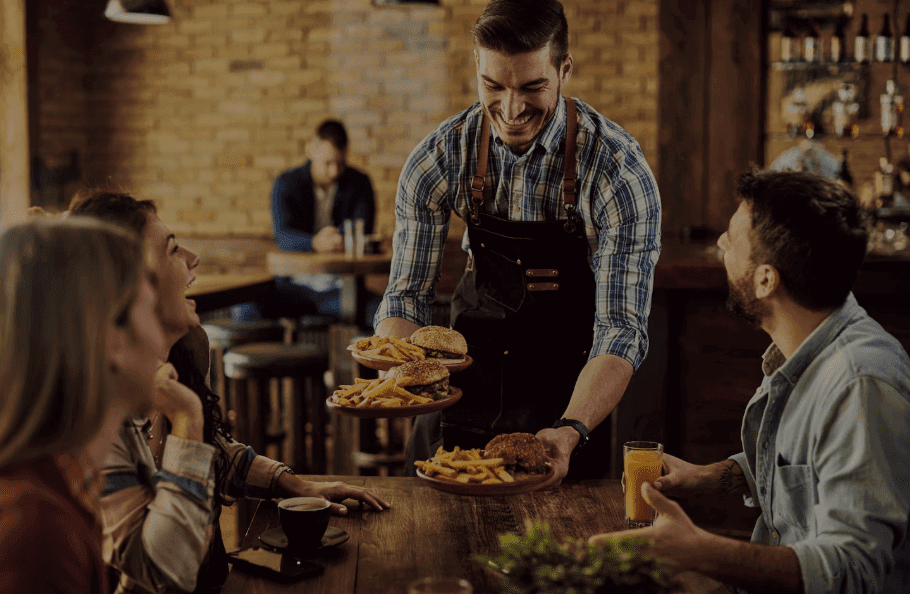
Economic pressures are driving global consumers to favor home-cooked meals and digital grocery solutions over traditional dining out, according to new research from Innova Market Insights. This shift has elevated convenience, fast delivery, and value to essential status for both online retailers and foodservice operators. As the boundaries between grocery shopping and prepared meals continue to blur, companies must integrate health, quality, and technological personalization to secure long-term consumer loyalty.
The global foodservice industry is experiencing a significant convergence of grocery shopping, prepared meals, and digital convenience. Consumers now expect to purchase groceries online while also accessing prepared meals and ready-to-cook kits, prompting retailers to bundle these offerings with snacks and drinks. Technological integration is becoming standard to facilitate this, with brands like Stop & Shop implementing in-store kiosks for digital coupons to bridge the gap between online savings and physical shopping. AI-driven personalization and real-time order tracking are further being utilized to build consumer trust and encourage regular digital engagement across the sector.
Convenience remains the primary motivator for online food delivery, though high costs continue to act as a significant barrier for many consumers. To overcome this, delivery platforms are evolving toward smart food models that prioritize freshness, reliability, and restaurant-quality taste over simple discounting. Innovations such as Swiggy’s Eatlists are improving the discovery experience through dish recommendations, while grocery retailers are focusing on product quality and transparency. To remain relevant to health-conscious but budget-wary shoppers, stores are increasingly offering affordable organic options, private labels, and flexible produce bundles.
Personalization trends are increasingly driven by generational divides, as Gen Z seeks social and unique dining experiences while older consumers prioritize health and value. This shift has led to the development of curated, functional meals, including immune-boosting kits tailored to specific lifestyles. While traditional sit-down venues like pubs and restaurants face declining traffic, fast-food outlets and cafes remain steady by offering speed and lower prices. Operators such as Haidilao are attempting to counter this by providing entertaining and memorable dining experiences. Furthermore, sustainability—particularly food waste reduction—is now a key factor in brand loyalty, requiring retailers to demonstrate that high-quality, eco-friendly options can remain affordable.
Summary generated by RabbitReport AI from public reporting. The full article and original reporting belong to Innova Market Insights.