Mexico’s Trucking Labor Crunch Intensifies as Driver Vacancies Hit 14%
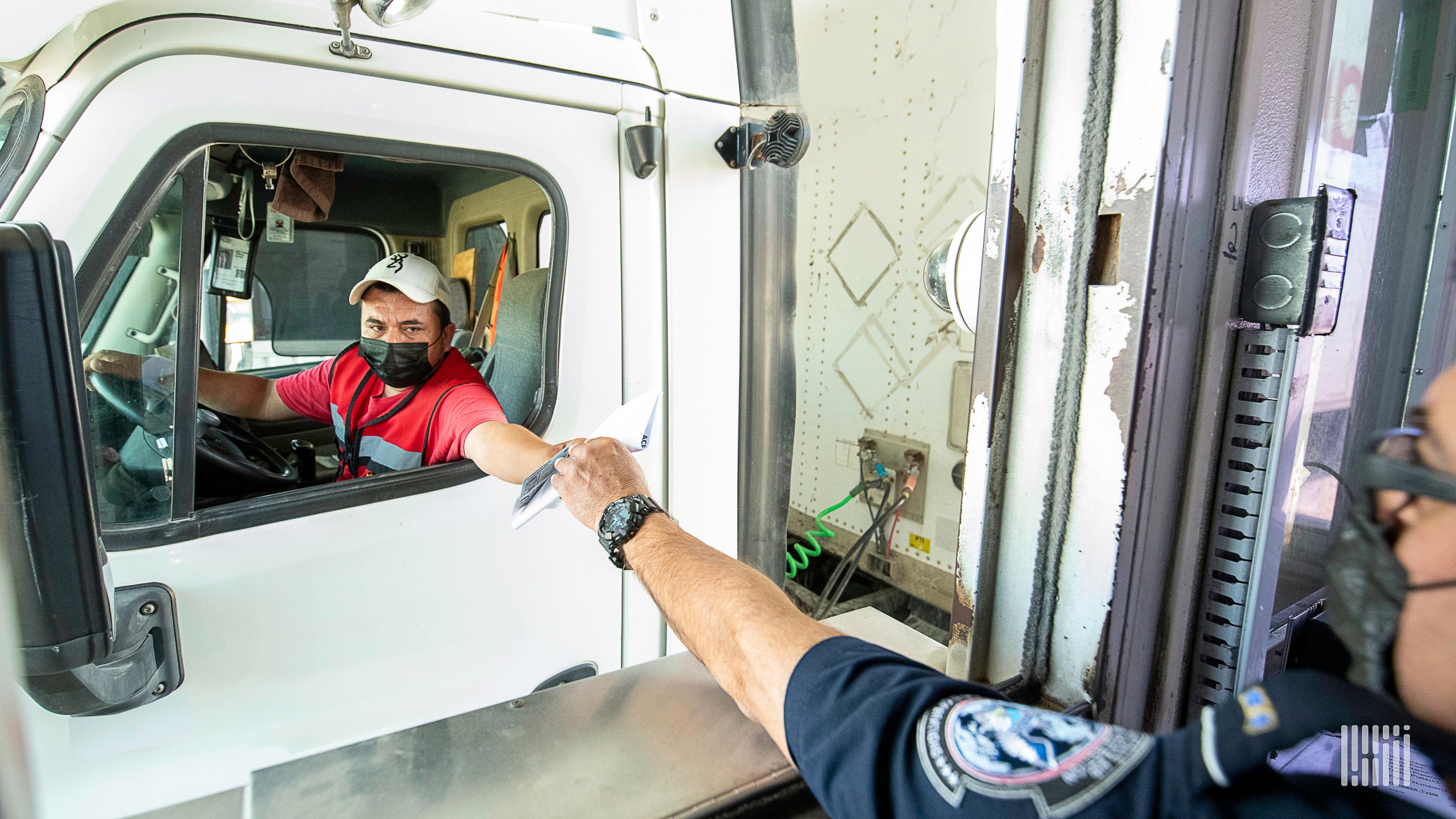
A new survey from the International Road Transport Union reveals that Mexico is facing a significant trucking labor shortage, with 14% of commercial driver positions currently vacant. This vacancy rate is the second highest among 18 major markets surveyed and significantly exceeds the global average of 11%. The shortage poses a critical threat to the region's logistics infrastructure, as trucking handles the vast majority of Mexico's domestic freight and cross-border trade with the United States.
According to the International Road Transport Union (IRU), Mexico’s trucking industry is struggling with a 14% vacancy rate for commercial drivers, trailing only Uzbekistan's 15% among 18 surveyed nations. The Geneva-based organization notes that recruitment difficulties have worsened since 2021, indicating that the labor crunch has evolved into a structural issue rather than a temporary economic fluctuation. Approximately 44% of Mexican trucking firms now identify the driver shortage as their primary operational hurdle, ranking it as a greater concern than the economy, decarbonization efforts, or digitalization.
The impact on physical capacity is substantial, with Mexico’s National Chamber of Cargo Transportation estimating that roughly 90,000 trucks are currently sitting idle because carriers cannot find qualified operators. If current trends continue without significant workforce initiatives, industry estimates suggest the number of idle vehicles could surpass 108,000 by 2028. This shortage is particularly acute given that trucking accounts for 81% of Mexico’s land cargo and 57% of its total domestic freight, making driver availability a linchpin for the country's manufacturing, retail, and export sectors.
On a global scale, the IRU reports approximately 2.9 million unfilled truck driver positions across major freight markets, representing 11% of the total industry workforce. While Mexico’s 14% rate is notably high, other regions also face pressure, including Europe at 13% and Australia at 12%. IRU Secretary General Umberto de Pretto emphasized that these shortages are directly undermining transport capacity and supply chain reliability, warning that the deepening crisis limits business growth for operators who rely on road transportation to move goods.
Summary generated by RabbitReport AI from public reporting. The full article and original reporting belong to FreightWaves.