DAT: Spot truckload rates jumped in June, outpacing freight volumes
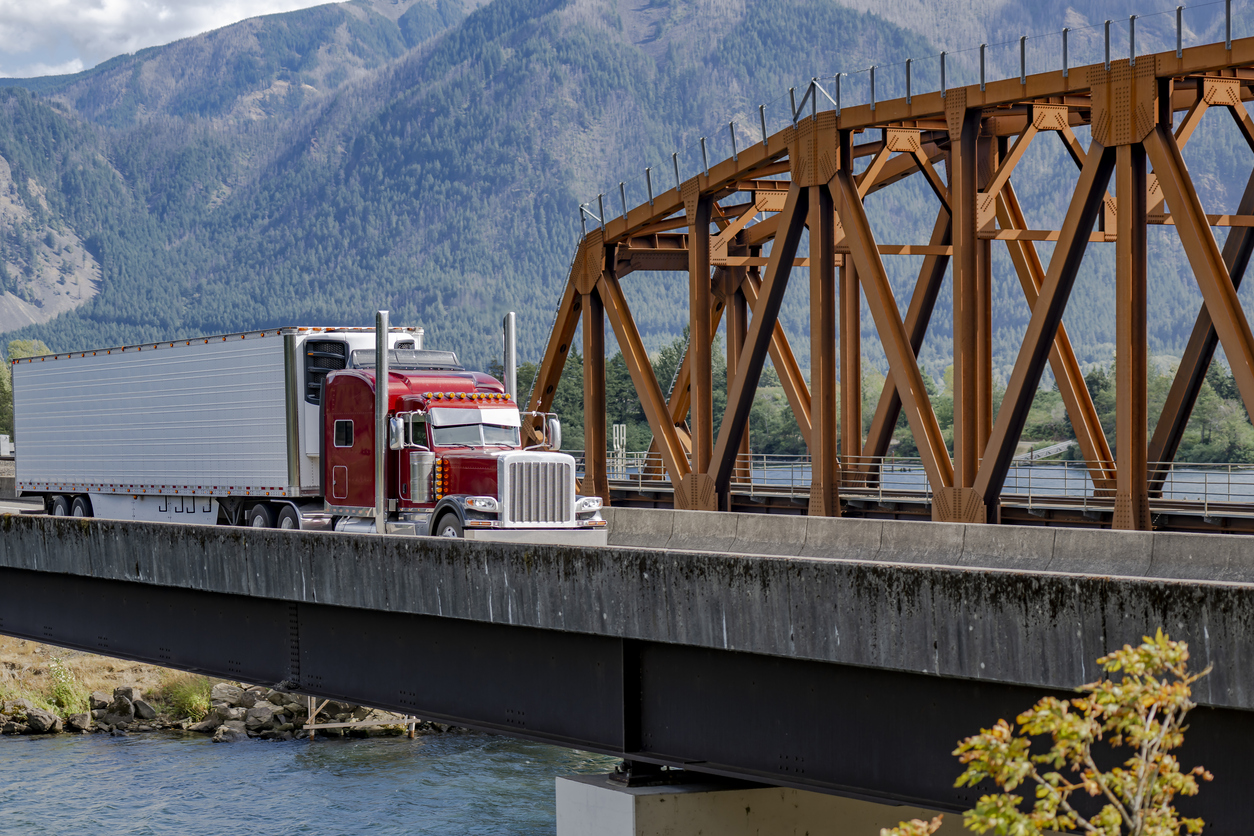
DAT Freight & Analytics reports that national truckload spot rates surged in June, significantly outperforming freight volume growth across all equipment types. This trend indicates a tightening of truck capacity rather than a surge in demand, driven largely by regulatory changes and stricter immigration enforcement affecting the driver pool. For the first time since February 2022, the national average van spot rate exceeded the contract rate, signaling a shift in pricing power toward carriers.
According to the DAT Truckload Volume Index (TVI), spot linehaul rates experienced their largest year-over-year percentage increases since mid-2021. Specifically, van linehaul rates jumped 45% (up 74 cents), refrigerated rates rose 39% (up 76 cents), and flatbed rates increased 40% (up 84 cents), with flatbed spot rates reaching a new all-time high. While volumes moved higher compared to May across all equipment types, the growth was modest relative to the substantial rate hikes, reinforcing the conclusion that capacity constraints are the primary market driver rather than a surge in demand.
The relationship between spot and contract rates reached a significant turning point in June as the national average van spot rate moved above the contract rate for the first time since February 2022. While contract linehaul rates saw increases—with van rising to $2.26 per mile, refrigerated to $2.53, and flatbed to $3.05—all-in contract pricing for van and refrigerated freight actually slipped as lower fuel surcharges offset those gains. DAT industry analyst Dean Croke noted that the narrowing gap between these rates suggests carriers are regaining pricing power across the board, with the flatbed spot-contract spread closing to just 11 cents from 52 cents a year ago.
The tightening capacity is attributed to a combination of regulatory shifts and immigration enforcement measures that have reduced the supply of qualified truck drivers. Croke emphasized that if the market shift were demand-driven, freight volumes would be climbing at a similar pace to rates, which is currently not the case. For the freight and trucking sector, these developments suggest a period of sustained pricing pressure and a potential rebalancing of the market as capacity remains constrained despite stagnant demand levels.
Summary generated by RabbitReport AI from public reporting. The full article and original reporting belong to TheTrucker.com.