ArcBest, ABF Freight announce 5.9% rate increase
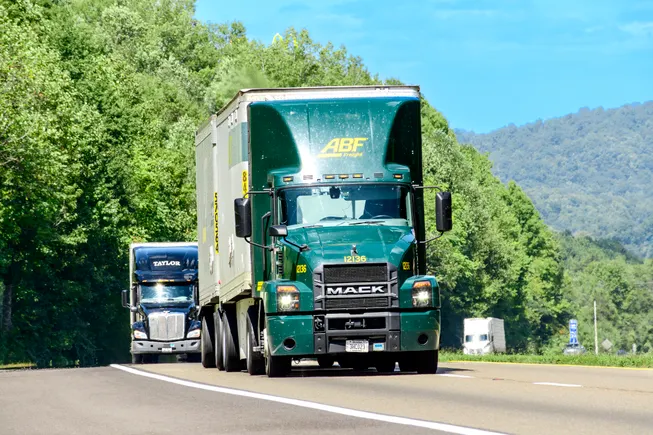
ArcBest and its subsidiary ABF Freight have announced a general rate increase of approximately 5.9% effective June 22. This move comes as the company reports a heavier freight mix and improved operating ratio forecasts despite a generally soft market environment. The announcement is notable for its atypical timing in the second quarter, signaling a disciplined approach to pricing within the less-than-truckload (LTL) sector.
ArcBest and its asset-based subsidiary, ABF Freight, are implementing a general rate increase of about 5.9% starting June 22. While the specific impact will vary by lane and shipment, the timing of this adjustment is unusual, as the carrier typically introduces rate hikes during the latter half of the year. This decision follows a previous 5.9% increase and aligns with recent performance metrics showing a 10% year-over-year increase in the asset-based segment and a 5% rise in tonnage, even as daily shipments declined by 2% per day.
The rate adjustment is supported by an improved financial outlook, with ArcBest revising its second-quarter operating ratio forecast to a sequential improvement of 6 to 7 percentage points—nearly double the typical seasonal uptick of 3.5 points. CEO and President Seth Runser attributed the pricing strength to a rational market and disciplined management actions taken despite a softer environment. Runser noted in a late April earnings call that improvements in volume and capacity are expected to translate into better rate realizations, reflecting the carrier's commitment to maintaining pricing integrity.
Broader economic indicators and market shifts are also influencing these pricing strategies across the trucking industry. Federal data shows the LTL long-distance producer price index surged 20% in April compared to the previous year, while manufacturing sentiment has remained high through the first five months of the year according to Institute for Supply Management surveys. Additionally, reports from C.H. Robinson indicate that some truckload shipments are beginning to migrate into LTL freight as capacity starts to tighten and modes rebalance. This incremental demand growth at the edges of the market provides a backdrop for carriers like ABF Freight to implement these changes as freight mixes grow heavier.
Summary generated by RabbitReport AI from public reporting. The full article and original reporting belong to Trucking Dive.