Sugar Free Beverage Market Analysis, Revenue Outlook 2035
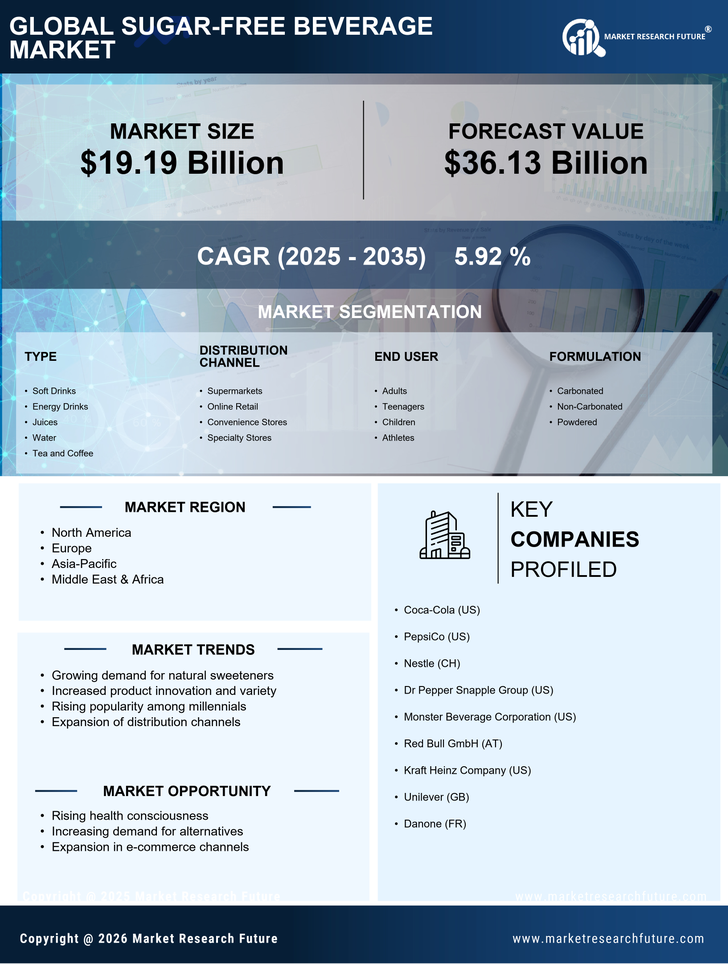
The global sugar-free beverage market is poised for significant expansion, with its valuation expected to grow from $19.19 billion in 2024 to $36.13 billion by 2035. Driven by a compound annual growth rate of 5.92%, the sector is benefiting from a profound shift in consumer preferences toward healthier, low-calorie hydration options. This transition is largely motivated by rising awareness of lifestyle-related health risks, such as diabetes and obesity, alongside a growing demand for clean-label and functional ingredients.
The sugar-free beverage industry is entering a period of robust growth, with market size estimated at $19.19 billion in 2024 and projected to reach $36.13 billion by 2035. This expansion represents a compound annual growth rate (CAGR) of 5.92% starting from 2025. Major industry players, including Coca-Cola, PepsiCo, Nestle, Danone, and the Kraft Heinz Company, are actively diversifying their portfolios to capture this demand. Other key contributors to the competitive landscape include Monster Beverage Corporation, Red Bull GmbH, Unilever, and the Dr Pepper Snapple Group, all of whom are responding to a notable transformation in how consumers approach hydration and nutrition.
A primary driver for this market shift is the heightened health consciousness among consumers who are increasingly wary of the risks associated with excessive sugar consumption, such as obesity and diabetes. Market analysis indicates that nearly 50% of consumers are now actively seeking sugar-free alternatives, a trend particularly prevalent among younger demographics who prioritize fitness and wellness. This demand is further amplified by urbanization and the rise of fitness-oriented lifestyles, compelling manufacturers to innovate beyond traditional soft drinks. The industry is seeing a surge in diabetic-friendly beverages and fortified drinks that align with weight management goals while delivering taste without health compromises.
Technological advancements in food science are playing a critical role by enabling the development of natural sweeteners like stevia and monk fruit, which mimic the taste of sugar without the caloric load. These innovations address long-standing consumer concerns regarding artificial sweeteners and are expected to account for over 30% of the sugar-free beverage segment by 2026. Brands are also placing a greater emphasis on transparency, clean labeling, and sustainability in ingredient sourcing to meet the ethical and health standards of modern shoppers. As regulatory bodies increasingly advocate for reduced sugar intake, the market for low-calorie and functional beverages is set to become a central focus for investment and product development through 2035.
Summary generated by RabbitReport AI from public reporting. The full article and original reporting belong to Market Research Future.