Why Fleets Are Creating Dedicated Fleet Analyst Positions
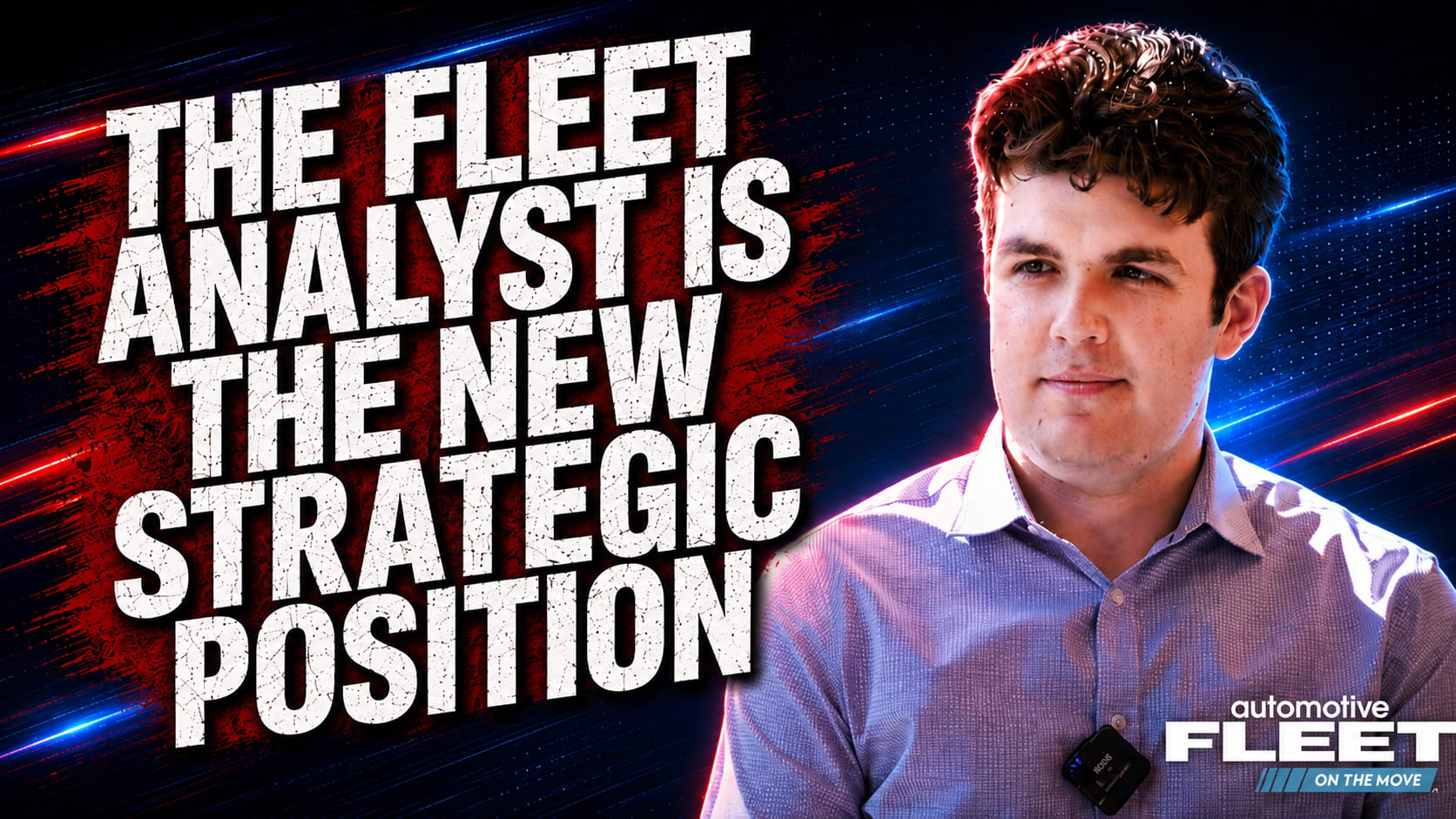
As fleet operations integrate advanced technologies like telematics, artificial intelligence, and electric vehicles, the volume of data generated is exceeding the capacity of traditional management teams. Organizations are increasingly establishing dedicated fleet analyst positions to bridge the gap between raw data collection and strategic operational decision-making. This shift allows fleet managers to focus on daily operations while specialists translate complex datasets into actionable insights regarding safety, utilization, and infrastructure.
The rapid adoption of telematics, connected vehicle technology, and electrification has created a data management challenge that traditional fleet management structures are often unequipped to handle. According to Reed Jackson, a fleet analyst for Dallas County, the influx of information from these systems requires a specialized discipline to manage effectively. Rather than requiring fleet managers to juggle multiple software platforms alongside their primary operational duties, organizations are carving out specific roles to synthesize this information into clear strategies that improve overall fleet performance.
In his role at Dallas County, Jackson utilizes telematics data to drive several key initiatives, including the evaluation of electric vehicle (EV) deployment and the identification of necessary charging infrastructure. By analyzing specific data points, the county can better understand vehicle utilization patterns and identify opportunities for safety improvements. This analytical focus ensures that investments in new technology translate into measurable operational gains rather than just increased administrative overhead, allowing the county to make data-backed decisions on vehicle procurement and lifecycle management.
Looking forward, the integration of data across various fleet management systems is expected to become a critical priority as artificial intelligence tools continue to mature. Jackson emphasizes that the goal of these dedicated analyst roles is to enable faster, more informed decision-making by breaking down data silos and creating a unified view of fleet health. For the fleet management sector, this trend signals a move toward more data-centric organizational structures where specialized analysis is considered essential for maintaining efficiency and safety in an increasingly complex technological landscape.
Summary generated by RabbitReport AI from public reporting. The full article and original reporting belong to Automotive Fleet.