Fontana: How fleet managers can use KPIs to improve operations
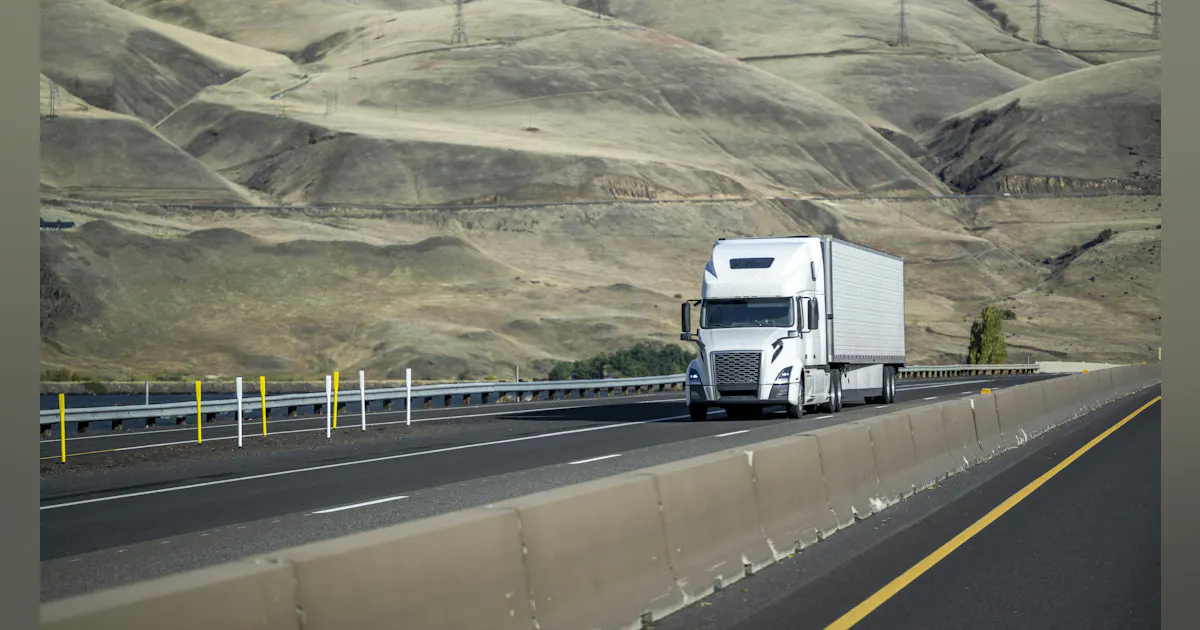
Gino Fontana, COO and EVP at Transervice Logistics Inc., outlines how fleet managers can utilize key performance indicators (KPIs) to drive operational efficiency and cost reduction. By establishing objective performance standards across various departments, organizations can better monitor progress and make data-driven decisions. This strategic framework is essential for modern fleets looking to leverage telematics and real-time data to improve driver behavior and maintenance outcomes.
Gino Fontana, a transportation industry veteran with over 35 years of experience, asserts that setting specific KPIs is the foundational step for any fleet seeking to improve its bottom line. While each fleet requires its own unique set of standards, these objective measures are necessary to evaluate how well an operation is performing relative to its goals. According to Fontana, the primary objective of implementing KPIs is to increase efficiency, which naturally leads to cost savings across the organization.
For vehicle and driver management, Fontana identifies several critical metrics, including total cost per mile, fuel cost per mile, miles per gallon, and idle time percentage. The advent of telematics has expanded these capabilities, allowing fleet managers to monitor driver performance in real time and intervene with coaching to prevent violations. Additionally, operational KPIs such as cost per delivery and on-time delivery rates provide a clear picture of logistics performance and customer service reliability.
Maintenance and safety departments also benefit from structured KPI tracking, with metrics focusing on parts and tire costs, uptime, and road calls per million miles. Fontana highlights the importance of measuring repairs between preventive maintenance services and tracking DOT or OSHA accident frequency to ensure a safe working environment. He emphasizes that determining what to measure is only the first step; managers must also define acceptable performance standards and commit to regular data reviews.
The frequency of these reviews can range from weekly to real-time, depending on the technology platforms available to the fleet. By comparing actual performance against established standards, fleet managers can make quick operational adjustments to stay on track. Fontana, who serves as COO and EVP at Transervice Logistics Inc., notes that this continuous cycle of measurement and adjustment is what ultimately leads to a more profitable and efficient fleet operation.
Summary generated by RabbitReport AI from public reporting. The full article and original reporting belong to FleetOwner.