How fleet management software simplifies compliance
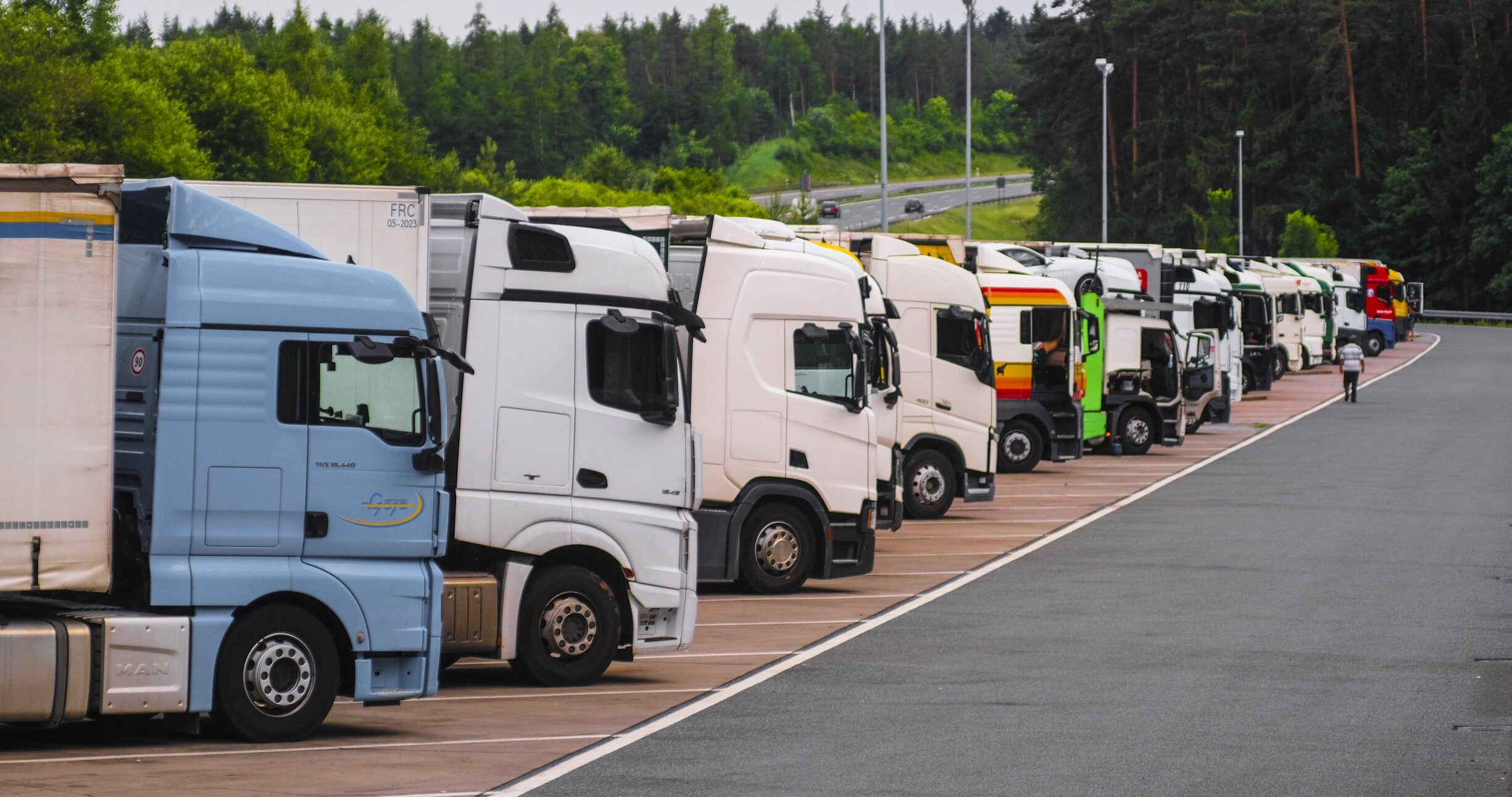
The adoption of digital fleet management software is becoming a critical strategy for operators to navigate the increasingly complex regulatory requirements of the transport industry. These platforms streamline essential processes such as driver hour tracking, maintenance scheduling, and permit management, significantly reducing the manual workload and stress associated with compliance. For the fleet management sector, this shift toward digitization is vital for maintaining operational efficiency, ensuring public safety, and avoiding the rising costs of non-compliance.
Compliance in the fleet sector begins with rigorous driver oversight, where managers must balance duty of care with operational demands. Fleet management software enables the digital tracking of health checks, training, and tachograph hours, ensuring that driving time is maximized within legal limits while addressing concerns like fatigue. By monitoring driver behavior on the road, operators can identify and correct misdemeanors before they result in accidents, unplanned maintenance, or increased insurance premiums, thereby protecting both the public and the company's assets.
Vehicle oversight is equally critical, requiring more than just adherence to scheduled services and MOTs. Effective compliance involves regular inspections and risk assessments to catch faults that may arise between major service intervals, which could otherwise compromise safety or lead to operational failures. Digital tools provide fleet managers with the foresight needed to plan these inspections effectively, allowing them to distribute workloads across the remaining fleet and prevent any loss of operations due to unexpected vehicle downtime.
The regulatory landscape is further complicated by specific regional requirements, such as London’s Direct Vision Standard (DVS) for HGVs over 12 tonnes. As of October 2024, the DVS rating scheme was strengthened to require a minimum three-star rating, necessitating that lower-rated vehicles be fitted with a Progressive Safe System (PSS) to obtain a valid HGV Safety Permit. Telematics and fleet management tools, such as those discussed by Teletrac Navman, automate the organization of these permits and safety-system evidence, which is essential for avoiding the heavy fines associated with digital monitoring of these schemes.
Ultimately, successful compliance relies on robust document management and the centralization of data. Cloud-based systems allow fleet managers and drivers to access licenses, insurance, and tax documents from a single location, while business intelligence tools help map compliance milestones over extended periods. By consolidating multiple reports into a single digital sphere, these platforms eliminate the need to juggle disparate data sources, allowing fleet managers to maintain a productive and fully compliant fleet throughout the year.
Summary generated by RabbitReport AI from public reporting. The full article and original reporting belong to FleetPoint.