Forget Solid-State: Silicon Anodes Emerge as the Near-Term Breakthrough for EV Batteries
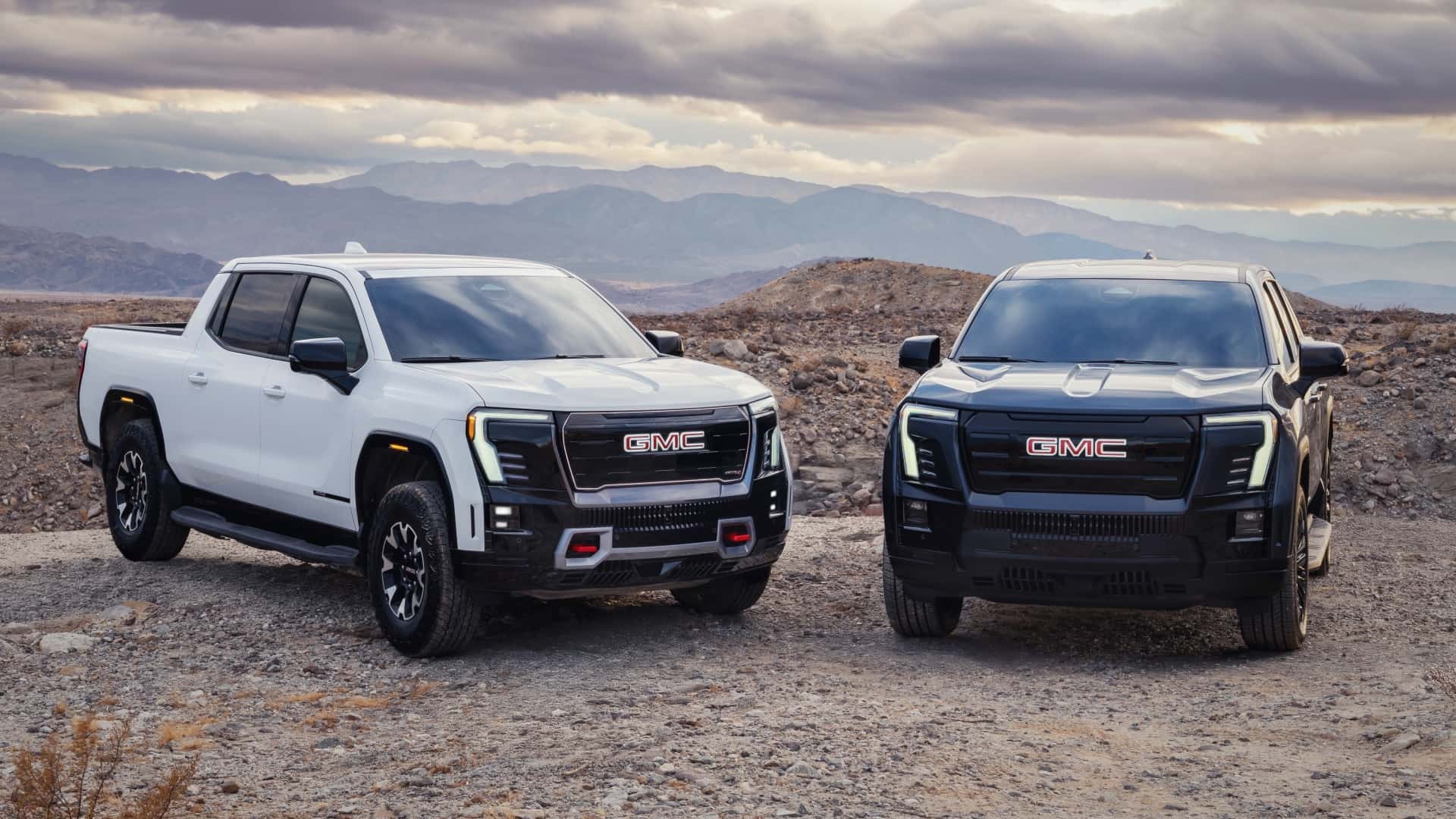
General Motors and several battery startups are pivoting toward silicon anode technology as a more immediate solution for enhancing electric vehicle performance compared to long-term solid-state goals. By increasing the silicon content in battery anodes, manufacturers aim to significantly boost energy density and reduce charging times while decreasing reliance on graphite, which is currently dominated by Chinese processing. This shift represents a critical mid-term evolution in the energy storage sector, with production facilities already scaling up to meet automotive demand.
Kurt Kelty, Vice President of Battery and Sustainability at General Motors, identifies silicon as the next major anode technology, offering a bridge to the future while solid-state batteries remain years from commercialization. Current battery anodes rely almost exclusively on graphite, a material with environmental concerns and a supply chain where over 90% of processing occurs in China. By integrating higher percentages of silicon into the anode, automakers can achieve greater energy density and faster charging, though some graphite remains necessary to manage the physical swelling associated with pure silicon. GM is actively testing these materials alongside other chemistries, including lithium-manganese-rich batteries for 2028 SUVs and sodium-ion cells for grid-scale storage.
Several battery startups are already demonstrating the performance leaps possible with silicon-rich chemistries. California-based Amprius Technologies claims its silicon anode battery could extend a standard 310-mile EV range to 574 miles, while Sila reports a potential 20% range boost without increasing pack size. In the high-performance sector, the McMurtry Spéirling hypercar utilizes Molicel batteries featuring Group14’s silicon anodes to achieve a 0-60 mph time of 1.55 seconds. Furthermore, the Mercedes-Benz AMG GT leverages silicon-containing anodes to reach a peak charging rate of 600 kilowatts, allowing a 10% to 80% charge in just 11 minutes.
The transition to silicon anodes is moving from prototypes to industrial-scale production. Sila’s facility in Moses Lake, Washington, is currently operational with the capacity to supply materials for 50,000 EVs annually, with potential expansion to 2.5 million vehicles; the company has already secured supply agreements with Mercedes-Benz and Panasonic. Similarly, Group14 has taken full ownership of a joint venture plant in South Korea with SK Inc., targeting 10 gigawatt-hours of production—enough to power over 100,000 EVs. These investments signal a massive industrial push to lower costs and move silicon technology from niche high-performance models into affordable, mass-market electric vehicles.
Summary generated by RabbitReport AI from public reporting. The full article and original reporting belong to InsideEVs.