China Leads Charge in Energy Storage Powered by Battery Progress
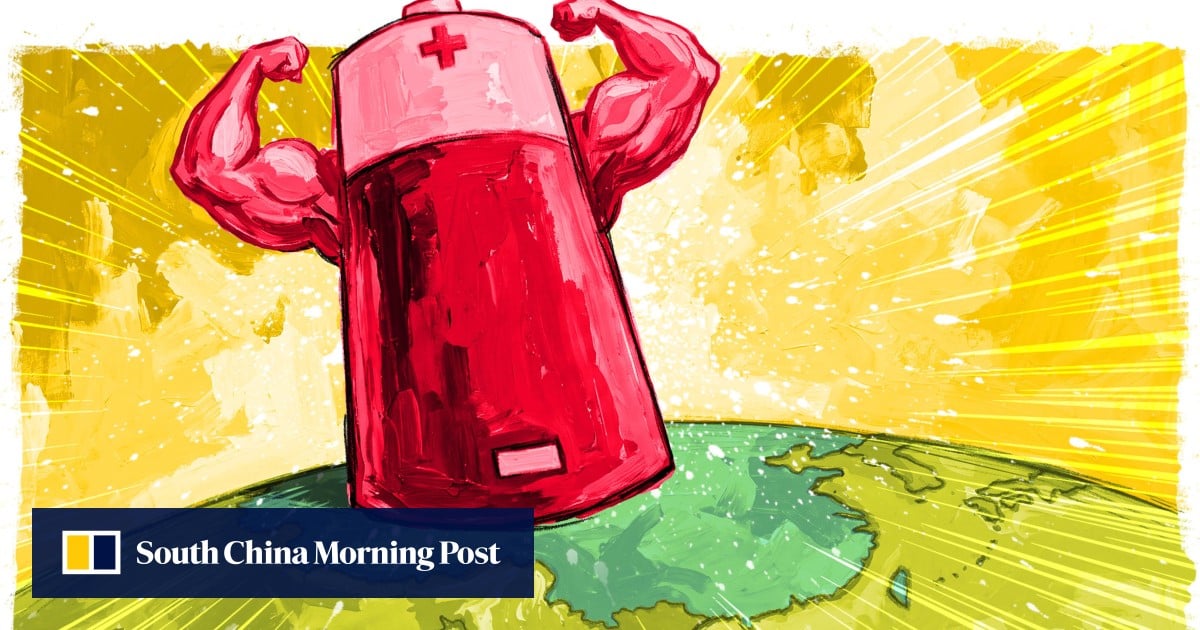
China has inaugurated the Xiamen Energy Storage Validation Research Institute (ESVL), a 3 billion yuan (US$444 million) facility designed to test battery-based energy-storage systems (BESS) under extreme environmental conditions. This milestone supports Beijing’s strategic goal to establish "new energy storage" as a pillar of its power grid, which is increasingly reliant on intermittent renewable sources like wind and solar. As the world’s largest testing platform, the facility aims to accelerate the commercialization of storage technologies and strengthen the global competitiveness of Chinese battery manufacturers.
The newly opened ESVL, equivalent in size to 14 football pitches, was built and is operated by Contemporary Amperex Technology Ltd (CATL), though it will serve the broader industry by testing equipment from various manufacturers. The facility is designed to simulate harsh conditions—including extreme temperatures, sandstorms, and corrosive ocean spray—to ensure that BESS units can reliably stabilize the electrical grid. According to Lu Jiazheng of State Grid, the institute will help China provide a global benchmark for the transition to greener energy, while CATL officials noted it will shorten grid-connection cycles and mitigate risks to grid stability.
China currently dominates the global energy storage landscape, accounting for 144.7 GW of cumulative installed capacity in 2025, which represents approximately 52% of the global market. This leadership is supported by a dominant supply chain; the world’s top five energy-storage battery makers in early 2026—CATL, Eve Energy, Hithium, BYD, and CALB—are all Chinese firms. Industry projections suggest China’s storage capacity will surge by 156% to reach 370 GW by 2030, with manufacturers planning to add over 600 GWh of new production capacity this year alone to meet rising domestic and international demand.
The economic viability of battery storage has been bolstered by a 90% reduction in lithium-ion battery costs since 2010, driven by technological upgrades and massive production volumes. This cost decline allowed solar-plus-storage facilities to reach price parity with thermal power plants last year, making BESS more attractive than alternative technologies like compressed air or hot water storage. Beyond grid stabilization, the sector is seeing increased demand from artificial intelligence data centers requiring direct green-energy connections, further incentivizing the buildout of high-output, fast-response battery systems.
Summary generated by RabbitReport AI from public reporting. The full article and original reporting belong to South China Morning Post.