Heavy-duty electric vehicles in US and China face potential new taxes
Authorities in the United States and China are exploring new fees for electric vehicle owners to address the dual challenges of infrastructure wear and declining fuel tax revenues. As manufacturers prioritize longer driving ranges, the resulting increase in battery size has led to significantly heavier vehicles that place greater stress on road networks. This shift marks a transition for the EV sector from a period of heavy government subsidies toward a future where owners must contribute more directly to transportation infrastructure maintenance.
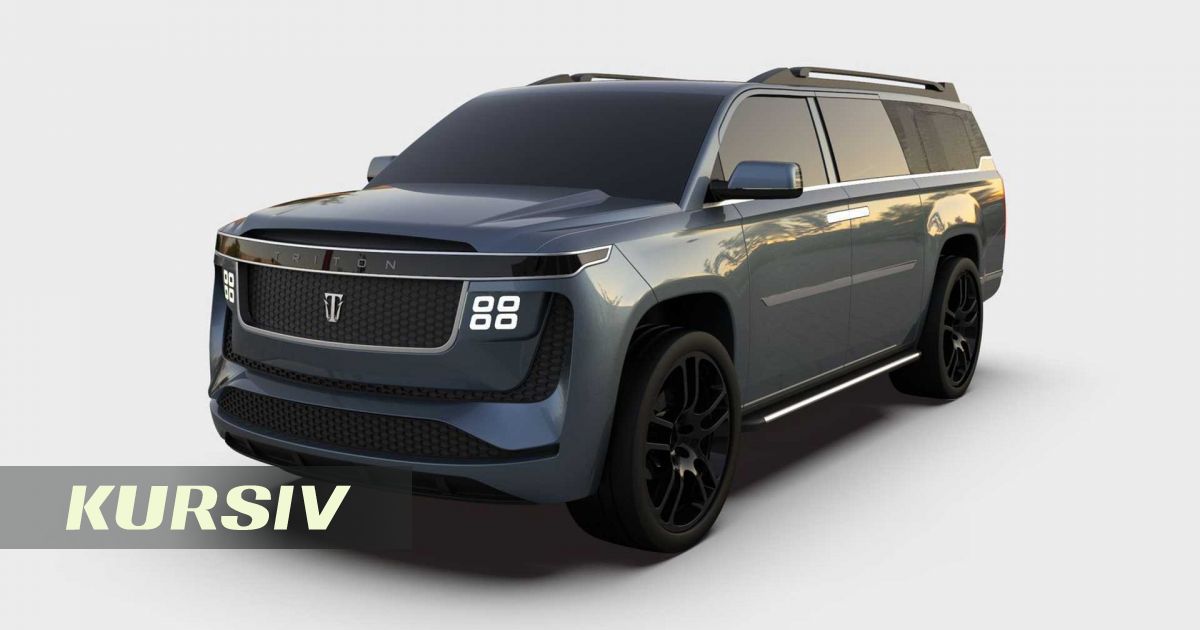
The push for extended driving ranges in the electric vehicle market has inadvertently led to a significant increase in vehicle mass due to larger battery packs. In China, the average weight of new electric models has reached approximately 1.9 tons, with some heavy-duty versions exceeding 3 tons. This trend is driven by consumer demand for larger crossovers and SUVs, which require substantial energy storage to maintain performance, consequently putting more physical stress on public roads than traditional internal combustion engine vehicles.
Beyond physical road wear, the growing adoption of electric vehicles is creating a fiscal gap for governments that have traditionally relied on fuel taxes to fund road construction and maintenance. Since EV owners do not pay these taxes at the pump, policymakers are seeking alternative revenue streams to ensure transportation infrastructure remains funded. In the United States, several states have already implemented annual registration fees for electric vehicles, with some charges reaching approximately $250 per year, while other jurisdictions are currently debating similar measures.
China is considering a more complex fee structure that would account for both a vehicle's total weight and the total distance it travels. Under this proposed system, heavier electric vehicles that are driven more frequently would be subject to higher fees, directly linking the cost to the impact on the road network. This represents a significant policy shift from the previous years of encouraging EV adoption through tax incentives and subsidies. As the market matures, officials aim to establish road-use fees for electric vehicles that are comparable to those paid by drivers of gasoline- and diesel-powered cars.
Summary generated by RabbitReport AI from public reporting. The full article and original reporting belong to Kursiv Media Казахстан: последние новости Казахстана и мира.