Beyond Lithium: New Battery Tech Starts to Break Through
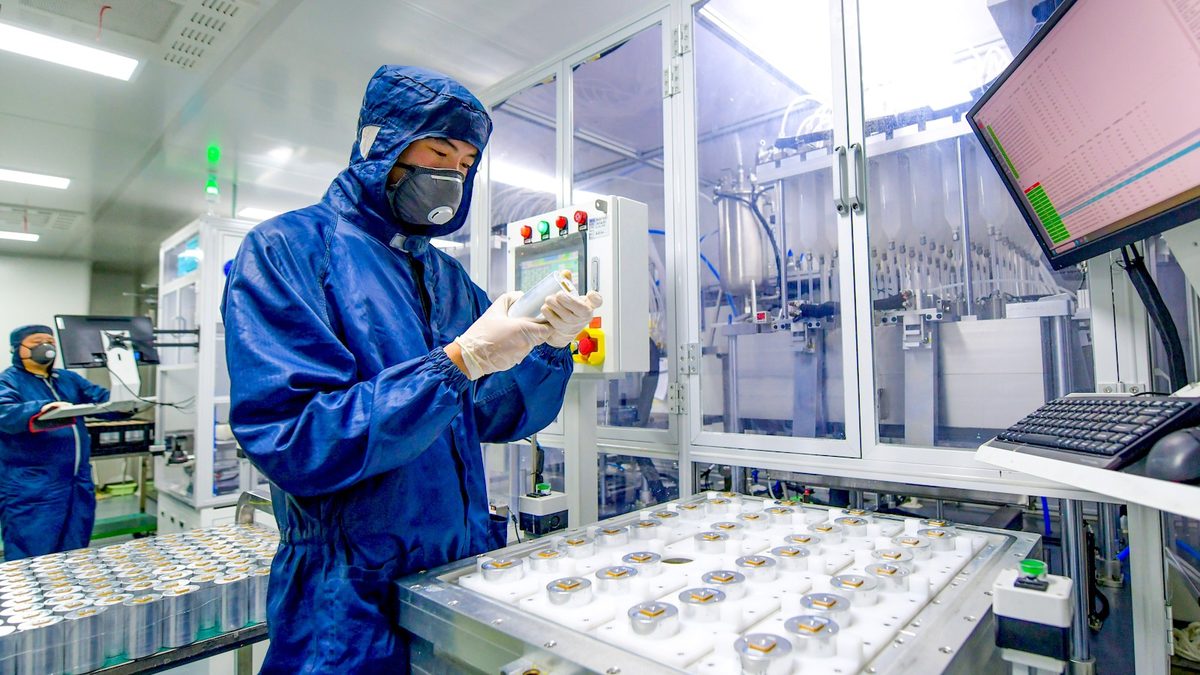
The electric vehicle market is experiencing a surge in battery innovation as researchers develop alternatives to dominant lithium-ion technologies to meet soaring global demand. With EV sales reaching 20 million units in 2025, new chemistries like sodium-ion and solid-state batteries are transitioning from laboratories to commercial production. These advancements are critical for the sector as they promise to reduce reliance on scarce raw materials while offering specialized solutions for both budget and luxury vehicle segments.
Battery demand has increased fortyfold since 2010, driven largely by the electric vehicle boom where sales now account for roughly a quarter of all global car sales. According to Teo Lombardo, an analyst for the International Energy Agency, over 40 percent of energy-related patents in 2024 were focused on batteries, reflecting an unprecedented pace of innovation. While lithium-ion remains the industry standard, the market is shifting toward specialization, with lithium iron phosphate (LFP) batteries recently overtaking nickel manganese cobalt (NMC) variants due to lower costs and improved thermal stability.
Sodium-ion technology is emerging as a significant contender for the budget EV market because sodium is more abundant and easier to source than lithium. Although sodium atoms are heavier and larger—resulting in roughly 30 percent less energy density than lithium-ion—these batteries perform well in cold temperatures and are expected to follow a similar improvement trajectory as their predecessors. In China, the first mass-produced sodium-ion vehicle, the Changan Nevo A06, was unveiled in February 2024, signaling the start of a commercial shift toward more resilient and diverse supply chains.
On the high-performance end of the spectrum, solid-state batteries are being developed to provide the long ranges required for luxury electric vehicles. Jagjit Nanda of the SLAC-Stanford Battery Center notes that creating high-quality batteries requires a delicate balance of chemistry and engineering to ensure longevity, safety, and recyclability. As the industry matures, experts believe the future will not be defined by a single winning technology, but rather by a mix of chemistries tailored to specific needs, from stationary grid storage to diverse tiers of consumer transportation.
Summary generated by RabbitReport AI from public reporting. The full article and original reporting belong to Yale E360.