Mississippi’s senators again control major legislative “gates” for defense contracting
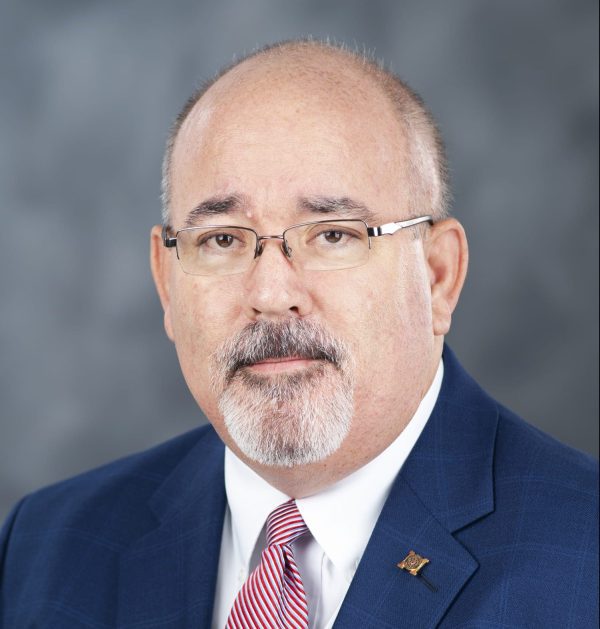
U.S. Senators Roger Wicker and Cindy Hyde-Smith have secured leadership positions over the primary legislative gates for defense spending, positioning Mississippi as a central hub for military contracting oversight. Senator Wicker serves as chairman of the Senate Armed Services Committee, while Senator Hyde-Smith has been named chairman of the Senate Appropriations Committee’s Defense Appropriations Subcommittee. This alignment allows the two senators to oversee both the authorization of military programs and the subsequent allocation of funding, a development with significant implications for major defense contractors and military installations.
The appointment of Senator Cindy Hyde-Smith to lead the Defense Appropriations Subcommittee, following the death of Senator Lindsey Graham, creates a strategic “one-two punch” for Mississippi’s defense interests. Senator Roger Wicker, as chair of the Senate Armed Services Committee (SASC), leads the Senate’s authorization of military policy, troop levels, and procurement programs through the National Defense Authorization Act (NDAA). Senator Hyde-Smith now controls the subcommittee responsible for approving the actual dollars provided for those authorized programs, ensuring that no defense budget or supplemental package can clear the Senate without passing through committees led by Mississippi representatives.
This legislative control is expected to provide substantial stability for Mississippi-based defense contractors, most notably Huntington Ingalls and its network of suppliers. The state’s influence extends across various sectors, including Navy shipbuilding, unmanned aerial systems, and aerospace technology. Furthermore, the senators' positions provide a safeguard for funding directed toward military installations such as Columbus Air Force Base, Keesler, and Camp Shelby, as well as research grants for state universities. The source notes that if the Pentagon or the House proposes cuts to weapons systems with local ties, Wicker and Hyde-Smith possess the power to block, stall, or renegotiate the legislation to protect state interests.
The current concentration of power mirrors historical periods when Mississippi congressional leaders like John Stennis and Thad Cochran leveraged seniority to drive federal spending. For instance, former Senator Cochran used his chairmanship in 2018 to secure $1.2 billion in funding for two U.S. Coast Guard national security cutters, the USCGC Calhoun and the USCGC Friedman, to be built at Ingalls in Pascagoula. However, the article highlights the transitory nature of this clout, noting that while the Calhoun was commissioned in 2024, the Friedman was canceled by the Department of Homeland Security following a contract dispute after Cochran’s departure from the Senate, illustrating the critical importance of maintaining these committee chairmanships for long-term project stability.
Summary generated by RabbitReport AI from public reporting. The full article and original reporting belong to Magnolia Tribune.