Developer of NYC Office-to-Residential Conversion Addresses Structural Column Failure
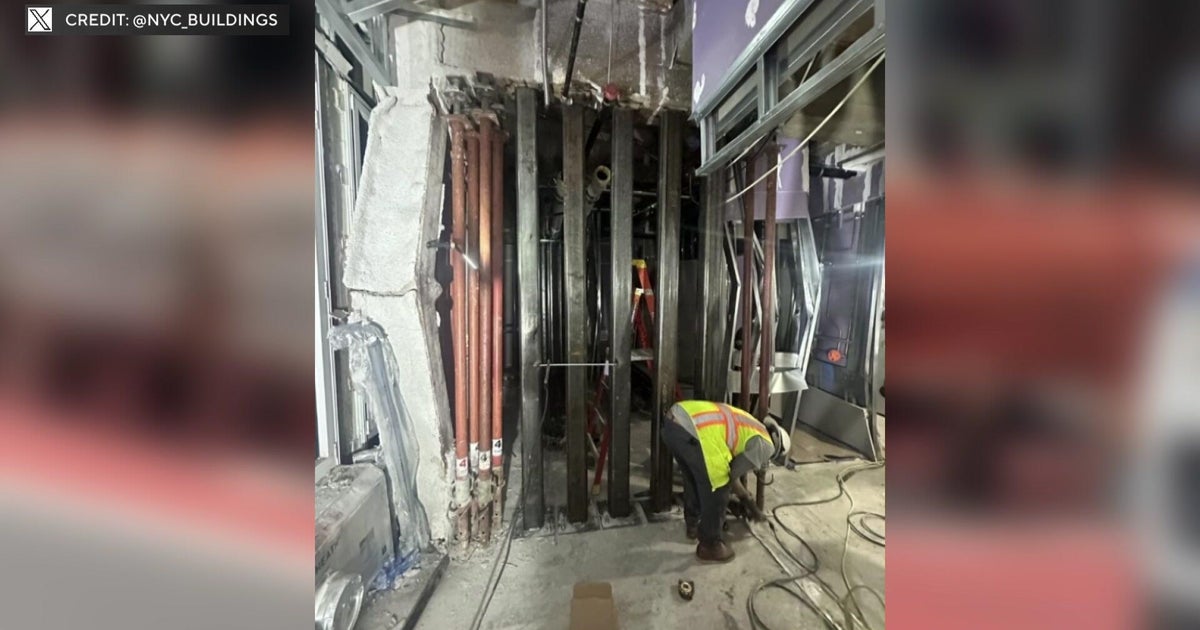
Construction crews are working around the clock to stabilize the former Pfizer headquarters in New York City after two structural columns buckled during an office-to-residential conversion. The incident, which caused several floors to sag, prompted the evacuation of four nearby buildings and the temporary closure of 42nd Street. This event highlights the structural risks and engineering complexities inherent in large-scale adaptive reuse projects involving the addition of new floors to existing mid-century frameworks.
The stabilization efforts at the 950,000-square-foot site on 42nd Street involve reinforcing every floor from the ninth level up to the roof using pipe columns. According to Department of Buildings inspectors and engineers on-site, the structure has shown no movement in the last 24 hours, allowing for the reopening of vehicular traffic between Second and Third avenues. While four neighboring buildings remained evacuated as a precaution, the project developer, MetroLoft, expects shoring-up work to be completed quickly. The failure occurred as the project team was adding additional stories to the existing building, a common but technically demanding practice in the current NYC development landscape.
Nathan Berman, principal and founder of MetroLoft, stated that the building was never at risk of collapse, characterizing the issue as localized to approximately 18,000 square feet, or less than four percent of the total structure. Berman attributed the buckling to a specific structural error where the load exceeded the capacity of two columns that may have been overlooked during the reinforcement phase. He clarified that the issue was strictly structural rather than a design flaw related to the conversion process itself. Despite the setback, Berman maintains that the project remains on schedule for completion within a year, asserting that the 1950s-era construction provides a sturdier foundation for residential use than modern ground-up builds.
The incident has sparked a dispute between the developer and organized labor, with representatives from Construction and General Building Laborers' Local 79 alleging that the use of non-union workers led to cutting corners on safety. Berman countered these claims, noting that the site employs a mix of union and non-union labor and dismissed the union's criticisms as self-serving given that the technical cause had already been identified. For the broader construction and building sector, this case serves as a high-profile example of the scrutiny facing office-to-residential conversions, particularly regarding the management of structural loads and the integration of new additions onto aging commercial infrastructure.
Summary generated by RabbitReport AI from public reporting. The full article and original reporting belong to CBS News.