Hyundai Expands Silicon Valley Presence to Support Autonomous Driving
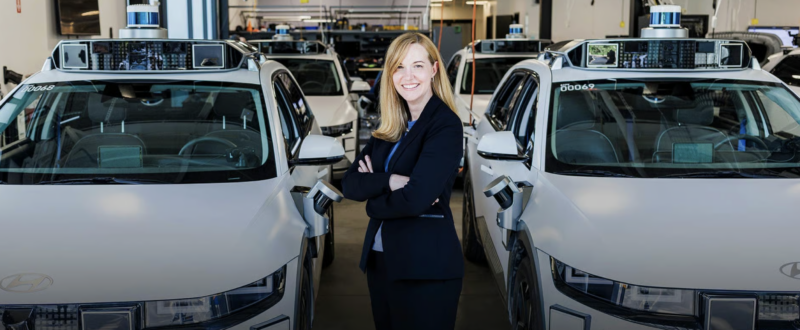
Hyundai Motor Group is significantly expanding its footprint in Silicon Valley through the establishment of AVP Silicon Valley, a new research hub dedicated to autonomous driving, robotics, and artificial intelligence. This move aligns with Executive Chair Euisun Chung’s Physical AI vision, which aims to integrate software-defined capabilities into vehicles and urban infrastructure. By deepening collaborations with industry leaders like NVIDIA and Waymo, Hyundai seeks to accelerate the development of autonomous systems and secure a competitive edge in the evolving mobility landscape.
Hyundai’s new AVP Silicon Valley hub is designed to accelerate the development of AI-defined vehicles (AIDVs) and autonomous driving technologies. The center is led by Senior Vice President Jeremy Ma, who brings extensive engineering leadership experience from NASA, Apple, NVIDIA, and the Toyota Research Institute. This facility will focus on integrating computer vision and robotics into future mobility programs, complementing the work of Hyundai CRADLE, the group’s existing open innovation and investment platform that has operated in the region since 2011.
Central to this expansion is the Physical AI roadmap introduced by Executive Chair Euisun Chung at the San Francisco AI Summit, which outlines a path from AI-enabled vehicles to connected infrastructure and AI-supported urban environments. Hyundai is strengthening its technical ecosystem through strategic partnerships with NVIDIA and Waymo for autonomous systems, while its subsidiary Boston Dynamics collaborates with Google DeepMind on robotics. Additionally, Hyundai and NVIDIA are co-developing a Robot Reference Platform to combine the automaker's robotics expertise with advanced physical AI technologies.
To sustain these technological developments, Hyundai is launching a comprehensive recruitment drive, including the HMG Tech Talent Forum in Silicon Valley this September and the HMG Global Tech Talent Recruitment programme. The company is also investing in long-term infrastructure, such as the Saemangeum AI Valley project in South Korea and a partnership with San Francisco’s Exploratorium to develop an experiential science museum in Seoul by 2032. These efforts are intended to identify top engineering talent and promote global education in the fields of autonomous driving, robotics, and artificial intelligence.
Summary generated by RabbitReport AI from public reporting. The full article and original reporting belong to Future Transport-News.