SpaceX IPO Valuation Exceeds Combined Value of S&P 500 Aerospace and Defense Peers
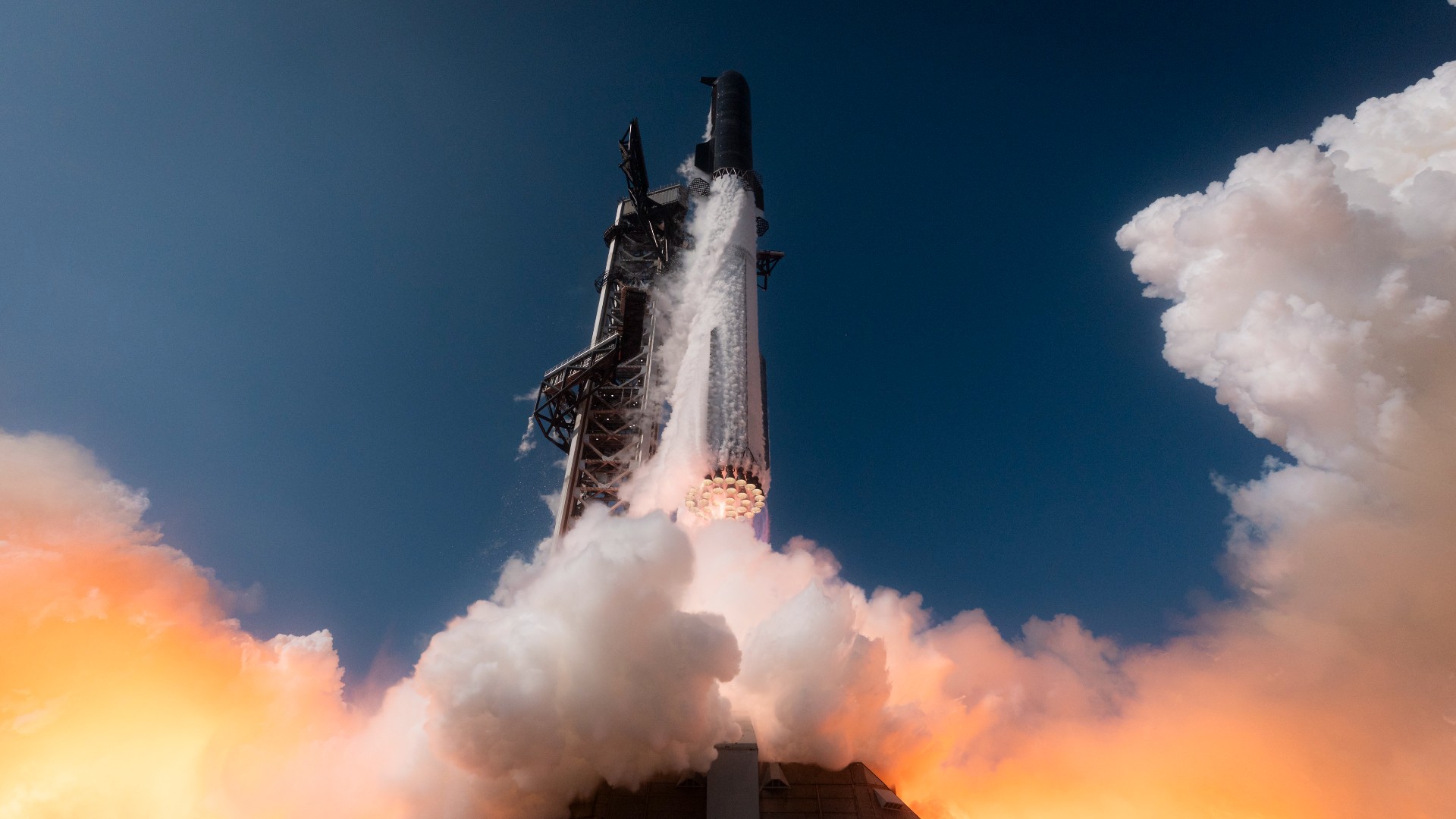
SpaceX’s anticipated public offering reveals a valuation of $1.77 trillion, a figure that surpasses the combined market capitalization of all 12 aerospace and defense companies in the S&P 500. This valuation highlights a significant shift in investor sentiment toward space technology and private launch services compared to traditional defense incumbents like Boeing and RTX Corp. The offering represents a pivotal moment for the Aerospace & Defense sector as it underscores the massive growth expectations for the commercial space market over the next decade.
According to S-1 filings with the Securities and Exchange Commission, SpaceX is seeking a valuation of $1.77 trillion, making it the largest public offering since Saudi Aramco in 2019. This figure notably exceeds the $1.5 trillion combined market capitalization of the 12 aerospace and defense incumbents currently listed on the S&P 500, which includes industry giants such as Boeing Co., RTX Corp., GE Aerospace, and Northrop Grumman Corp. While these 12 established firms collectively generated approximately $500 billion in revenue, SpaceX’s reported pre-IPO revenue stands at a much smaller $18.7 billion, illustrating a stark contrast between current financial performance and future growth expectations.
Goldman Sachs Group Inc., acting as the lead underwriter for the offering, has informed prospective investors that SpaceX’s total revenue could potentially exceed $474 billion by 2030. This aggressive growth trajectory is supported by bullish investors like Ron Baron, who suggested the company could eventually reach a $30 trillion valuation, a sentiment Elon Musk himself endorsed. Gene Munster of Deepwater Asset Management further emphasized SpaceX’s competitive advantage, noting its unique position in the tech and aerospace industries as a rocket manufacturer compared to other tech giants like Alphabet Inc.
Despite the enthusiasm, the IPO faces significant scrutiny from valuation experts and institutional investors. NYU Stern Professor Aswath Damodaran expressed skepticism regarding the projected $28.5 trillion market opportunity and the overall valuation, stating he would avoid the offering. Additionally, pension officials from New York and California have criticized the company’s dual-class share structure, which grants Elon Musk outsized voting power. Under this arrangement, Musk’s Class B shares are worth 10 regular shares each, ensuring his continued control over the company’s strategic direction following the public listing.
Summary generated by RabbitReport AI from public reporting. The full article and original reporting belong to foreignpolicyjournal.com.