3D-Printing Engines To Power Hypersonic Weapons Is Fast Becoming A Reality
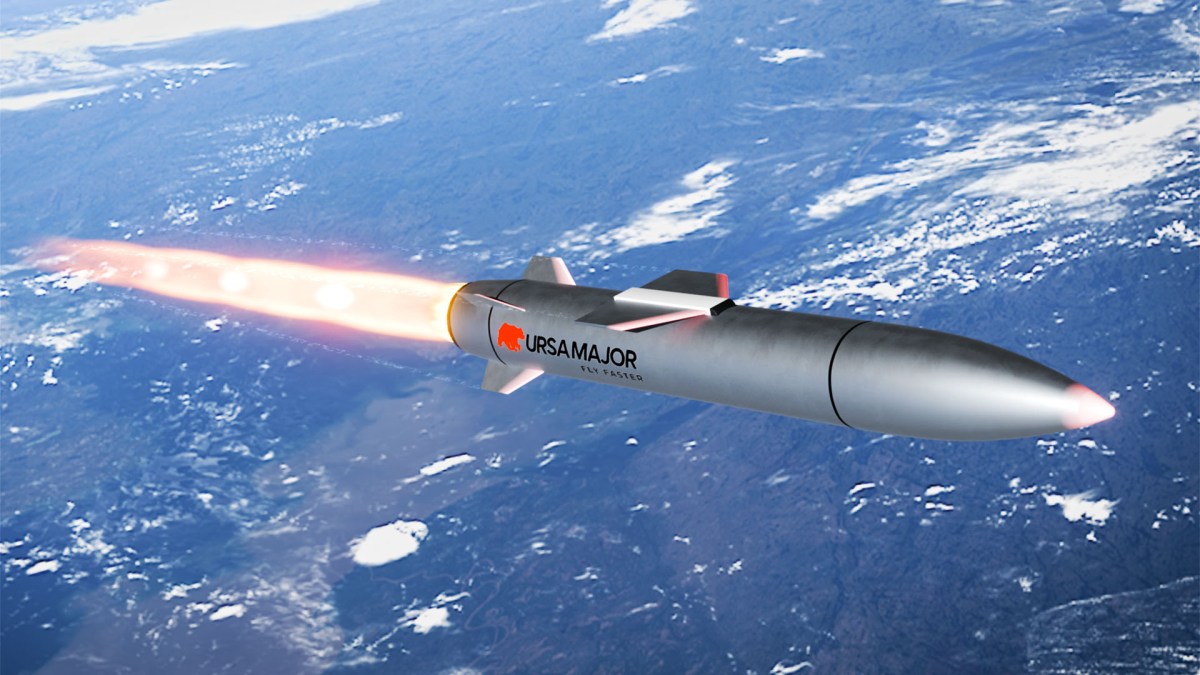
Ursa Major is leveraging advanced additive manufacturing to develop the Havoc hypersonic missile and a new generation of solid rocket motors to address critical U.S. defense munitions shortages. By utilizing AI-enabled metal 3D printing and modular production cells, the company aims to provide affordable, high-performance propulsion systems at scale. This shift toward additive-first design represents a significant evolution in aerospace manufacturing, moving away from traditional, rigid production methods to more flexible and rapid replenishment cycles for high-speed weaponry.
Ursa Major has unveiled Havoc, a hypersonic missile featuring a unique 3D-printed propulsion system designed for low-cost and high-effect performance. CEO Chris Spagnoletti highlights that the company is transitioning from a propulsion provider to a prime contractor, focusing on solving the desperate need for affordable high-speed missiles. The firm’s approach centers on AI-enabled metal 3D printing, which has already supported the production of hundreds of engines and over 135,000 seconds of hotfire test time within the last decade. This strategy is specifically tailored to overcome the prolonged replenishment timelines currently straining the U.S. defense industrial base.
Beyond liquid engines, Ursa Major is applying additive manufacturing to solid rocket motors (SRMs), a sector historically reliant on traditional manufacturing. The company’s method utilizes modular tooling and software-backed production cells to enable rapid switching between SRM variants without the need for expensive retooling. This additive-centric approach is complemented by highly-loaded grain technology, which increases motor performance and range without expanding the physical size of the motor. By leveraging common architectures and using a limited set of qualified propellants, the company intends to reduce qualification timelines and simplify production across multiple missile variants.
The integration of 3D printing into hypersonic propulsion marks a shift toward design for manufacturability, where complex systems are engineered to be produced as reliably and cheaply as possible. Spagnoletti emphasizes that this innovation is necessary for the United States to catch up in the hypersonics race by expanding domestic capacity and reducing dependence on fragile supply chains. The use of additive manufacturing allows for a more resilient and flexible industrial base, capable of scaling production to meet the demands of modern warfare. Co-founder Nick Doucette notes that this culture of building and scaling through advanced manufacturing is deeply embedded in the company’s operational DNA.
Summary generated by RabbitReport AI from public reporting. The full article and original reporting belong to TWZ.