Rotary Club Presentation Highlights New $90 Million Waste Management Recycling Facility in South Florida
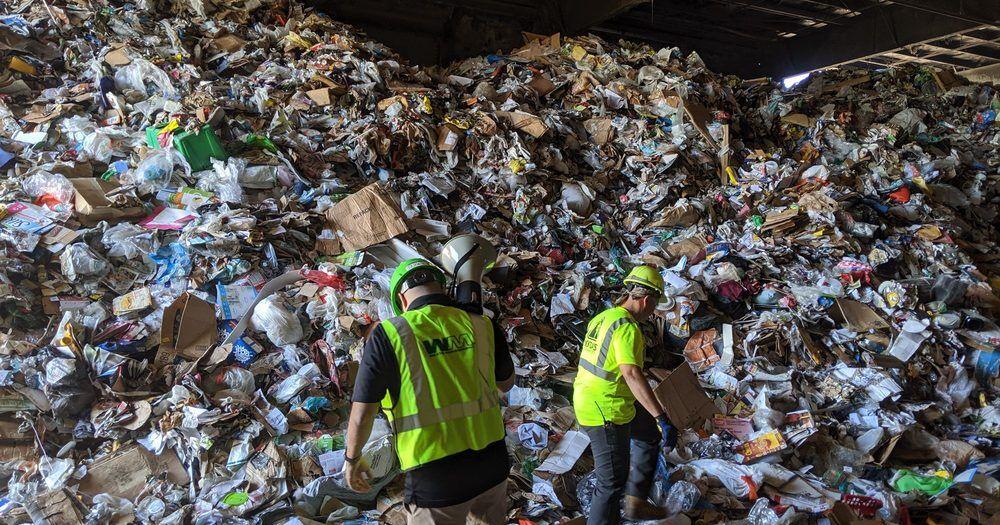
Helena Iturralde, director of the sustainability nonprofit A Zero Waste Culture, recently briefed the Rotary Club of Key Biscayne on the operations of Waste Management’s new $90 million recycling facility in Pembroke Pines. The facility, which opened in February, serves four South Florida counties and utilizes advanced AI technology to process up to 275,000 tons of material annually. The presentation emphasized that while high-tech infrastructure is expanding, its efficiency remains heavily dependent on reducing consumer contamination and improving local disposal habits.
The new Waste Management recycling facility in west Pembroke Pines represents a major $90 million investment in regional infrastructure, designed to service Miami-Dade, Broward, Monroe, and Collier counties. Since its opening in February, the plant has reached a processing capacity of 60 tons per hour, with an annual target of 275,000 tons of material. To achieve these volumes, the facility employs cutting-edge technology, including AI sensors and air gusts to automatically separate paper and cardboard from the waste stream. Iturralde noted that the facility is moving toward AI-generated monitoring, which acts as a form of "trash police" to identify improper materials inside bins before they are processed.
Contamination remains the primary obstacle to the facility's efficiency, as improper items can damage expensive machinery or ruin batches of recyclables. During the presentation, Christian Tribie shared images of non-recyclable items found in local bins, including chairs, cinder blocks, and helium tanks. Iturralde highlighted that even common items like oily pizza scraps can compromise the system. The AI technology integrated into the plant allows operators to see what is inside a bin and potentially leave it uncollected if it contains prohibited materials, shifting the burden of proper sorting back to the consumer.
The impact of these operational challenges is being felt at the community level, where leaders are seeking ways to improve compliance and education. At The Square shopping center, property management leader Michele Estevez reported that cameras were installed to monitor recycling bins for contamination; businesses caught violating rules were charged $450, a fee typically collected by Waste Management from violators. To combat "wish-cycling"—the practice of tossing items into bins hoping they can be recycled—Iturralde suggested that communities like Key Biscayne should adopt clearer labeling or multi-stream bins for specific materials like aluminum and plastic, similar to systems used in San Francisco.
Ultimately, the facility's goal is to ensure that waste is recovered for reuse rather than being sent to landfills or incinerators. Iturralde urged residents and business owners to move beyond convenience and become more intentional about their disposal habits. While the new Pembroke Pines plant provides the technological capacity for large-scale recovery, the success of the regional recycling program depends on the participation of restaurant owners, condo dwellers, and local haulers like Great Waste to provide clean, properly sorted materials.
Summary generated by RabbitReport AI from public reporting. The full article and original reporting belong to IslanderNews.com.