Synthetic Biology: Engineering Life
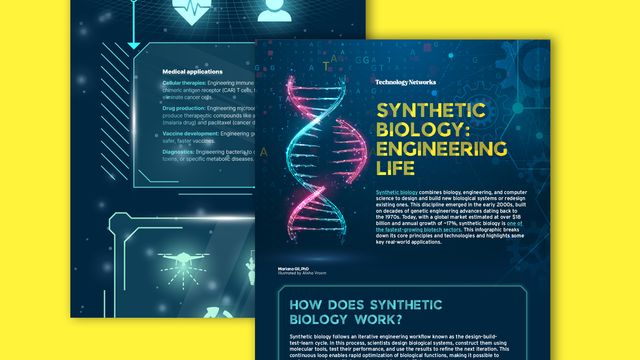
The synthetic biology sector is currently being reshaped by the convergence of biological sciences, engineering, and computational design. This interdisciplinary approach aims to streamline the engineering of biological systems, though significant challenges remain in achieving predictable results. Understanding these shifts is critical for researchers and industry leaders looking to advance the predictability of complex biological processes.
Technology Networks has released a new industry infographic titled "Synthetic Biology: Engineering Life," which examines the current state of biological system engineering. The publication notes that the field is being fundamentally reshaped through the integration of biological sciences, engineering principles, and computational design. This multidisciplinary approach is aimed at creating a more robust framework for researchers working within the synthetic biology sector to develop new applications.
A central theme of the report is the ongoing challenge of achieving predictability within the field. While the combination of engineering and computational tools offers a path forward, the source notes that translating complex biological processes into predictable outcomes remains a significant hurdle. Addressing this complexity is vital for the industry to realize the full potential of engineered biological systems in commercial and clinical settings.
The analysis was authored by Mariana Gil, PhD, the Custom Content Manager at Technology Networks, who holds a doctorate from the Free University of Berlin. Dr. Gil’s background includes nearly two decades in academia before transitioning to science communication in 2021. This expertise is part of the publisher's broader focus on providing technical insights across various domains, including biopharma, genomics research, and immunology, through formats such as webinars, whitepapers, and expert sessions.
Summary generated by RabbitReport AI from public reporting. The full article and original reporting belong to Technology Networks.