Last-minute launch problem delays satellite rescue mission for NASA
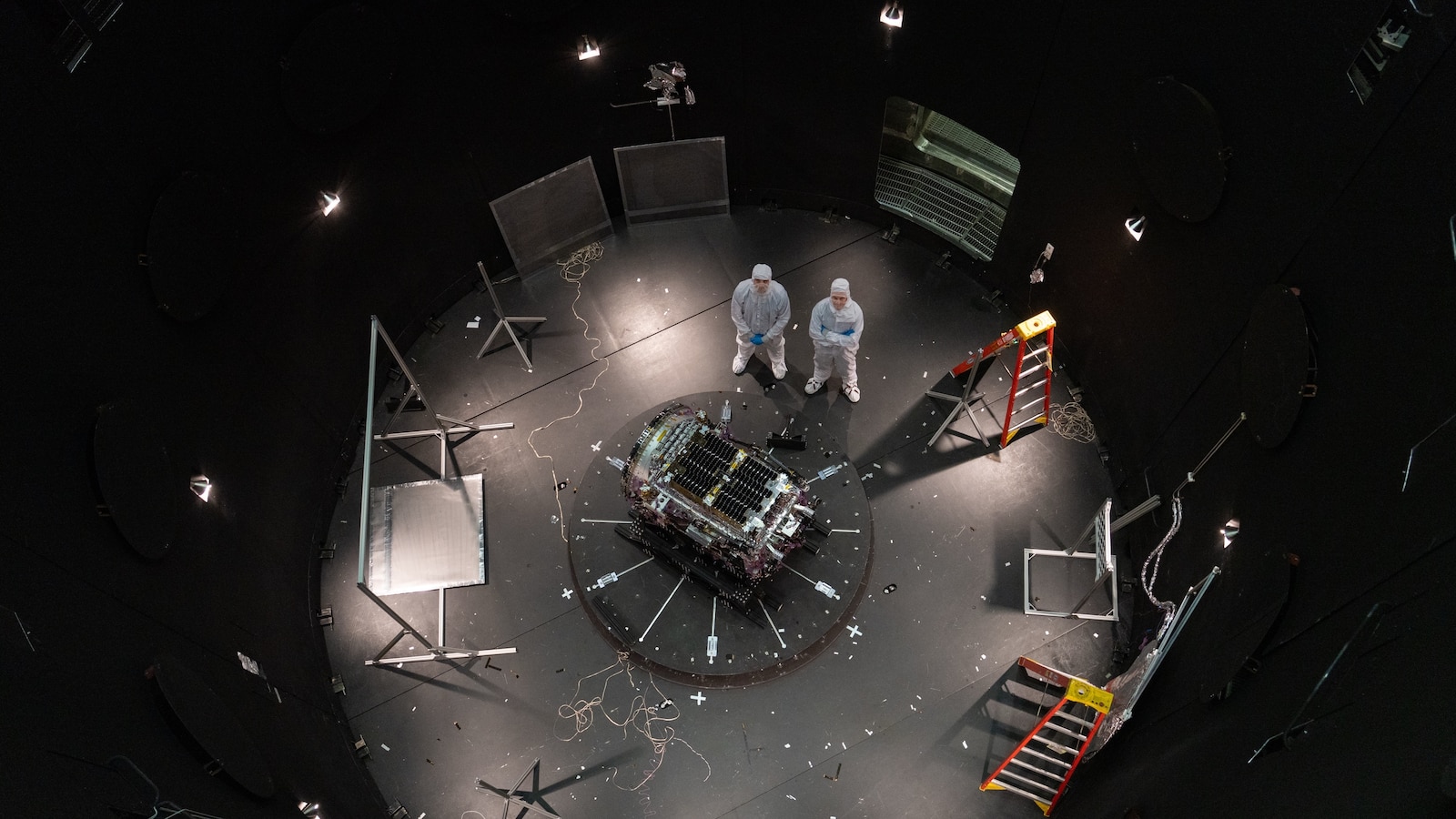
A critical mission to rescue NASA’s Swift Observatory has been delayed following a last-minute software issue during a launch attempt from the Marshall Islands. The $30 million salvage operation, led by Katalyst Space Technologies, aims to deploy a robotic spacecraft to stabilize the telescope before it re-enters the atmosphere this October. This mission represents a high-stakes effort in the space technology sector to extend the life of aging orbital assets through commercial servicing.
Northrop Grumman’s rocket-launching plane took off from the Marshall Islands in the Pacific on Thursday following a week of weather delays, but a software issue resulted in an abort. The Pegasus rocket remained strapped to the aircraft's belly during the incident, which NASA reports has since been resolved. While a subsequent launch attempt was initially discussed for Friday, the mission currently remains grounded as officials work to finalize a new schedule for the salvage operation.
The rescue mission targets the Swift Observatory, a NASA telescope launched in 2004 that has been instrumental in detecting thousands of gamma-ray bursts and exploding stars. NASA recently paused Swift's science operations to preserve its orbit for as long as possible, as the satellite is currently on track to crash back to Earth by October if no intervention occurs. To prevent this, the space agency hired Katalyst Space Technologies last September to execute a $30 million salvage operation using a specialized three-armed robotic spacecraft.
The spacecraft was developed by a team including principal investigator Kieran Wilson and space systems engineer Hunter Robertson, who conducted rigorous thermal vacuum testing at NASA’s Goddard Space Flight Center in Greenbelt, Maryland. The mission's success is vital for the continued scanning of the universe, as Swift provides critical data that tips off other telescopes for detailed observations of cosmic events. This commercial partnership underscores the industry's shift toward utilizing private sector robotics to maintain and extend the operational lifespan of legacy space infrastructure.
Summary generated by RabbitReport AI from public reporting. The full article and original reporting belong to ABC News - Breaking News, Latest News and Videos.