State legislatures mull remittance restrictions
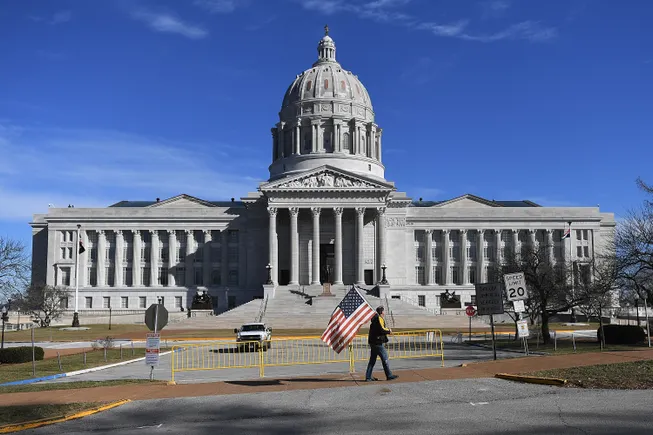
Lawmakers in Florida and Missouri are advancing legislation that would prohibit money transfer firms from providing services to individuals identified as unauthorized aliens. These bills require companies to verify the legal status of senders and submit quarterly reports to state regulators to ensure compliance. The proposed measures represent a potential shift in state-level oversight, introducing significant new compliance requirements and financial penalties for the global remittance industry.
The pending legislation in Florida and Missouri would bar money transfer licensees from initiating foreign remittance transfers unless they have verified that the sender is not an unauthorized alien. To enforce this, the bills require companies to provide state divisions with confirmation of these verifications using specific state-developed forms. These reports must be submitted no later than the 15th day of the month following the close of each calendar quarter, creating a recurring administrative obligation for all licensed providers.
The financial stakes for non-compliance are substantial, as the proposed laws mandate a penalty equal to 25% of the principal amount sent in any prohibited transfer, not including transaction fees. This regulatory push affects a broad spectrum of the industry, from legacy providers like MoneyGram and Western Union to newer digital entrants such as Wise and Remitly. While some proponents argue the bills defend taxpayers and free-market principles, the legislation has sparked significant concern regarding the role of financial institutions in immigration enforcement.
The American Fintech Council (AFC) has formally opposed the bills, with CEO Phil Goldfeder stating that remittance providers are already subject to rigorous state and federal oversight. Goldfeder argued that the proposals would force companies to perform verification tasks they are not authorized or equipped to handle, potentially driving users away from regulated systems. According to the AFC, these barriers could weaken the very financial monitoring systems that law enforcement relies on to detect and prevent illicit activity within the payments sector.
Summary generated by RabbitReport AI from public reporting. The full article and original reporting belong to Payments Dive.