Choosing Orbits: China’s Space Diplomacy in the Middle East
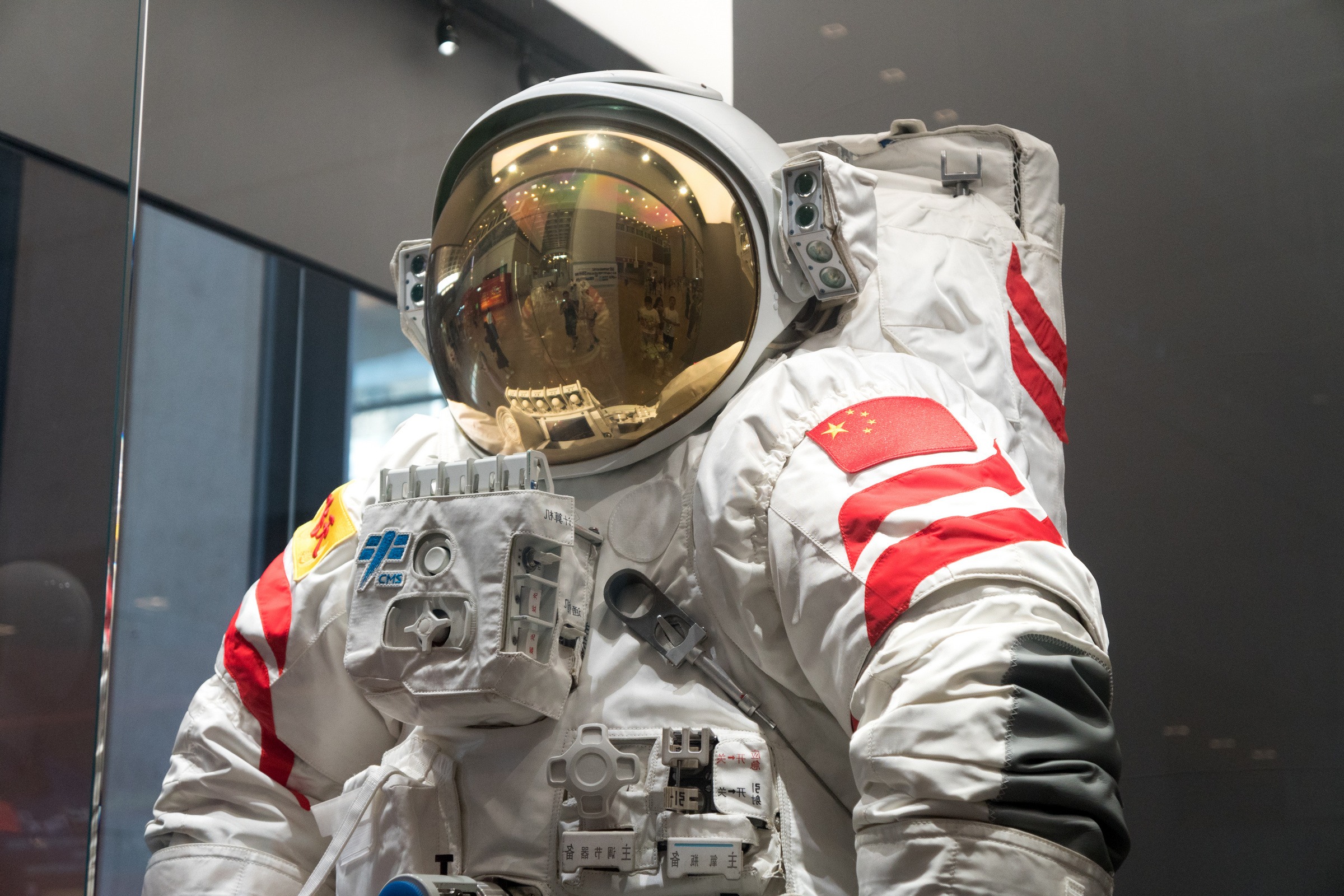
China is increasingly utilizing space diplomacy as a strategic tool to forge partnerships in the Middle East and North Africa (MENA), specifically targeting influential regional actors like Egypt, the United Arab Emirates, and Iran. This shift represents a significant challenge to traditional U.S. influence in the region as Beijing offers access to sensitive dual-use technologies and high-visibility prestige projects. For the space technology sector, this competition is shaping the future of international cooperation, influencing whether nations align with the U.S.-led Artemis Accords or the China-Russia International Lunar Research Station (ILRS).
China’s regional strategy in the Middle East leverages space activities to advance its geopolitical interests and build technological partnerships that could reshape global alignments. According to analysts R. Lincoln Hines, Lawrence Rubin, and Dayana Alagirova, Beijing tailors its outreach to prioritize states with advancing technological capabilities while navigating international pressures. This diplomacy is particularly effective because China often positions itself as a more accessible partner than the United States, which frequently employs restrictive export controls to protect its technological edge. By providing symbolic capital through high-visibility prestige projects, China helps regional regimes legitimize their rule domestically while pursuing economic diversification and national development goals.
Middle Eastern states, including the UAE and Egypt, are engaging in a complex balancing act by maintaining security ties with the U.S. while seeking technological benefits from China. These nations often pursue what is described as hybrid alignment, relying on the U.S. for regional security but turning to China for technological development and regime security. The dual-use nature of space technology, such as remote sensing satellites, allows these countries to acquire sensitive capabilities for environmental monitoring or intelligence gathering without overtly challenging established powers. Even under the pressure of U.S. export controls, countries like the UAE have found creative methods to continue their cooperation with the People’s Republic of China (PRC) to ensure they receive the best deal from competing great powers.
The competition between the U.S. and China in the MENA region has profound implications for the future of space governance and international norms. As the U.S. promotes the Artemis Accords, China and Russia are actively recruiting partners for their rival International Lunar Research Station (ILRS). The success of China’s space diplomacy could dictate the rules governing outer space for decades to come, especially if U.S. policies continue to raise barriers to international collaboration through restrictive technology sharing. This dynamic forces non-great powers to seek selective alignment across domains, potentially shifting the center of gravity for space innovation and cooperation toward Beijing’s orbit as it offers fewer costs for exporting sensitive technologies compared to established powers.
Summary generated by RabbitReport AI from public reporting. The full article and original reporting belong to Texas National Security Review.