A fake beluga escape story on social media is a reminder of the hazards of misinformation
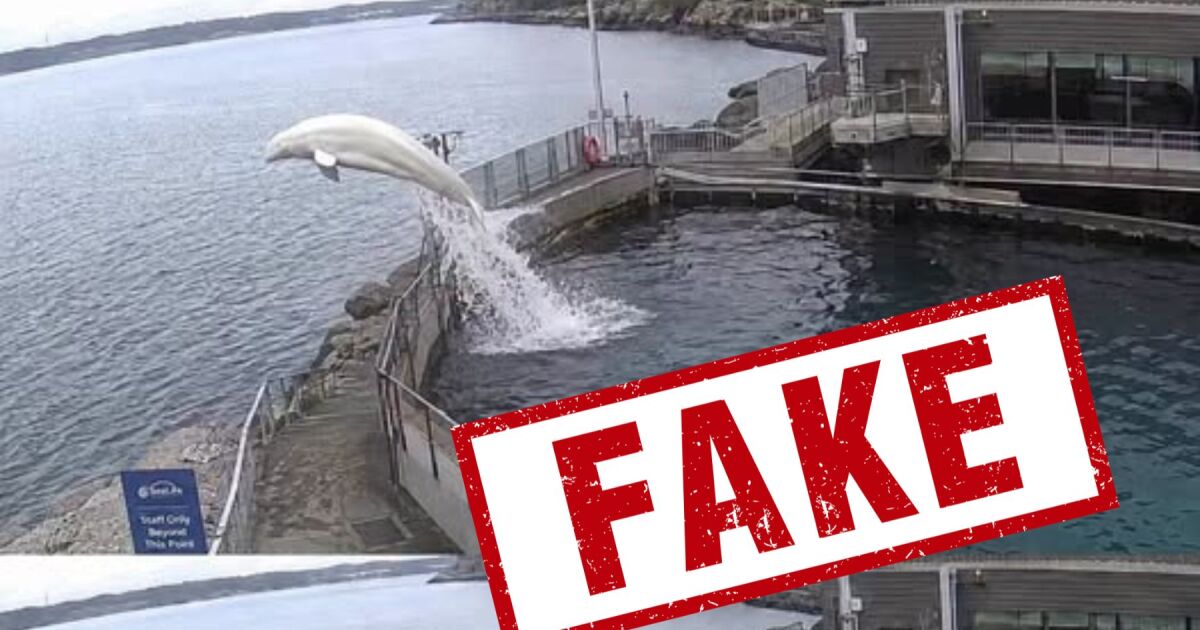
A viral social media post featuring an AI-generated image of a beluga whale escaping a research facility has highlighted the growing challenge of misinformation on digital platforms. The post, which garnered nearly 6 million views on Instagram alone, falsely claimed a whale escaped from a Seward, Alaska, facility to reunite with its calf. This incident underscores the speed at which AI-driven falsehoods can spread and the potential for such content to disrupt the operations and reputations of legitimate organizations.
The Alaska SeaLife Center, the only research facility with a public aquarium in Seward, recently debunked a viral social media narrative involving a beluga whale's supposed escape. The misinformation centered on an AI-generated image depicting a Cook Inlet beluga mother jumping over an enclosure to return to the sea. Despite the emotional appeal of the story, which claimed the whale was reuniting with its calf, the SeaLife Center confirmed that no such event occurred in its 25-year history and that the scenario itself is impossible within their facility.
The reach of the misinformation was significant, with one specific Instagram post accumulating close to 6 million views and being shared across multiple social media pages. Kaiti Grant, communications manager for the Alaska SeaLife Center, noted that the facility received multiple calls from the public shortly after the post began to spread. While she appreciated the public's concern, she emphasized that the fabricated story was a major concern because it did not reflect the reality of the center's operations or the actual status of the animals in their care.
The incident highlights the potential for digital misinformation to damage the reputation and credibility of specialized organizations. Because the SeaLife Center is a nonprofit that relies heavily on supporter funding and public trust, Grant explained that misinformation could negatively influence donor opinions and overshadow legitimate research, wildlife rehabilitation, and education efforts. The center takes pride in its transparency, and the spread of false narratives creates a shadow over the important work being conducted by their team.
Marketing experts suggest that this case is part of a growing trend where AI-generated content is used to drive engagement regardless of its accuracy. Yong Cao, a Professor of Marketing at the University of Alaska Anchorage, observed that some accounts knowingly share misinformation for various reasons, making it harder for users to discern reality. Cao noted that while organizations have the option to take legal action against such claims, the process is often too costly and time-consuming, making direct public communication and official statements the preferred method for addressing viral rumors.
Summary generated by RabbitReport AI from public reporting. The full article and original reporting belong to Alaska Public Media.