Americans Are in Denial About Elder Care
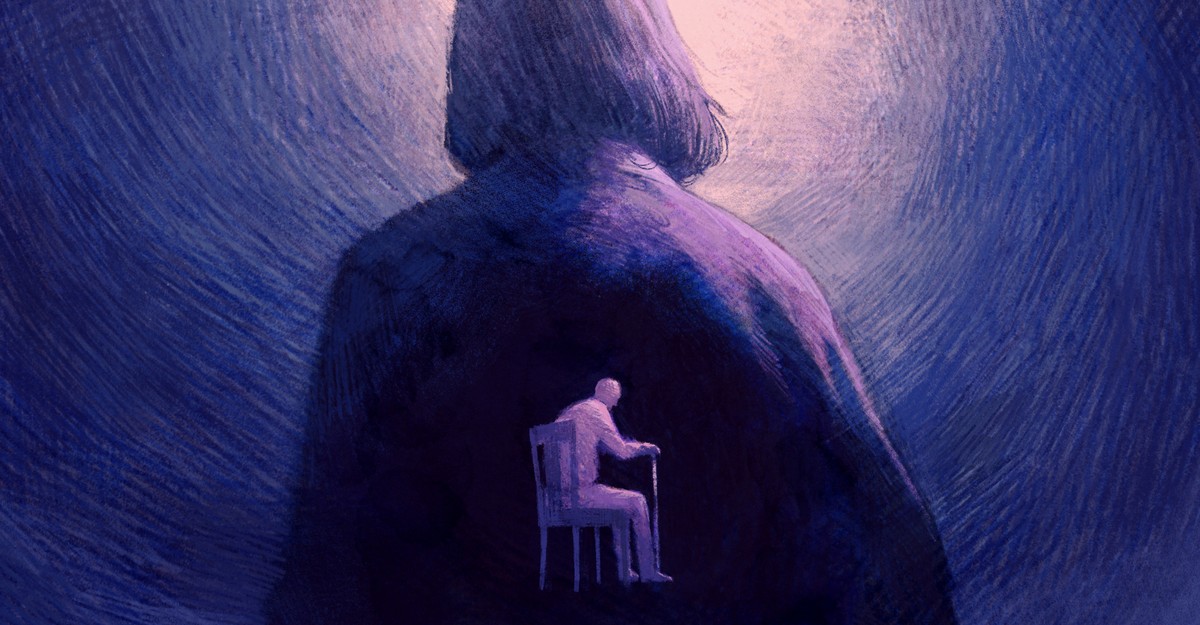
A significant gap exists between public expectations and the reality of long-term care, as many Americans mistakenly believe that professional services can entirely replace the role of family in old age. Even in countries with the world’s most generous public funding for elder care, such as the Netherlands, informal support from kin remains a primary necessity for the majority of seniors. This reliance on family care creates a looming crisis for the aging sector as demographic shifts, including rising rates of childlessness and geographic distance between generations, threaten the traditional support systems that seniors depend on.
The article highlights a stark contrast between the United States and the Netherlands to illustrate that even robust public funding does not eliminate the need for family caregiving. While the Netherlands spends 4.1 percent of its GDP on formal elder-care services—compared to just 1.3 percent in the U.S.—nearly half of Dutch seniors still rely on informal care from family and friends. In the United States, the situation is more extreme: more than 80 percent of Americans over 65 who need care depend on kin, and approximately two-thirds rely solely on unpaid informal care. This data suggests that even if the U.S. were to significantly scale up formal services, the involvement of family members would likely remain a critical component of the care infrastructure.
Experts note that several misconceptions fuel American denial about aging, particularly the "Grandpa Simpson" stereotype that most seniors eventually move into nursing homes. Deborah Carr, a sociologist at Boston University, points out that the actual proportion of older adults living in nursing homes is very small, and family involvement remains high even in residential settings. Emily Kenway, a social-policy researcher and author of Who Cares, explains that many seniors are deeply resistant to professional help or moving into facilities due to the psychological difficulty of accepting vulnerability. Cognitive impairments can also make the introduction of strangers or new environments frightening, further cementing the role of family as the preferred providers of care.
The sustainability of this informal care model is being challenged by shifting social and demographic trends. Hwajung Choi, an associate professor at the University of Michigan, has found that the proximity of adult children is a decisive factor in care delivery; care levels drop off steeply if a child lives more than five miles away. Additionally, the number of older adults with unmet daily care needs is projected to grow by more than 30 percent by 2050, driven by an increasing number of Americans who do not have spouses or children to rely on. As society experiences a broader retreat into isolation and a decline in community institutions, the senior care sector faces a future where the traditional family safety net is increasingly fragile and overextended.
Summary generated by RabbitReport AI from public reporting. The full article and original reporting belong to The Atlantic.