U.S. mortgage rates are staying high
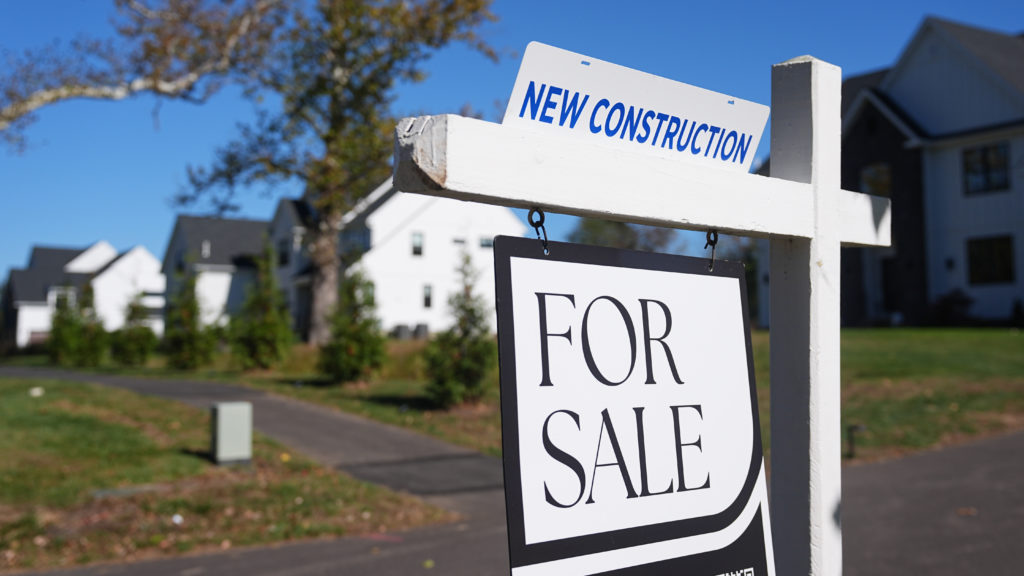
The 30-year fixed mortgage rate reached an average of 6.48% in June 2026, marking a sharp increase from the 6% levels recorded earlier in the year. This persistence in high borrowing costs remains a significant headwind for the residential mortgage sector, as it stifles both home purchasing and refinancing activity. The trend underscores the limited influence of Federal Reserve policy on long-term mortgage rates, which are instead being driven by market-based factors such as inflation uncertainty and rising federal deficits.
According to data from Freddie Mac, the 30-year mortgage rate averaged 6.48% as of June 4, 2026, representing a notable jump from the 6% rates seen in February. This rise comes despite a series of Federal Reserve rate cuts in 2024 and 2025 and public pressure from President Donald Trump for further reductions. The new Fed chief, Kevin Warsh, has also shifted toward a pro-rate-cut stance since his nomination, yet mortgage rates remain decoupled from the federal funds rate because they are dictated by long-term investor expectations regarding inflation and economic growth.
A major contributor to the elevated rates is the federal government's fiscal outlook, with the Congressional Budget Office projecting significant deficits. Specifically, the 2025 tax and immigration bill is estimated to add $3.4 trillion to federal deficits through 2034, requiring the U.S. Treasury to issue massive amounts of debt. As the supply of Treasury bonds increases, yields rise to attract investors, and because mortgage rates closely track the 10-year U.S. Treasury note, home borrowing costs have moved upward in tandem with government yields.
Beyond government debt, the mortgage market is facing increased spreads—the difference between Treasury yields and mortgage rates—due to prepayment risks. Investors in mortgage-backed securities demand higher premiums because they anticipate a wave of refinancing if rates eventually fall, which would cut into their expected returns. While current rates feel high compared to the sub-3% lows of 2020 and 2021, they are historically consistent with the 6% to 8% range seen throughout the 1990s and early 2000s, suggesting that the market is returning to a long-term historical norm.
Summary generated by RabbitReport AI from public reporting. The full article and original reporting belong to PBS.