LA Uses World Cup to Showcase Upgraded Public Transit and Test Car-Free Olympics Strategy
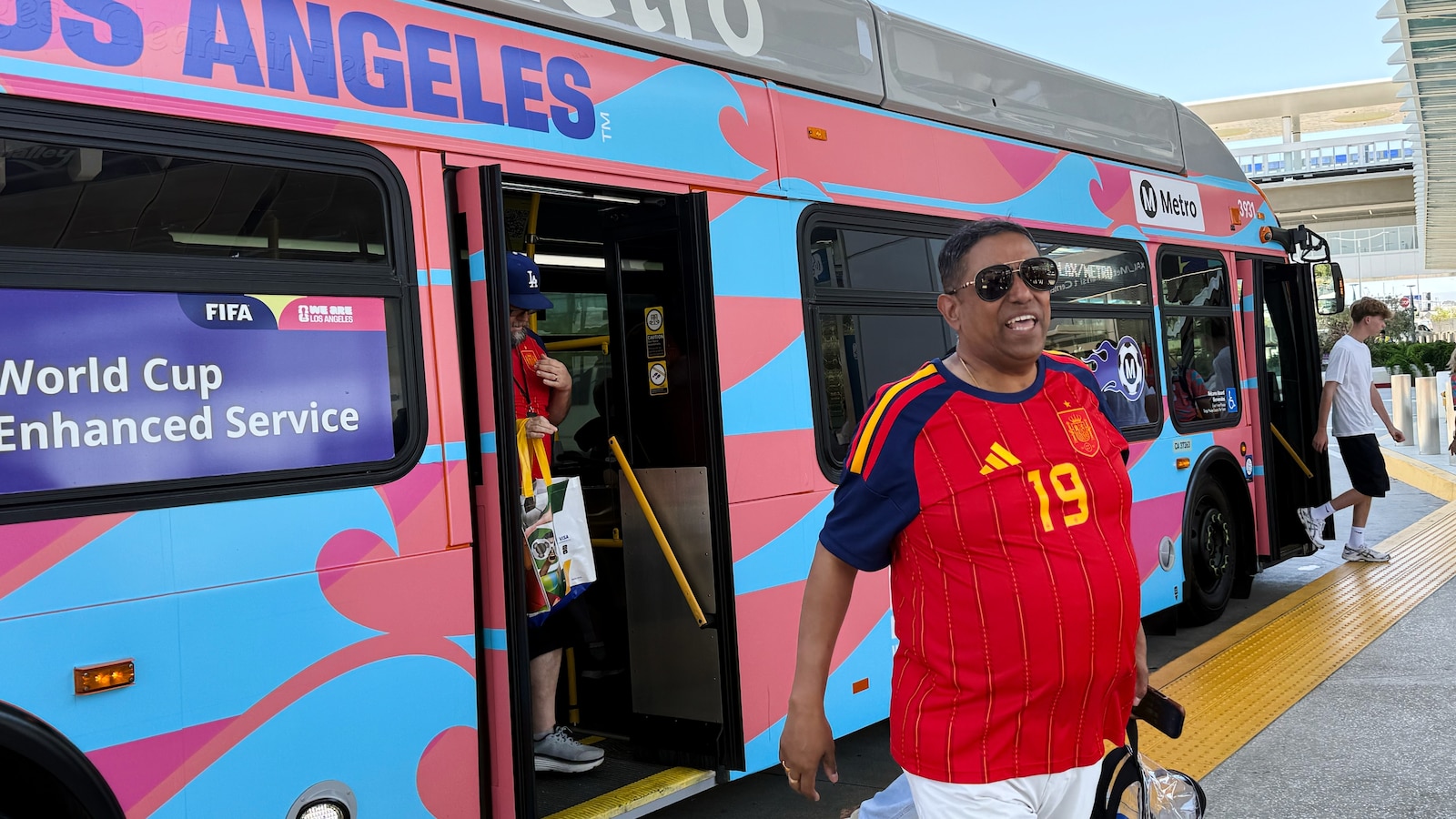
Los Angeles officials are utilizing the 2026 FIFA World Cup as a critical testing ground for the region's public transit infrastructure ahead of the 2028 "no car" Olympic Games. The LA Metro has implemented extensive shuttle services and increased rail capacity to manage crowds for the eight World Cup matches hosted in the area, including a July 2 game that saw nearly 50,000 rail rides. This initiative aims to shift public perception of the system in a historically car-centric city while addressing long-standing concerns regarding safety, reliability, and connectivity.
During the July 2 World Cup match between Spain and Austria, LA Metro recorded nearly 50,000 rail rides and more than 30,000 shuttle trips, marking a significant milestone for the agency. Because SoFi Stadium in Inglewood lacks a direct rail connection, Metro established 15 dedicated shuttle lines to ferry fans from major transit hubs and rail stations, with the longest route taking approximately one hour and 15 minutes. To meet the surge in demand for the tournament, the agency borrowed approximately 200 buses, a logistical feat that officials expect will need to scale up to 3,000 borrowed vehicles for the 2028 Olympic Games.
The agency is currently working to overcome a public reputation for being unreliable or unsafe, which has been fueled by high-profile violent incidents and rider concerns regarding drug use, cleanliness, and homelessness. In a major structural shift, Metro launched its own dedicated police force in June, with plans for full deployment by 2029 to replace the Los Angeles Police Department's oversight. Agency officials have highlighted data showing a 13.6% decrease in overall crime in March 2026 compared to the previous year, suggesting that the integration of sworn officers with homeless outreach and crisis response teams is beginning to impact system safety.
For the Rail & Public Transit sector, Los Angeles' performance during these mega-events serves as a high-stakes benchmark for transforming a car-dependent metropolis into a transit-oriented one. While LA currently provides about 1 million daily rides—a figure comparable to the smaller city of Chicago but far behind New York City’s 3 million daily riders—the success of the World Cup shuttle model is vital for the 2028 Olympics' mandate, which will offer no parking for attendees at any venues. By partnering with FIFA for fan zones and watch parties, Metro is attempting to reintroduce the system to residents and prove it can function as a viable alternative to the region's notorious traffic.
Summary generated by RabbitReport AI from public reporting. The full article and original reporting belong to ABC News - Breaking News, Latest News and Videos.