Where Does Quantum Computing Stand?
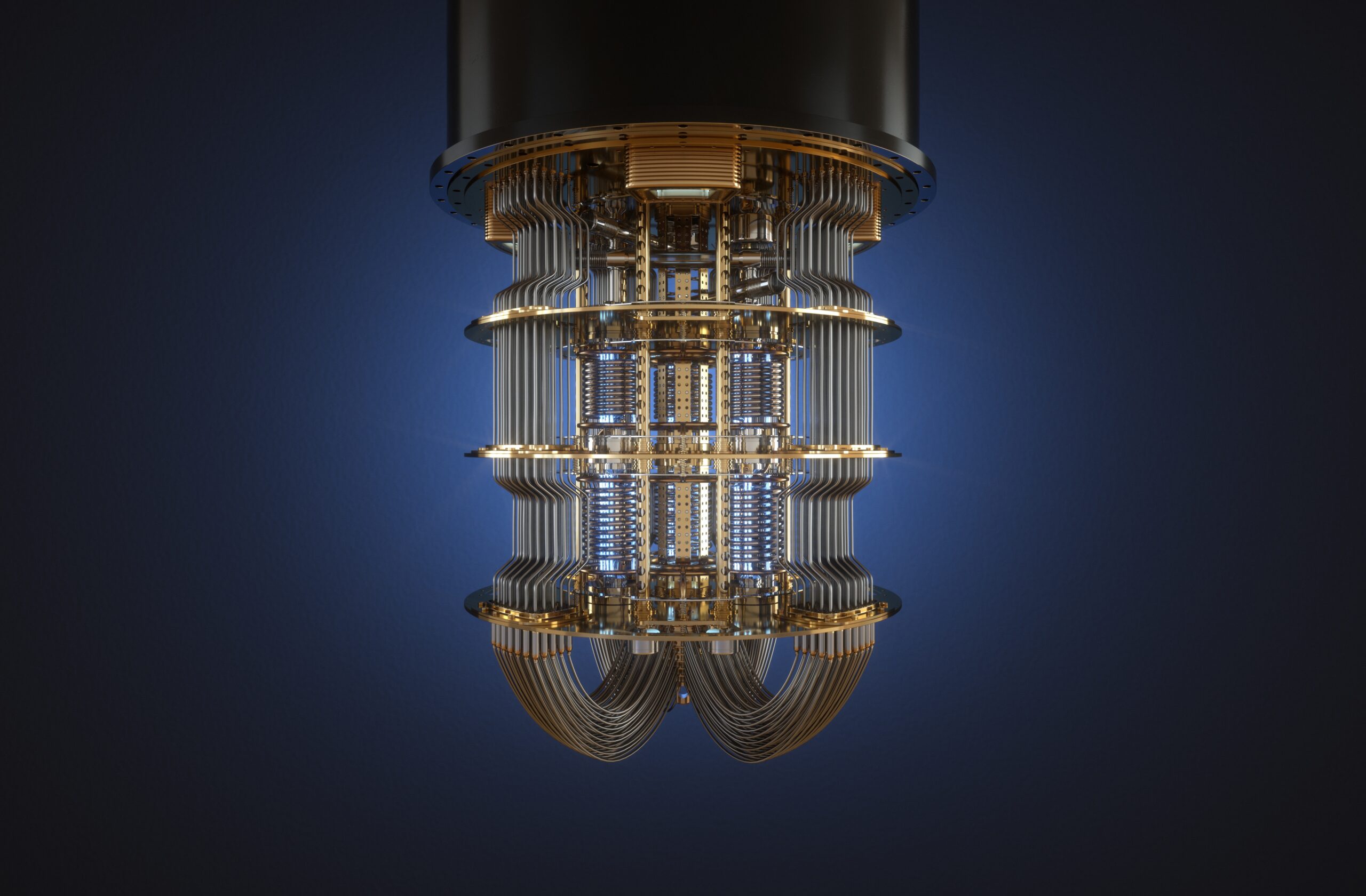
Quantum computing is gradually transitioning from the research phase toward high-volume production, though it remains a complex technology with an uncertain commercial timeline. The industry is currently navigating a period of significant fragmentation as various startups and research groups pursue different hardware implementations and error-correction methods. This evolution is being supported by federal initiatives aimed at bridging gaps in standards, workforce development, and technical roadmaps to establish a viable quantum economy.
The quantum computing sector is currently characterized by a state of 'maximum chaos' as the industry has yet to settle on a standardized approach to hardware or qubits. To address this, the Quantum Economic Development Consortium (QED-C), led by executive director Celia Merzbacher, was established under the 2018 National Quantum Initiative Act to coordinate stakeholders. The consortium now includes 132 member companies, significantly outnumbering the 36 universities and 11 federally funded research centers currently active in the space. QED-C focuses on identifying critical gaps in research, technology, and standards that must be resolved before quantum computing can move into full-scale commercial use.
While quantum computing often receives the most attention, it is part of a broader quantum triad that includes networking and sensing. Quantum networking utilizes entanglement to create theoretically unhackable communication channels, while quantum sensing offers superior accuracy for gravity and magnetism-based tasks in defense and biomedicine. However, the computing side faces a major hurdle in power consumption; although the processors themselves are efficient, the cryogenics required to maintain temperatures at 1 Kelvin demand massive energy. Additionally, the rapid advancement of conventional computing means that some problems once reserved for quantum solutions may now be efficiently handled by existing classical models.
Experts like Merzbacher and SEMI’s Pushkar Apte suggest that quantum computers will likely function as specialized accelerators, or QPUs, working alongside traditional CPUs and GPUs in high-performance computing environments. Rather than general-purpose machines, the first practical systems are expected to be application-specific platforms designed for high-value sectors like drug discovery or military applications. Because of the intensive cooling infrastructure required, quantum hardware is expected to remain housed in centralized data centers. Consequently, most enterprises will likely access quantum power through cloud-based subscription services rather than hosting on-premise units, unless room-temperature operation becomes a reality.
Summary generated by RabbitReport AI from public reporting. The full article and original reporting belong to Semiconductor Engineering.