ETH Zurich Demonstrates Quantum Computer Architecture With Mechanical Working Memory
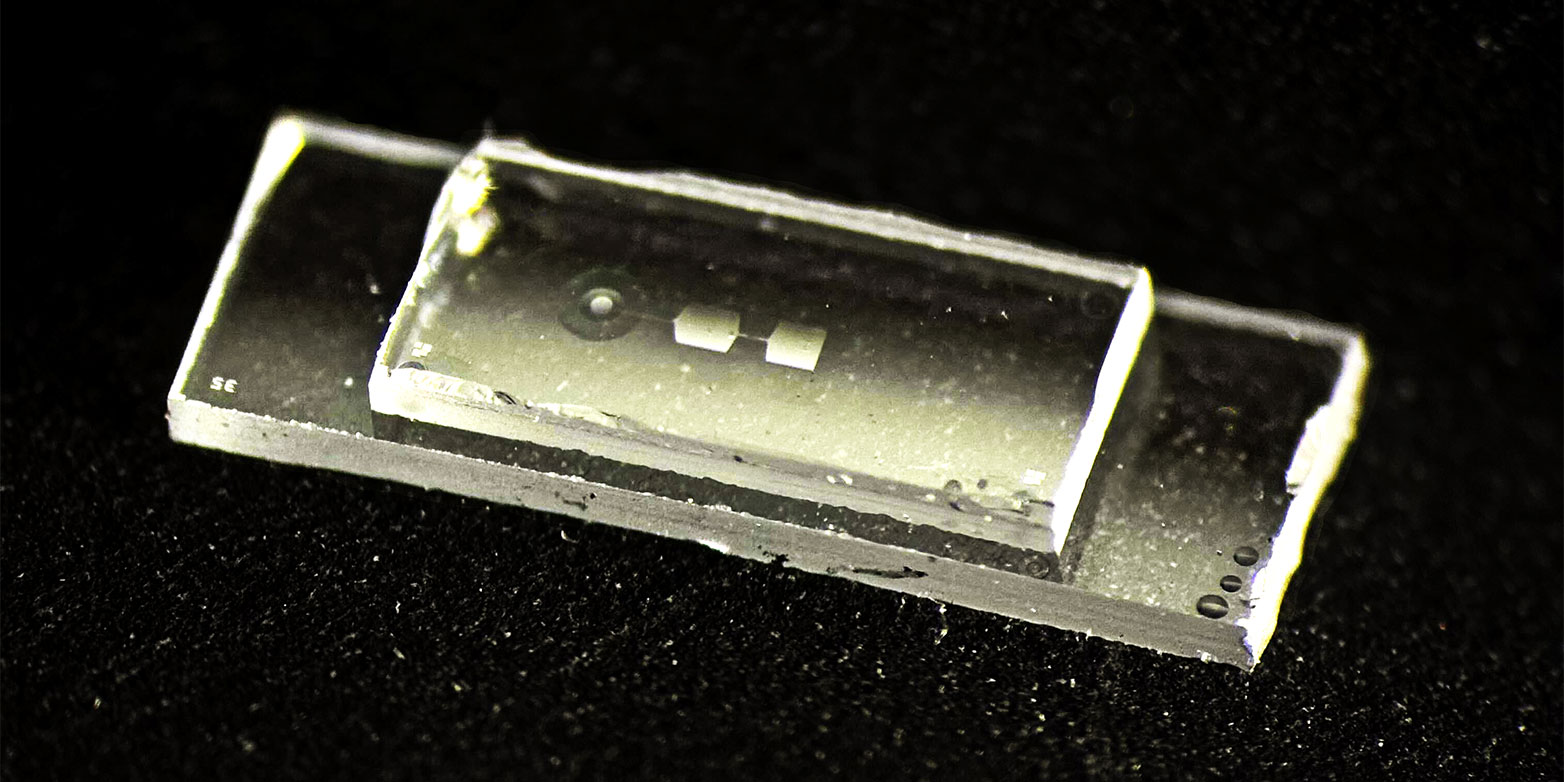
Researchers at ETH Zurich have developed a novel quantum computing architecture that utilizes microscopic mechanical vibrations as a dedicated working memory. By separating the processing unit from the storage component, the design mirrors the traditional CPU and RAM structure of classical digital computers. This breakthrough, published in the journal Science, offers a potential path toward more compact and scalable quantum systems by leveraging the high storage density and extended coherence times of mechanical resonators.
Led by Professor Yiwen Chu, a research team at ETH Zurich has successfully integrated a superconducting qubit processor with a mechanical working memory, as detailed in a recent study published in Science. This architecture deviates from traditional superconducting quantum systems where processing and storage are often tightly integrated. Instead, the ETH Zurich model employs a superconducting qubit to perform calculations while utilizing microscopic mechanical resonators to store data. These resonators function by vibrating at frequencies far beyond human hearing, with information being translated from electromagnetic signals into mechanical vibrations for storage and then retrieved for further processing.
The mechanical memory operates through various vibrational modes within each resonator, which effectively serve as distinct memory locations. These modes allow the system to store multiple pieces of quantum information in states of superposition and entanglement, which are essential for quantum computation. Unlike standard electromagnetic memory, which can occupy significant space on a chip, these mechanical components are considerably smaller. This reduction in size, combined with the ability of a single resonator to support multiple modes, suggests a significant increase in storage density for future quantum processors.
Beyond space efficiency, the ETH Zurich team reports that mechanical vibrations can preserve fragile quantum states for longer durations than current electromagnetic alternatives, thereby extending the effective lifetime of stored information. To validate the architecture's functionality, the researchers implemented benchmark quantum algorithms, demonstrating that the superconducting qubit could successfully retrieve, modify, and rewrite information to the mechanical memory. Professor Chu noted that this interaction provides a crucial foundation for building reliable quantum computers capable of solving complex problems in fields such as chemistry, materials science, and cryptography that are currently beyond the reach of classical hardware.
Summary generated by RabbitReport AI from public reporting. The full article and original reporting belong to The Quantum Insider.