Property-catastrophe reinsurance rates fall up to 25% as capital hits record high
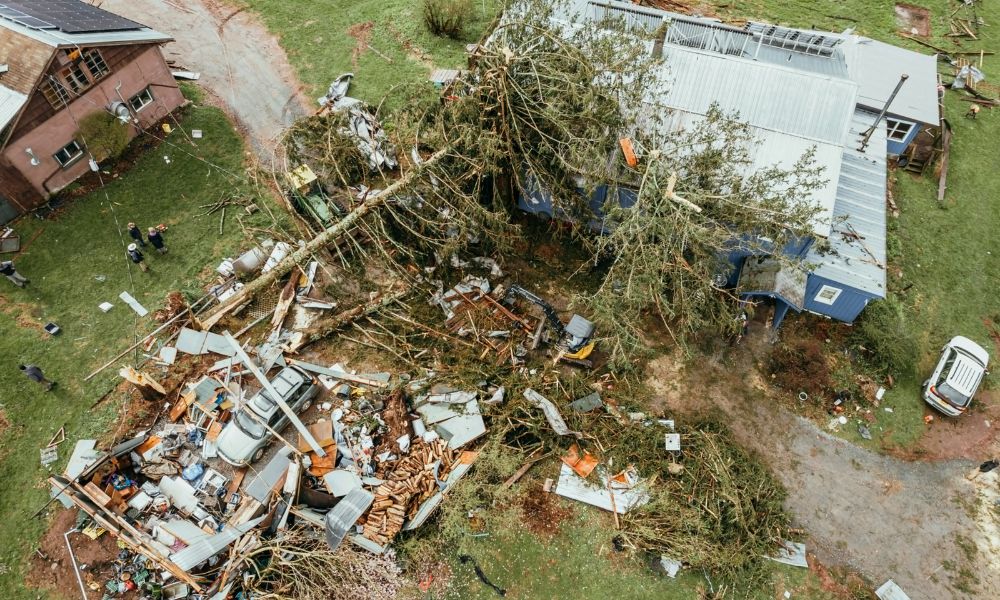
Property-catastrophe reinsurance rates experienced their sharpest decline in years during the first half of 2026, driven by a record $785 billion in reinsurance capital and a benign 2025 loss year. This shift in pricing power toward cedents has resulted in rate reductions of up to 25% across key markets like Florida and the U.S. Southeast. For the property insurance sector, this softening market provides significant relief on risk transfer costs, though experts warn that further price drops could soon challenge the industry's cost of capital.
The reinsurance market entered 2026 with unprecedented capacity, as total capital reached $785 billion at the end of 2025, supported by an 18% surge in third-party capital to approximately $136 billion. This surplus, coupled with a 2025 season that saw no U.S. hurricane landfalls, has triggered aggressive rate competition. According to reports from Howden Re and Guy Carpenter, risk-adjusted rates-on-line fell by 14.7% in January, with even steeper declines of 15% to 25% recorded during the June 1 renewals for Florida and the U.S. Southeast. Florida Citizens Property Insurance Corporation exemplified this trend, finalizing its $2.816 billion risk transfer program at rates roughly 30% cheaper than the previous year.
Despite the significant softening in price, brokers noted that reinsurers maintained structural discipline by holding attachment points and terms steady. However, capacity has returned to previously restricted areas, including aggregate covers, prepaid reinstatements, and cascading all-perils coverage. The catastrophe bond market has mirrored this softening, with year-to-date issuance surpassing $16 billion by early June 2026 and pricing dropping more than 20% year-on-year. Investor appetite remains robust, with a Gallagher survey indicating that 90% of investors plan to increase their insurance-linked securities (ILS) allocations over the next two years.
While the immediate outlook for property insurers is favorable due to lower reinsurance costs and a below-average hurricane forecast from Colorado State University, industry leaders caution against over-correction. David Flandro of Howden Re warned that if pricing continues to decline at this magnitude, segments of the industry could fall below their cost of capital by 2027. Additionally, while property-cat rates are falling, the casualty ILS market remains constrained by high deal execution hurdles and a lack of standardized templates. The exit of three large reinsurers from the U.S. medical market during the June renewal further highlights shifting dynamics that may eventually force a reliance on alternative captive solutions.
Summary generated by RabbitReport AI from public reporting. The full article and original reporting belong to Insurance Business.