Extreme weather reshaping Canada’s home insurance market
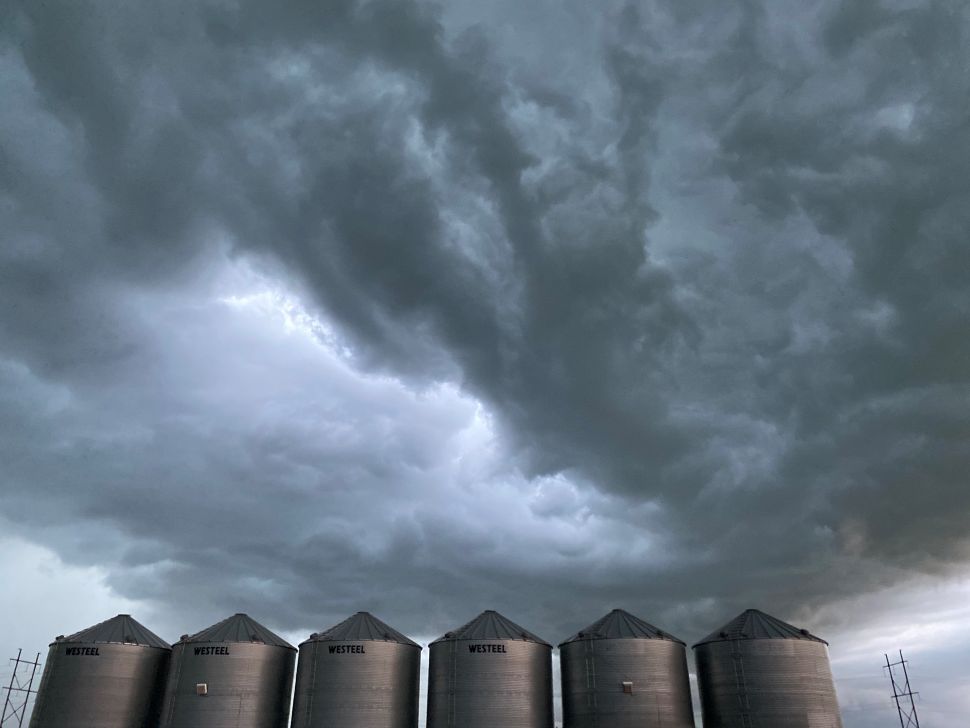
A new Statistics Canada report reveals that extreme weather events are placing significant pressure on the country's home insurance market, leading to a surge in claims costs and premium hikes. The analysis indicates that natural disasters are becoming more frequent and severe, causing insurers to pay out billions annually in weather-related claims. This trend is reshaping the financial landscape for both insurers and households, necessitating a shift toward climate adaptation and resilient infrastructure.
According to the Statistics Canada report, "Extreme weather impacts on consumers and insurers in Canada, December 2019 to December 2025," catastrophic weather-related claims have surged dramatically in recent decades. Since 2009, insurers have paid an average of nearly $2 billion per year in such claims, a sharp increase from the $400 million annual average recorded between 1983 and 2008. Recent years have seen record-breaking figures, with insured losses reaching $3.4 billion in 2022 and a staggering $9.4 billion in 2024.
The Insurance Bureau of Canada (IBC) notes that natural catastrophes are no longer rare occurrences, as four of the last five years now rank among the ten costliest on record. Liam McGuinty, IBC vice-president of federal affairs, emphasized that these events are fundamentally reshaping the home insurance landscape from coast to coast. Consequently, home insurance premiums have risen faster than the rate of inflation, driven by both the increased frequency of disasters and the escalating costs associated with rebuilding damaged properties.
To mitigate these rising costs and financial risks, the IBC is calling for urgent government intervention focused on resilience and adaptation. Recommendations include providing incentives for homeowners to perform affordable upgrades, implementing stricter land-use planning to avoid construction in high-risk flood and wildfire zones, and investing in resilient infrastructure. Furthermore, the bureau advocates for stronger building codes, improved construction standards, and enhanced public education to help residents and businesses better understand and manage their exposure to extreme weather risks.
Summary generated by RabbitReport AI from public reporting. The full article and original reporting belong to WestCentralOnline.