US Probes Germany's 'Persistent Underpayment' for Drugs
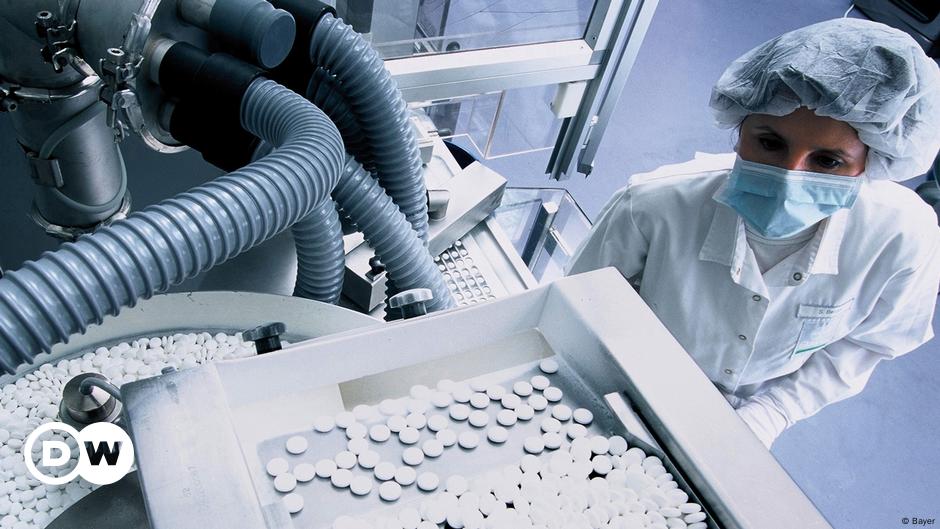
The United States Trade Representative has launched a Section 301 investigation into Germany to determine if the country's pricing policies for innovative pharmaceutical products unfairly burden U.S. commerce. This probe follows concerns that American patients are disproportionately funding global research and development while international partners reduce their spending through restrictive healthcare reforms. The investigation marks a significant escalation in trade tensions regarding drug pricing and could impact future pharmaceutical investment and market access in Europe.
US Trade Representative Jamieson Greer announced the investigation under Section 301 of the Trade Act of 1974, targeting what he described as "persistent underpayment" for innovative drugs by the German government. Greer stated that the probe aims to determine if these pricing practices are unreasonable or discriminatory and whether they restrict US commerce. The move aligns with the Trump administration's position that American consumers should not bear a disproportionate share of global pharmaceutical research and development costs while trading partners benefit from lower prices. The USTR will open a formal docket for written comments on June 25, followed by a public hearing scheduled for September.
The investigation comes as Germany fast-tracks healthcare legislation intended to save more than €16 billion and reduce insurance premiums. Chancellor Friedrich Merz has characterized these reforms as "historic," but the USTR views them as a "serious step backwards" that further reduces spending on innovation. The US government's concerns are bolstered by data from a 2024 RAND Corporation report, which found that US prescription drug prices average 2.78 times higher than those in 33 other nations, with the gap being even wider for brand-name products. Greer noted that the investigation follows months of unsuccessful discussions with German partners intended to resolve the issue.
The pharmaceutical industry has already begun reacting to Germany's legislative environment and the perceived lack of value for innovation. US-based Eli Lilly recently announced it would halve a planned €2.3 billion ($2.7 billion) investment in a facility in Alzey, Rhineland-Palatinate, specifically citing the German government's healthcare reforms as the reason for the reduction. Meanwhile, reports suggest the German government may be reconsidering plans for variable discounts on pharmaceutical products, though the federal Health Ministry has declined to comment on ongoing parliamentary deliberations.
For the pharmaceutical sector, the outcome of this probe may set a precedent for how the US addresses international pricing disparities and protects the commercial interests of drug manufacturers in foreign markets. If the Section 301 Committee finds that Germany’s pricing structures are discriminatory or burden US commerce, it could lead to trade enforcement actions or tariffs. This development highlights a growing friction between national healthcare cost-containment strategies in Europe and the US government's efforts to ensure global contributions to the high costs of pharmaceutical R&D.
Summary generated by RabbitReport AI from public reporting. The full article and original reporting belong to DW.com.