A New Pharma Giant Goes Public as a Sector Leader Makes Moves in Neuroscience
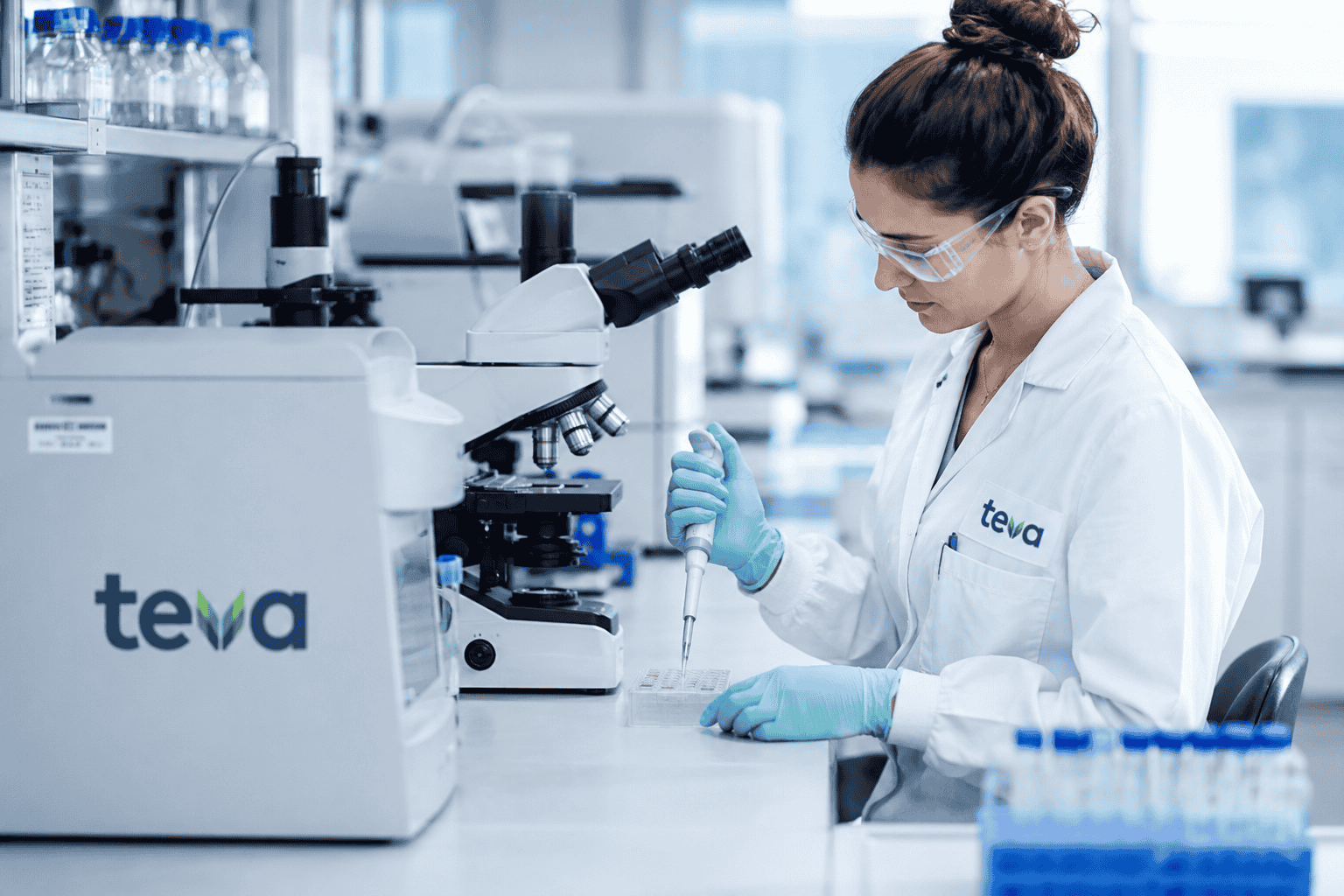
Apotex Health Corp. successfully raised approximately CA$1.3 billion in its initial public offering, signaling robust investor appetite for pharmaceutical equities. Simultaneously, Teva Pharmaceutical Industries Ltd. is strengthening its position in the neuroscience market through the US$700 million acquisition of Emalex Biosciences and positive clinical updates for its Huntington’s disease franchise. These developments underscore a strategic industry focus on high-growth therapeutic areas like neurodegenerative and central nervous system disorders.
Teva Pharmaceutical Industries reported significant clinical and financial progress, headlined by new real-world data for AUSTEDO and AUSTEDO XR. In a decentralized study of Huntington's disease chorea, 74% of patients saw movement improvements, while over 85% reported better quality of life regarding daily activities and social goals. Financially, Teva's Q1 2026 revenue reached US$4.0 billion, driven by a 41% year-over-year surge in AUSTEDO sales to US$578 million, alongside significant growth in UZEDY and AJOVY revenues.
To further bolster its late-stage pipeline, Teva closed its acquisition of Emalex Biosciences, paying US$700 million upfront with potential milestones of US$200 million plus royalties. This deal brings ecopipam, a first-in-class dopamine D1 receptor antagonist for pediatric Tourette syndrome, into Teva's portfolio. The asset has already received FDA Orphan Drug and Fast Track designations, with a New Drug Application submission planned for the second half of 2026. CEO Richard Francis noted the move aligns with the company's Pivot to Growth strategy to address unmet needs in the neuroscience space.
These strategic moves occur within a rapidly expanding neuroscience market, which is projected to grow from US$50.16 billion in 2025 to US$82.58 billion by 2034. Growth is being fueled by the rising prevalence of neurological disorders and increased investment in neurotechnology and personalized therapies, particularly in the United States. While the sector sees innovation in drug development, pharmaceutical manufacturing continues to face hurdles in adopting artificial intelligence, which remains largely in the pilot phase due to the complexity of regulated environments and legacy infrastructure.
Summary generated by RabbitReport AI from public reporting. The full article and original reporting belong to Streetwise Reports.