IEA chief urges EU to revisit Arctic oil and gas drilling ban
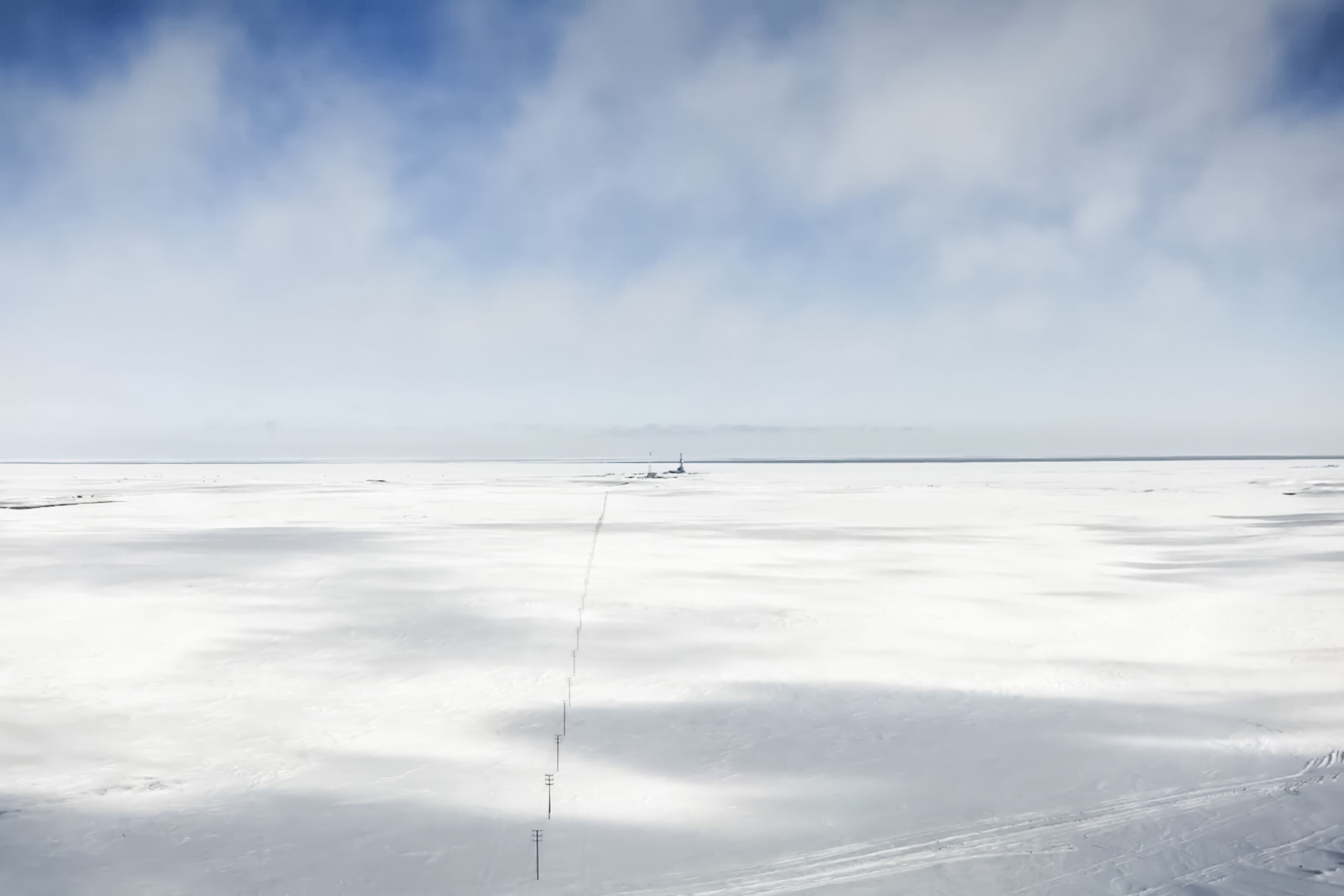
International Energy Agency Executive Director Fatih Birol has called on the European Union to reconsider its moratorium on Arctic oil and gas drilling to bolster regional energy security. The push comes as Norway, a key non-EU energy supplier, seeks to overturn the 2021 ban amid heightened geopolitical tensions following conflict in Iran. This potential policy shift highlights a growing tension between immediate energy independence needs and long-term environmental commitments within the European energy landscape.
During a meeting in Brussels with Norwegian Finance Minister Jens Stoltenberg, IEA Executive Director Fatih Birol explicitly urged the European Commission to review its stance on Arctic exploration. Birol emphasized that the issue is extremely important for European energy security, asserting that the global market currently requires every drop of oil from Norway. This recommendation directly challenges the EU's 2021 moratorium, which was originally established to restrict new fossil fuel development in the sensitive Arctic region to align with climate goals.
Norway, though not an EU member, is actively lobbying the bloc to remove the drilling restrictions as part of a policy update scheduled for later in 2026. The urgency for this policy shift is being driven by the fallout from the war in Iran, which has intensified the argument for European energy independence and stable supply chains. Norwegian Finance Minister Stoltenberg supported Birol’s comments, stating that while environmental concerns must be taken into account, a blanket refusal to explore for oil and gas in the Arctic does not make sense for Norway's economic and strategic interests.
The proposal faces significant pushback from environmental advocates and the financial sector, with six institutional investors recently urging the EU to maintain the ban. These investors argue that member states must remain committed to the green transition rather than expanding fossil fuel infrastructure in fragile ecosystems. Critics also point out that loosening Arctic drilling rules may not provide short-term relief for energy prices due to the long lead times of offshore projects. However, with tanker traffic slowing in the Strait of Hormuz and OPEC+ adjusting output targets, the debate over Arctic resources has become a critical focal point for the future of the Oil & Gas sector in Europe.
Summary generated by RabbitReport AI from public reporting. The full article and original reporting belong to Oil & Gas 360.