How the Iran War Is Disrupting Global Oil and Gas Supply
The escalation of military conflict involving Iran, Israel, and the United States has triggered what the International Energy Agency describes as the largest supply disruption in the history of the global oil market. Tanker traffic through the critical Strait of Hormuz chokepoint has plunged to a near halt, obstructing approximately 25% of global seaborne oil trade and 20% of liquefied natural gas supply. This regional instability has forced major producers to curb output as storage fills, while energy prices for both crude and refined products have surged worldwide.
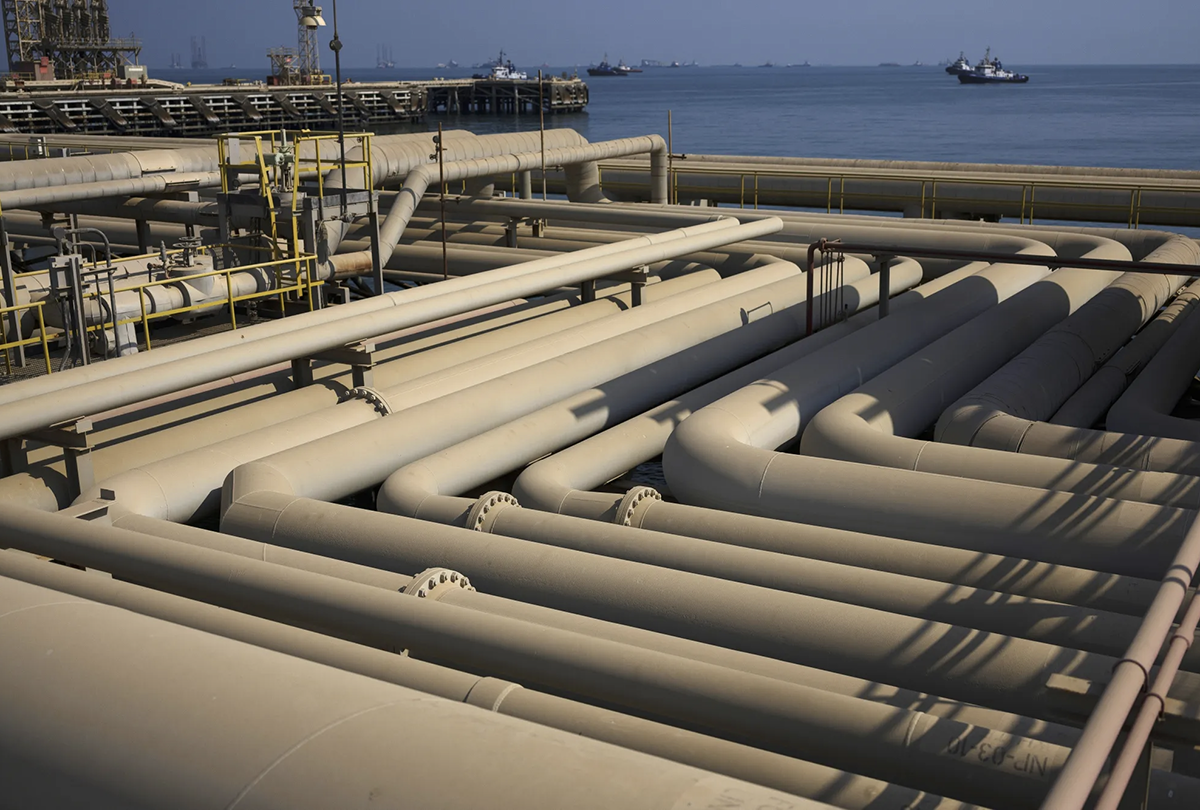
The conflict has severely compromised energy infrastructure across the Persian Gulf, leading to precautionary production closures and a near-total cessation of traffic through the Strait of Hormuz. While Saudi Arabia has attempted to mitigate the impact by rerouting crude through its East-West pipeline to the Red Sea port of Yanbu, this alternative remains vulnerable to threats from Iran-backed Houthi militants. Similarly, the United Arab Emirates has faced drone attacks at its Fujairah workaround port, which connects oil fields to the Gulf of Oman. Consequently, regional producers are being forced to reduce output as onshore and floating storage capacities reach their limits, further tightening global availability.
In response to the crisis, International Energy Agency members have authorized the release of over 400 million barrels of crude and petroleum products from emergency reserves, a volume more than double the 2022 release following Russia's invasion of Ukraine. Despite this, supply remains strained as most shipowners refuse to navigate the region for fear of losing crews and cargo. U.S. Energy Secretary Chris Wright indicated that naval escorts for tankers may not be ready until the end of March, while President Trump has called on European and Asian nations to share the burden of maritime security. Amid the shortage, Asian buyers have pivoted toward U.S. and Russian crude, with the Trump administration temporarily easing sanctions on Russian cargoes already at sea to stabilize the market.
The natural gas market is facing its most significant shock in years following an Iranian drone attack on Qatar’s Ras Laffan plant, which accounts for roughly one-fifth of global LNG supply. European gas futures nearly doubled as the region faces increased competition from Asian buyers for non-Middle Eastern cargoes, complicating efforts to replenish low inventories before next winter. Beyond direct energy costs, the disruption has halted fertilizer production in the Gulf, threatening to increase global food costs. While U.S. LNG producers stand to gain from the shift in demand, existing export terminals are already operating near full capacity, limiting their ability to immediately bridge the massive supply gap left by the Qatari outage.
Summary generated by RabbitReport AI from public reporting. The full article and original reporting belong to EnergyNow.com.