Hormuz’s next chapter is about gas, not just oil
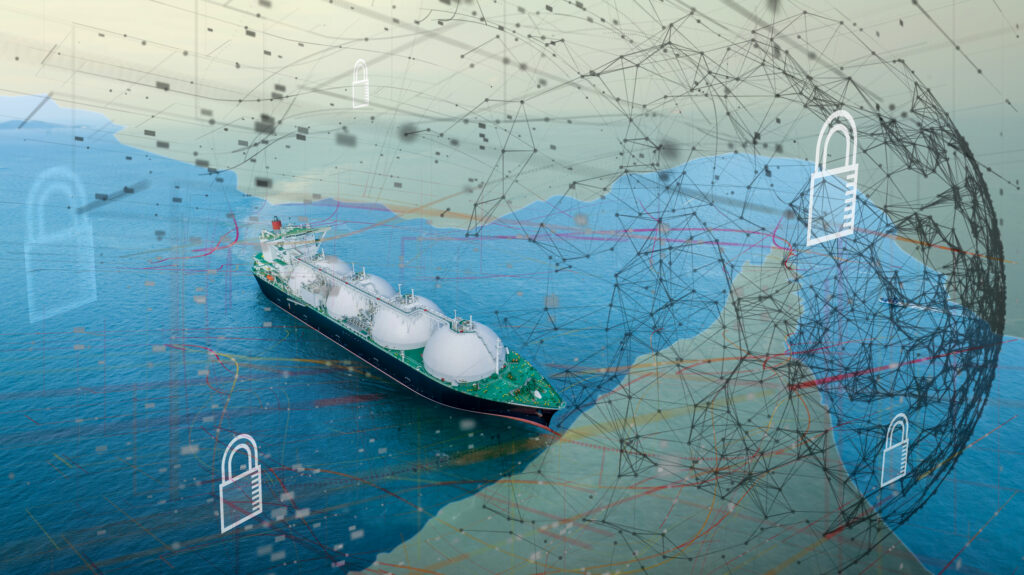
The reopening of the Strait of Hormuz following a period of conflict has led to a retreat in crude oil prices and a resumption of tanker traffic through the world's most critical energy corridor. While physical flows of oil and liquefied natural gas (LNG) are improving, the disruption has highlighted the strait's vital role in the global gas market, where one-fifth of all traded LNG originates. This shift in focus underscores a lasting risk premium and a strategic move by global utilities to prioritize energy security and supply diversification.
Although the physical movement of energy commodities has resumed, the market remains wary as the risk premium established during months of disruption persists. The Strait of Hormuz serves as the primary exit point for Qatar, the world’s second-largest LNG exporter, as well as the United Arab Emirates and other regional producers of crude oil, condensates, and refined products. Unlike the more flexible global oil market, LNG trade is constrained by long-term contracts and specialized infrastructure, meaning even minor shipping delays can cause significant ripples across global supply chains and force utilities into aggressive competition for replacement cargoes.
During the recent conflict involving Iran, the market saw Asian spot LNG prices widen significantly relative to Henry Hub natural gas, while European benchmarks strengthened as importers rushed to secure supplies for winter storage. The disruption led to a surge in freight costs and insurance premiums, making flexible cargoes and storage options more valuable commodities in their own right. Traders and industrial consumers are now adjusting to a reality where a massive portion of the world's gas supply is concentrated in a single, vulnerable waterway, leading to a fundamental repricing of geopolitical risk.
In response to these vulnerabilities, global buyers are increasingly diversifying their portfolios by sourcing more natural gas from the United States, Australia, and Africa to mitigate dependence on Middle Eastern supply. This trend significantly bolsters the strategic value of U.S. LNG exports, which offer a geographical alternative to the Hormuz chokepoint. Consequently, developers of new export terminals and midstream infrastructure are now integrating geopolitical resilience as a core investment metric alongside traditional factors like cost and efficiency, especially as demand grows from industrial electrification and artificial intelligence.
Summary generated by RabbitReport AI from public reporting. The full article and original reporting belong to Oil & Gas 360.