ExxonMobil passes the baton for Australian oil & gas asset to Woodside
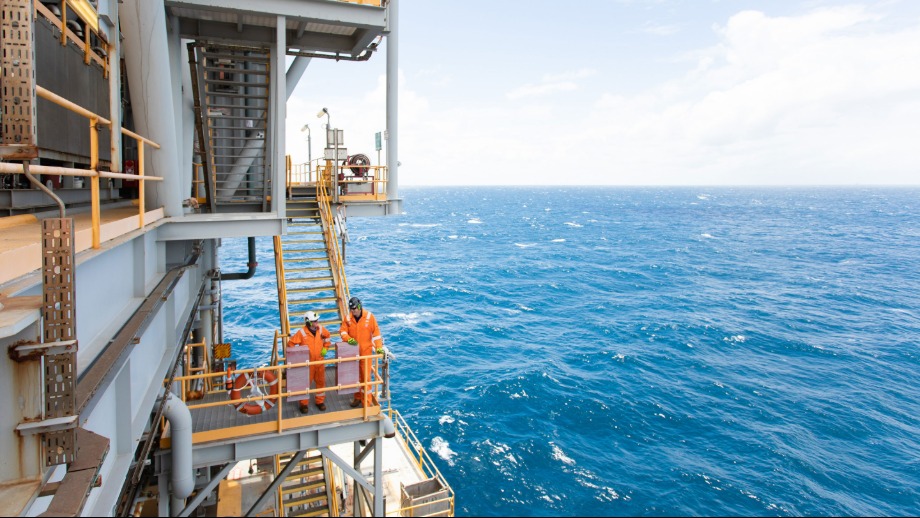
Woodside Energy has officially assumed the role of operator for the Gippsland Basin assets off the coast of Victoria, Australia, following a transfer agreement with ExxonMobil’s subsidiary, Esso Australia Resources. This transition, effective June 1, 2026, marks a significant shift in the management of one of Australia’s most mature and critical offshore energy provinces. The move is strategically important for the Australian oil and gas sector as it consolidates regional operations under a domestic major while focusing on both decommissioning legacy infrastructure and securing future gas supplies for the country's eastern states.
The transfer of operatorship involves the Gippsland Basin Joint Venture (GBJV) and the Kipper Unit Joint Venture (KUJV), representing a historic homecoming for Woodside Energy, which was founded in the Gippsland region in 1954. While ownership interests remain unchanged—with Woodside and Esso Australia Resources each holding 50% of the GBJV, and Mitsui joining the duo in the KUJV—Woodside now manages the extensive infrastructure. This includes six operating offshore platforms, two onshore processing facilities, a heliport, and a marine terminal, supported by a workforce of approximately 1,200 employees and contractors.
The scale of the Bass Strait assets is immense, comprising 421 wells, 19 platforms, and six subsea facilities connected by over 800 kilometers of subsea pipelines to onshore processing plants at Longford and Long Island Point. Woodside CEO Liz Westcott highlighted the strategic value of these assets, noting that they provide essential energy to power homes and industries across Australia’s eastern states. The transition comes at a critical time as the industry balances the management of aging infrastructure with the need for immediate production to meet regional energy demands.
Looking ahead, Woodside plans to invest in several growth projects within the basin to bolster gas delivery, including the Kipper 1B project, which is slated to provide additional supply ahead of the 2026 winter season. The company is also advancing funding decisions for the Turrum field and assessing four potential gas field developments. If sanctioned, these new projects could deliver up to 200 petajoules of gas to the east coast market—an amount equivalent to two years of residential energy consumption for the city of Melbourne—while simultaneously managing a major decommissioning program for the region's legacy wells and platforms.
Summary generated by RabbitReport AI from public reporting. The full article and original reporting belong to Offshore-Energy.biz.